
If you have spent any time in Unley, Norwood, Prospect, Goodwood, or Fitzroy, you know the type of kitchen we’re talking about. High ceilings. Pressed metal details. A laundry that was tacked on sometime in the 1970s to a house that was built in the 1890s. A kitchen that got modernised once, maybe twice. But you can still see the original stone or brick bones through whatever got plastered over them.
These are some of the most characterful homes in South Australia. They are also, from an appliance servicing perspective, some of the most interesting to work in. Not because they are difficult exactly. But because the combination of old bones and modern equipment creates situations that do not come up in a ten-year-old double-brick suburban house.
We at National Appliance Repairs service appliances right across Adelaide, and our technicians are well-acquainted with the inner suburbs. Here is a practical guide to what owners and renters in older Adelaide homes should know about keeping appliances running well.
The Housing Stock: What You’re Working With
Adelaide’s inner suburbs have some of the densest collections of pre-Federation and Federation-era housing in the whole country. Here is what you tend to find:
- Stone cottages and villas: Built from the 1840s through to the 1890s. Bluestone or limestone rubble walls. You see them everywhere in Norwood, Fitzroy, Unley, Hyde Park, and parts of Prospect: Small footprints. Low ceilings in the original sections. Usually got a later addition tacked on the back. Laundries were either outbuildings or enclosed lean-tos. Good luck fitting a modern washing machine in some of them.
- Victorian and Federation homes: Roughly 1890s to 1915. Larger. Often double-fronted. More decorative detailing—bullnose verandahs, return verandahs, decorative iron lace. The kitchen and laundry areas were usually added in later decades. Often replacing whatever was at the back originally. That is where things get interesting.
- Edwardian and Bungalow styles: 1910s to 1930s. More common in Prospect, Kensington Park, Fullarton, and Goodwood. Wider blocks than the earlier terraces. More of the original rear areas survive intact. But they have still been through decades of additions and modifications.
The thing about these homes is that they typically have undergone several renovations. The result is rarely a nice, coherent upgrade. It is a layering of different decades’ solutions. Each layer solved a problem for the people at the time. And each layer created constraints for whoever came next. That next person is often us, trying to figure out where to put a new dishwasher.
The Kitchen: Space and Power Constraints
Limited bench space and awkward appliance niches
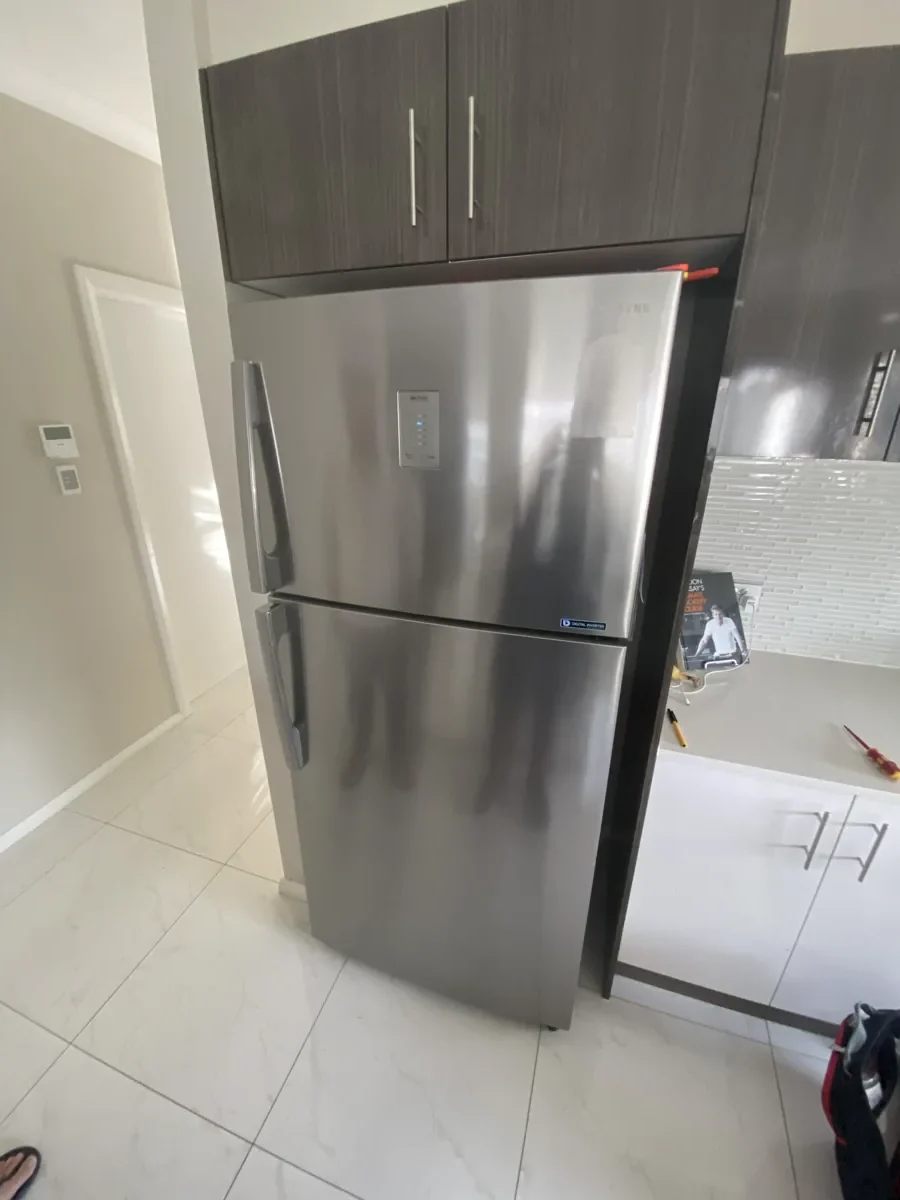
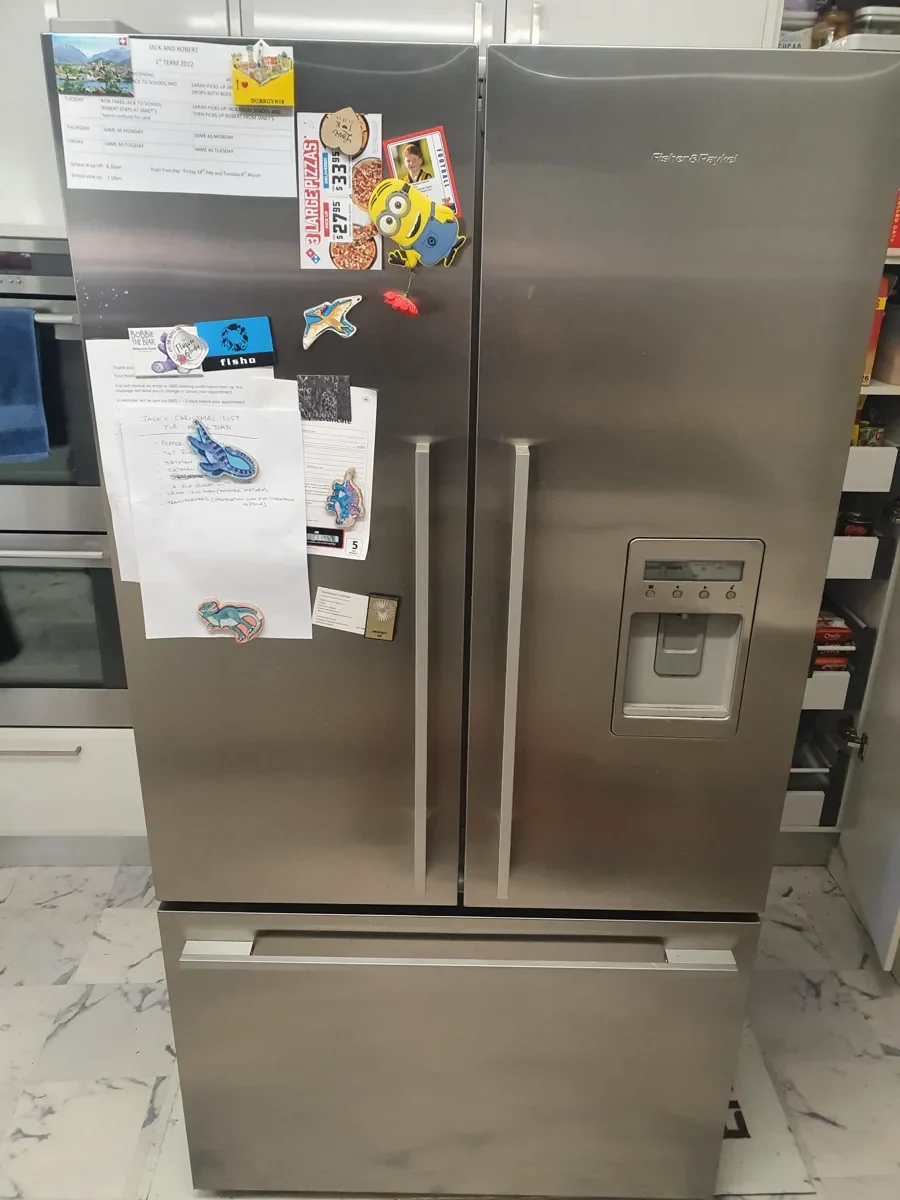
Inner suburb Adelaide kitchens were not designed for 90cm freestanding ovens or large double-door fridges. Original kitchen footprints in stone cottages can be remarkably small — 3 to 4 square metres before any appliances are placed.
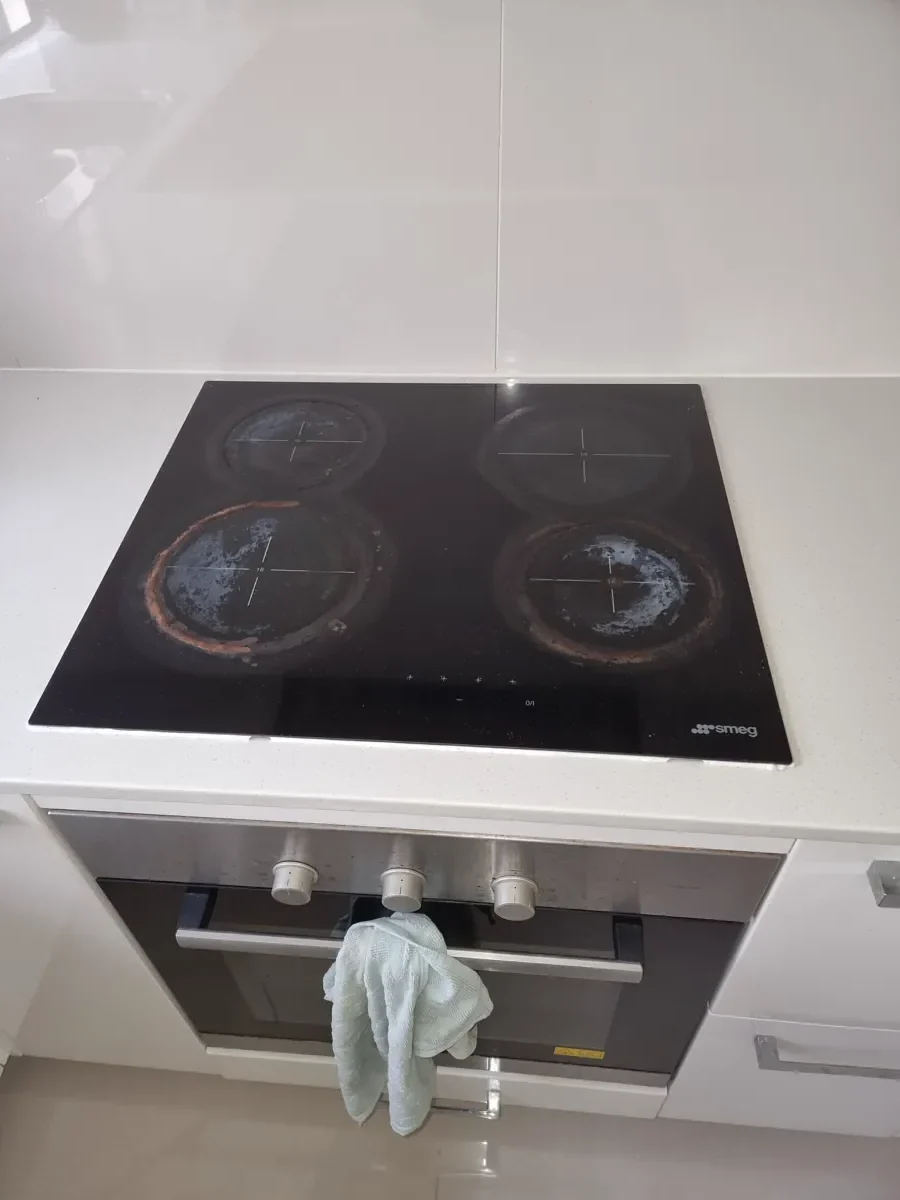
When an oven or cooktop is replaced in these homes, the new appliance often needs to match the existing cavity dimensions very closely. A 60cm oven is the standard, but the surrounding joinery or stone walls may limit depth, and there’s rarely room to widen the opening without a significant renovation.
Before replacing any built-in appliance in an older Adelaide kitchen, measure the cavity depth, width, and height precisely — and include the connections. In stone-walled homes, the wall behind the oven cavity is often original stone: you can’t easily shift it, and ovens that run deeper than the existing space won’t fit.
Electrical circuits
Older Adelaide homes were often extended piece by piece, with each renovation tacking on new circuits that worked at the time. Very few homeowners would think about the overall switchboard capacity. Take an inner suburb stone cottage that got a kitchen in the 1980s. There might be one circuit running the oven, the rangehood, and every power point on that wall.
Since a modern oven draws more current than an old one, the underpowered circuit would trip over and over. A nuisance aside, it would put undue stress on your oven. You need a licensed electrician to upgrade the breaker or add a dedicated circuit.
Under the Electrical Safety Act 1998 (SA), all prescribed electrical work in South Australia must be performed by a licensed electrician, and a Certificate of Compliance is required for any new circuit installation.
The Laundry: Adelaide’s Rear-Addition Problem
The laundry in most older Adelaide inner-suburb homes was retrofitted. The original house had no indoor laundry — washing was done in a copper out the back. When indoor laundries became standard, they were typically added as lean-tos or incorporated into rear renovations, with the space available determining the result.
In practice this means:
- Narrow, awkward spaces where standard appliance widths barely fit
- Plumbing connections in unexpected locations, often not centred on the available wall space
- Low ceiling heights in lean-to additions that preclude stacking a dryer on top of the washing machine
- Concrete or unlevel tile floors in older lean-to additions that make washing machine levelling difficult
- Drainage at floor level rather than through the wall, which affects which machines connect cleanly
When a washing machine or dryer in one of these spaces needs replacing, measure not just the machine dimensions but the doorway into the laundry — standard 60cm washing machines have come through 620mm openings, but that’s cutting it close, particularly if the door frame has been through repairs and is no longer perfectly square.
Hard Water and Appliance Longevity in Adelaide
Any appliance that uses water in Adelaide’s inner suburbs is fighting the same hard water problem as the rest of the metro area — and in some cases worse, because the older the pipes, the more accumulated scale can be introduced into the water supply within the home itself.
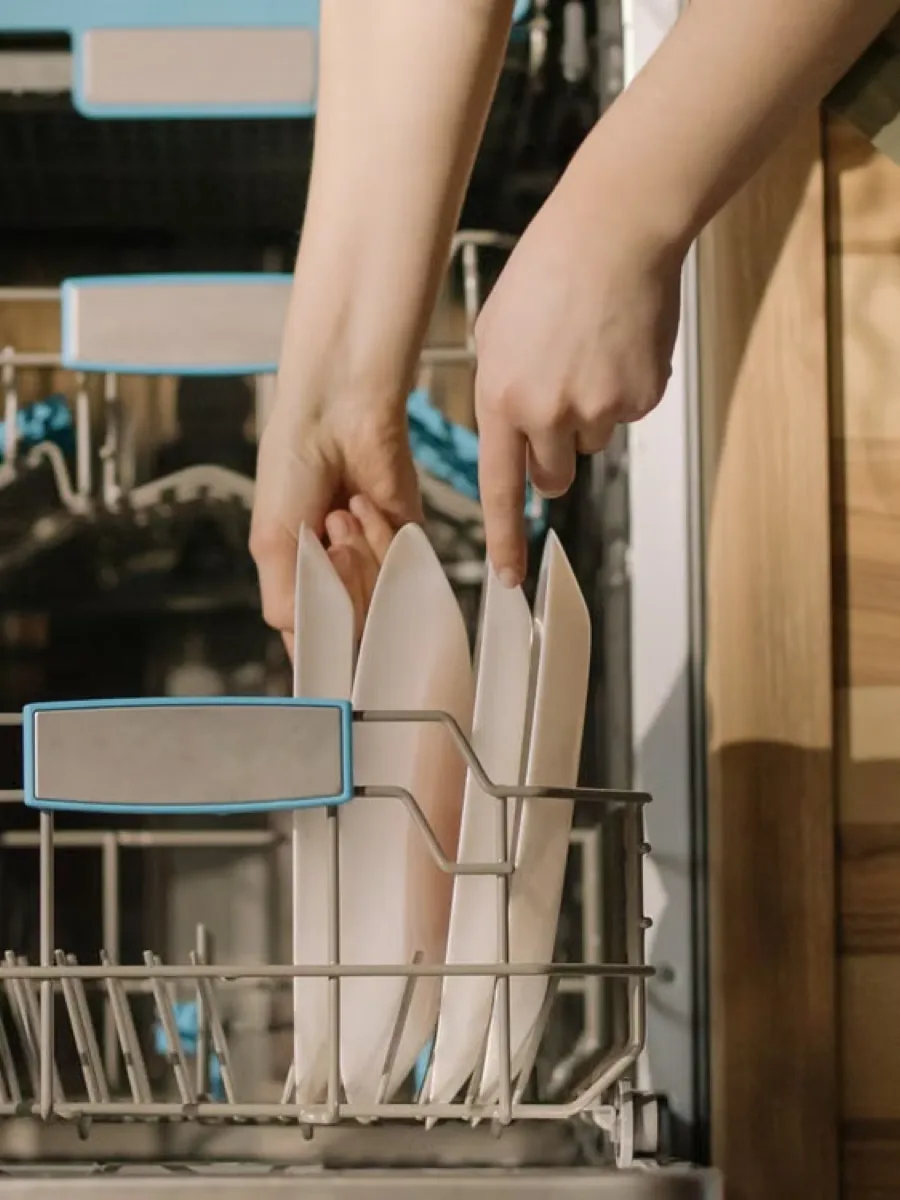
For dishwashers, simply keep the salt reservoir filled, set the hardness level correctly, and descale every three to four months.
For washing machines, Adelaide’s mineral-rich water contributes to faster-than-average limescale build-up in the drum, the pump, and the internal hoses. Running a hot descale cycle every two to three months slows this considerably. In homes with particularly hard water, a plumber-installed inline filter can reduce the mineral load reaching the machine.
Access for Appliance Technicians in Older Homes
Most inner suburb Adelaide homes don’t have the access complications of a multi-storey apartment tower, but they can have their own quirks:
- Narrow side passages between homes are common in terrace-style properties and older cottages on small blocks. A technician bringing replacement parts or removing a large appliance may need to negotiate a 700mm passage.
- Original stone or brick steps at rear entries can complicate appliance movement. A slight lip that’s charming architecturally becomes a real problem when you’re trying to wheel out a top-loader on a trolley.
- Laundries accessible only through the kitchen require clearing a clear path through what is often the most cluttered room in these older homes.
None of these are significant obstacles — they’re just worth knowing about. When you call to book a repair, mentioning that access requires navigating a narrow side passage or that the laundry is only accessible through the kitchen lets the technician plan appropriately and bring the right equipment.
Common Faults We See in Older Adelaide Homes
| Fault | Typical Cause in Older Homes |
|---|---|
| Oven tripping the circuit | Older circuit undersized for current oven draw |
| Washing machine vibration on timber floor | Uneven floorboards; flex under spin load |
| Dishwasher not cleaning well | Hard water scale in spray arms; salt reservoir empty |
| Fridge running warm in summer | Condenser coils against a stone wall with no airflow |
| Washing machine slow to drain | Limescale-narrowed hoses; blocked filter |
| Dryer not drying efficiently | Low ceiling preventing heat exhaust; vent blocked |
FAQ
My oven keeps tripping the circuit breaker in my old Adelaide cottage — is it the oven or the wiring?
Both are possible. A single trip on first use of a new oven often indicates an older circuit that isn’t sized for the new appliance’s draw. An electrician can assess the circuit. Repeated tripping with an established oven suggests either a fault in the oven (a shorted element is common) or a deteriorating circuit connection — again, the electrician should look first, then the appliance technician if the circuit checks out.
Can a standard washing machine be installed in a lean-to laundry with a concrete floor?
Yes, though concrete can be uneven in older lean-tos, and proper levelling of the machine’s feet is particularly important on a hard floor — unlevel machines vibrate excessively and develop drum bearing problems faster. Adjustable anti-vibration feet or a rubber mat under the machine also help.
Do older Adelaide homes have specific compliance requirements for new appliance installations?
New circuit work requires a licensed electrician and a Certificate of Compliance under SA legislation regardless of the age of the home. For gas appliances, work must be done by a licensed gasfitter under the Gas Act 1997 (SA). The age of the home doesn’t change these requirements.
My stone cottage has very thick walls — does this affect appliance installation or venting?
It can affect dryer venting in particular. Running a vent duct through a 400mm stone wall is possible but requires core drilling and appropriate flashing. For homes where external venting is difficult, a condenser or heat pump dryer (which doesn’t require an external vent) is often a more practical choice.
I’ve bought a character home in Prospect/Norwood/Unley and want to upgrade the kitchen appliances. Where do I start?
Start with measurements — actual cavity dimensions, not the previous appliance’s stated dimensions. Measure depth as well as width and height, and check what’s behind the existing appliances (stone, brick, or timber frame determines what modification is possible). Have an electrician assess the kitchen circuits before buying a new oven, especially if you’re upgrading from a smaller model to a 90cm unit. Then call us to discuss options.
Conclusion
Adelaide’s older inner suburbs are full of homes that reward thoughtful ownership. The appliances in them need the same care — matched to the specific constraints of the space, maintained for hard water conditions, and serviced by technicians who know what to expect.
We at National Appliance Repairs service all major appliance brands across Adelaide’s inner suburbs and beyond. If you’re dealing with a fault in a Norwood cottage, a Prospect bungalow, or a Unley villa, call 1300 434 380 and we’ll work around whatever the home presents.