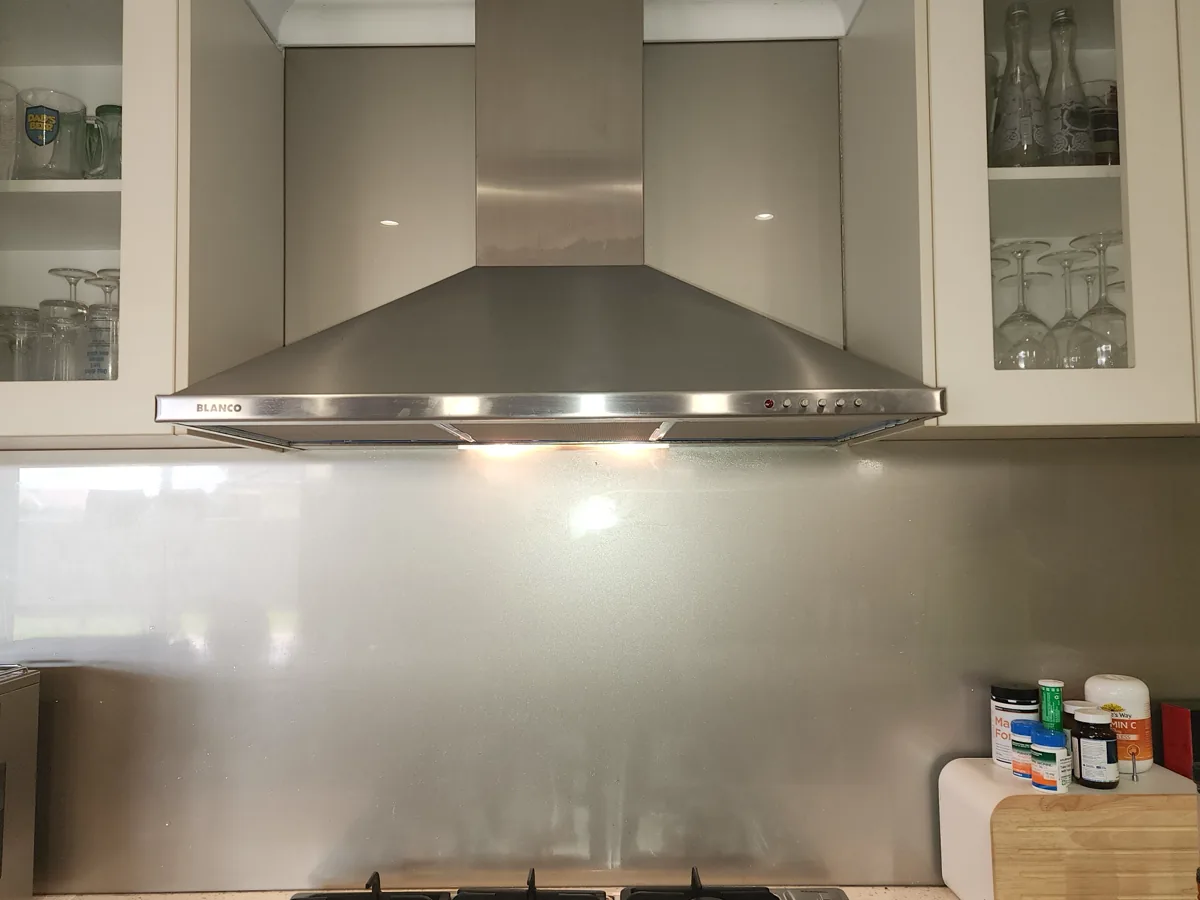

The fan’s running, the light’s on, everything looks normal, and smoke is still hanging around the kitchen well after you’ve finished cooking. If you’ve already cleaned the filter and you’re still getting this, the problem has moved past routine maintenance and into something mechanical: the fan, the motor, or the ductwork behind it.
Here’s how National Appliance Repairs suggests working out which one, and what’s realistic to fix yourself versus what needs a technician.
Rule Out the Filter First
If you haven’t already, this is still the fastest thing to check. A saturated grease filter can cut airflow by a huge margin, and it’s the single most common reason a rangehood stops clearing the air properly. Our guide on cleaning your rangehood filters covers that in detail. If the filter’s already clean and the problem persists, keep reading.
The Paper Test
A simple way to check whether the motor’s actually creating suction: turn the rangehood to its highest setting, and hold a piece of paper flat against the filter. If the motor’s working, the paper should stick on its own. If it falls straight away, the motor either isn’t generating suction at all, or something’s blocking the airflow further along the system. This one test tells you almost immediately whether you’re dealing with a motor problem or an airflow problem, which changes where you look next.
If the Motor Has No Suction at All
Start with power. Check the rangehood is properly plugged in, and check the circuit breaker hasn’t tripped. Plug something else into the same outlet to confirm it’s actually live.
If power’s confirmed and the motor still isn’t spinning, or it’s spinning but weak, a failing capacitor is a common cause. The capacitor gives the motor the initial push it needs to start turning at speed, and when it degrades, the motor can hum without actually turning, or spin up slowly and never reach full power. This isn’t something to test or replace yourself, since it involves live electrical components inside a sealed housing.
If the Motor Spins but Airflow Is Still Weak
This points away from the motor and toward the path the air has to travel. A few things to check:
Ductwork blockages or damage
Grease and debris build up inside ducting over years of use, the same way it builds up on a filter, just somewhere you can’t see it. A flashlight down the duct opening, once the filter’s out, will often show visible buildup or an obvious kink.
Duct length and bends
Every 90-degree bend in a duct run adds resistance, and a long run with several bends can genuinely overwhelm a motor that was never designed to push air that far. This is more of an installation issue than a fault, but it’s worth knowing if you’ve recently renovated or the ducting was changed.
A blocked or stuck damper
Many ducted rangehoods have a damper flap at the exit point that’s meant to open when the fan runs. If it’s stuck shut, the fan is pushing air against a closed door, which both kills performance and puts unnecessary strain on the motor.
Make-up air
In a well-sealed kitchen, the rangehood needs somewhere for replacement air to come from. Without it, the fan can struggle against negative pressure in the room, which shows up as reduced performance even though nothing’s actually broken.
Noise Is Often the Earliest Warning Sign
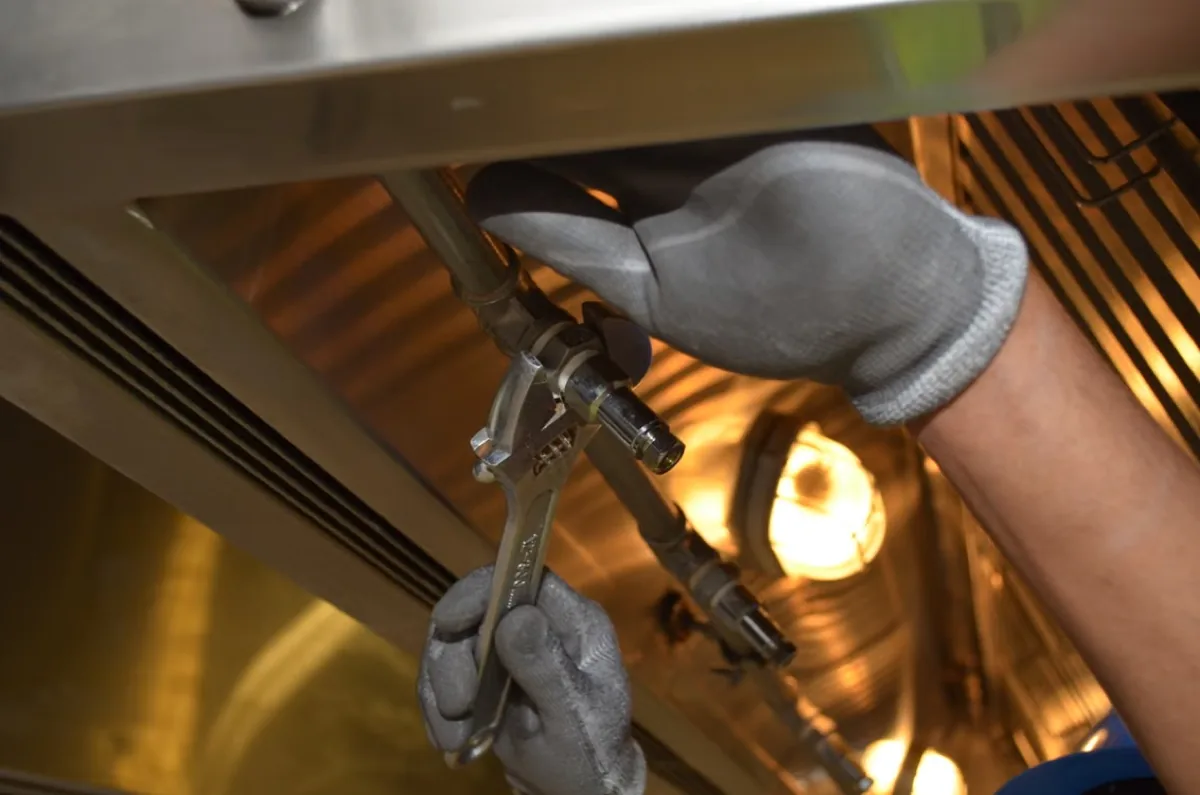
Rattling, buzzing, or grinding noises usually show up before a motor fails completely, and they’re worth paying attention to rather than living with. Loose screws or a fan blade that’s come slightly out of balance are common, low-cost causes. A grinding or screeching noise more often points to worn motor bearings, which will eventually lead to full motor failure if left alone.
Quick Reference Table
| Symptom | Likely Cause | DIY or Technician? |
|---|---|---|
| Paper falls immediately in the paper test | Motor not generating suction | Technician |
| Motor hums but doesn’t spin, or spins slowly | Failing capacitor | Technician |
| Motor spins fine, airflow still weak | Duct blockage, stuck damper, or make-up air issue | Check yourself first, technician if not resolved |
| Rattling or buzzing | Loose screws or unbalanced fan blade | Often DIY |
| Grinding or screeching | Worn motor bearings | Technician |
| Smoke drifts past the hood even at full power | Hood undersized for the cooktop, or severe duct resistance | Technician assessment |
What You Can Check Yourself
- Run the paper test to confirm whether the motor is actually generating suction
- Check the ductwork with a flashlight for visible blockages once the filter’s removed
- Check the damper flap opens freely when the fan runs
- Tighten any visibly loose screws or panels if you’re hearing rattling rather than grinding
- Confirm the rangehood is on its own circuit or at least not sharing one with something that trips the breaker regularly
Why Motor and Fan Repairs Need a Professional
A rangehood sits directly above a heat source, and its motor and electrical components are the parts most likely to be affected by years of grease and heat exposure. Testing a capacitor, replacing a motor, or working inside the housing involves live electrical components in a location where getting it wrong has real consequences. This isn’t a filter clean, and treating it like one is how minor electrical faults turn into bigger, more expensive problems.
National Appliance Repairs technicians handle rangehood repairs across all major brands, including motor replacements, capacitor faults, and wiring issues. Most jobs are diagnosed and fixed in a single visit, backed by a 12-month parts warranty and 3-month labour warranty.
Frequently Asked Questions
How do I know if it’s the motor or the filter causing weak suction?
Clean the filter first, since it’s the more common and easier cause to rule out. If the problem persists with a genuinely clean filter, run the paper test: hold paper against the filter at full fan speed. If it doesn’t stick, the issue is with the motor or something blocking airflow further along.
Why does my rangehood make a humming noise but the fan doesn’t spin?
This usually points to a failing capacitor, which is meant to give the motor the push it needs to start turning. A motor that hums without spinning, or spins weakly, needs a technician to confirm and replace the capacitor.
Can I clean the ductwork myself?
You can inspect it with a flashlight once the filter’s removed, but a genuine deep clean of long duct runs usually needs professional equipment to do properly, especially on rangehoods that haven’t been serviced in several years.
Why is my rangehood not clearing smoke even though the fan is running at full power?
This can mean the hood was undersized for the cooktop to begin with, or that duct resistance from a long or bent run is overwhelming the motor’s capacity. Both are worth having assessed rather than assuming a simple fix will solve it.
How much does it cost to repair a rangehood motor?
It depends on the fault. A capacitor replacement is a smaller job than a full motor replacement. Call 1300 434 380 for a free phone consultation and ballpark pricing before booking.
The Bottom Line
A clean filter solves most rangehood complaints, but if that’s already sorted and smoke or steam is still lingering, the fault has shifted to the motor, the ductwork, or the airflow path. The paper test takes ten seconds and tells you which direction to look. Still not clearing properly after that? Get in touch with National Appliance Repairs or call 1300 434 380 for a same-day assessment, subject to availability, across Melbourne, Sydney, Brisbane, Adelaide, and Perth.