
If your kitchen still smells like last night’s dinner the next morning, or the rangehood seems to be working harder than usual without actually clearing the air, the filter is almost always the first place to look. It’s also one of the easiest maintenance jobs in the kitchen to put off, mostly because it’s tucked out of sight and easy to forget about until the smoke alarm starts complaining.
Here’s how to clean it properly, how to tell which type of filter you’ve got, and when a persistent problem is actually about the rangehood itself rather than the filter.
Know Which Type of Filter You Have First
Rangehoods generally use one of two filter types, and they’re cared for very differently.
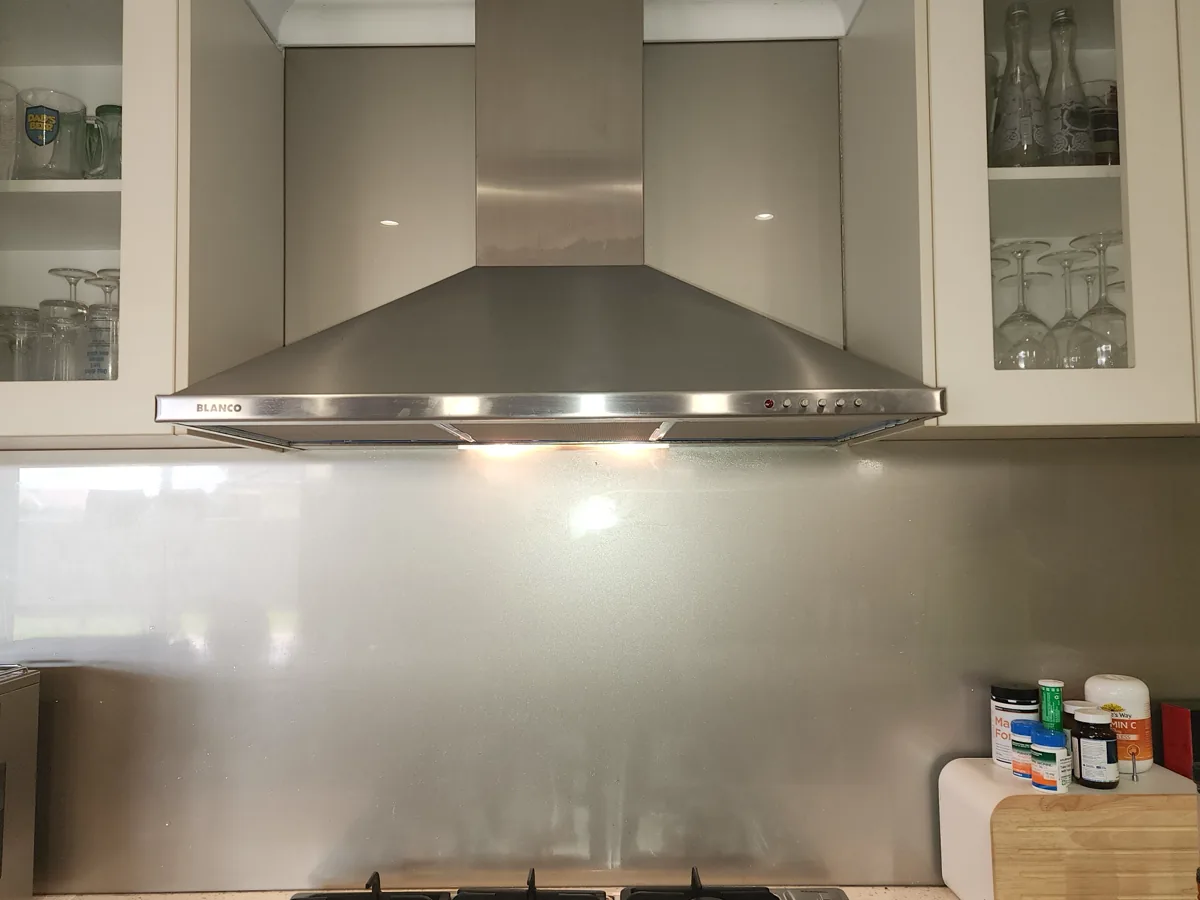
- Mesh or baffle filters, usually made from aluminium or stainless steel, are the most common in ducted rangehoods, the type that vents air straight outside. These are reusable and washable, and they’re the ones this guide focuses on.
- Charcoal filters are typically found in ductless or recirculating rangehoods, the type that filters and recirculates air back into the kitchen rather than venting it outdoors. These cannot be washed or cleaned. Once they’re saturated with grease and odour, they need to be replaced, usually every three to six months depending on how often you cook.
If you’re not sure which type you have, check your rangehood’s manual, or look for a metal loop or frame, which usually indicates a washable mesh filter rather than charcoal.
Cleaning a Mesh or Baffle Filter
Most rangehood filters slide or pop out with a tab or latch. Support the filter with your free hand as you remove it so it doesn’t drop onto the cooktop below.
Soak the filter in hot water with a few drops of degreasing dish soap for around 10 to 15 minutes. For heavier grease build-up, adding a quarter cup of baking soda to the soak helps break it down further. Use a soft brush or non-abrasive sponge to scrub the grease away, working in the direction of the grain if it’s stainless steel to avoid visible scratching. Rinse thoroughly and dry completely before reinstalling. A filter that goes back in still damp just collects grease and dust faster.
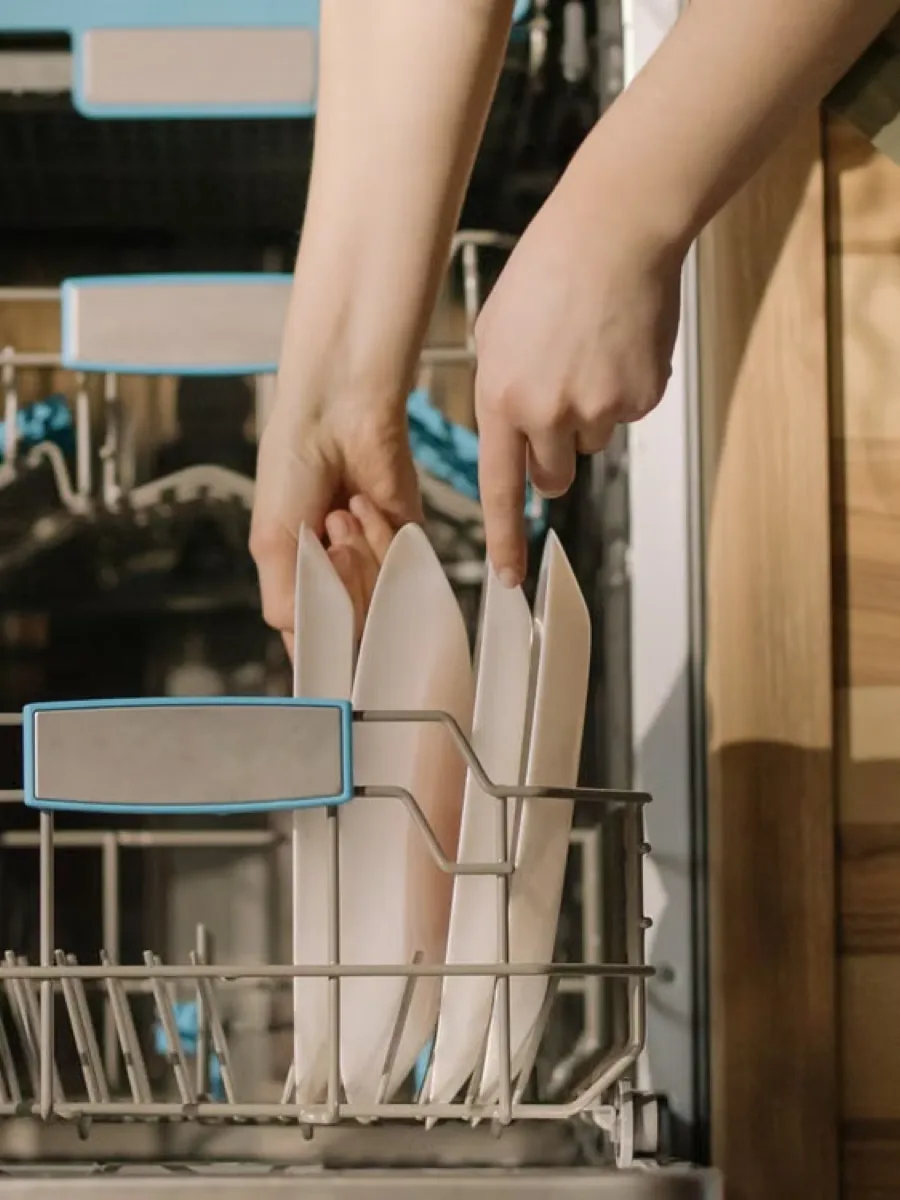
Many mesh and baffle filters are also dishwasher safe, which makes this an easy job to fold into your normal cleaning routine. Place the filter upright in the bottom rack, keeping it clear of the spray arm, and run it on a hot cycle. Some aluminium filters can discolour slightly in the dishwasher. It’s purely cosmetic and doesn’t affect how well the filter works.
How Often to Clean It
Cleaning frequency really comes down to how often you cook, and specifically how much frying, grilling, or oil-based cooking you do.
| Cooking Habits | Recommended Cleaning Frequency |
|---|---|
| Cooking most days, regular frying or grilling | Every 4 weeks |
| Cooking a few times a week | Every 6 to 8 weeks |
| Occasional cooking | Every 3 months |
| Charcoal filter, any household | Replace every 3 to 6 months, not cleaned |
Visible grease build-up, a lingering smell in the kitchen well after cooking, reduced suction, and discolouration of the mesh are all signs it’s overdue, whatever schedule you’re on.
What Else to Clean While the Filter’s Out
While the filter’s soaking, it’s a good moment to wipe down the rest of the rangehood. Grease tends to build up on the underside of the hood and around the area where the filter sits, and it’s much easier to get to with the filter out of the way. A degreasing spray or a paste of baking soda and water works well here too. Let it sit for a few minutes before wiping down, and finish with a dry microfibre cloth to avoid streaking on stainless steel.
When It’s More Than a Dirty Filter
A clean filter solves the vast majority of rangehood complaints, but not all of them. If you’ve cleaned the filter properly and you’re still noticing weak suction, unusual noise, or lights or controls that aren’t responding, the fault is likely somewhere else in the unit.
- Weak suction with a clean filter often points to a fan motor losing power, or a blocked external vent duct
- Rattling, humming, or grinding noises usually mean loose parts, a damaged fan blade, or a motor issue
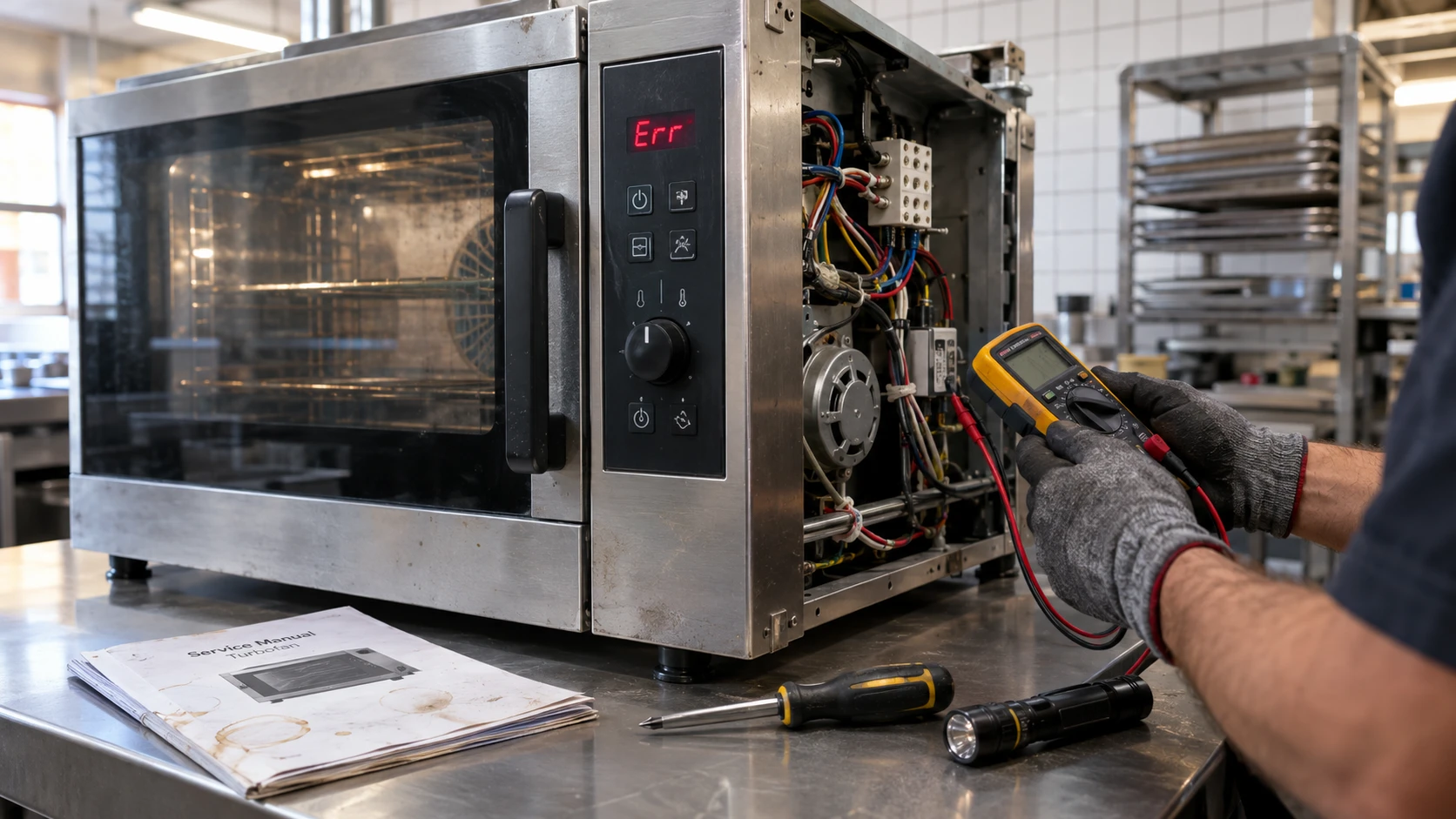
- Unresponsive buttons or a rangehood that won’t switch on at all can indicate an electrical fault or a failed control board
- A burning smell, visible smoke, or noticeable heat coming from the unit itself is not a cleaning issue and needs immediate attention
That last one especially isn’t something to wait on. A rangehood that’s overheating or showing signs of an electrical fault should be switched off at the power point until it’s been checked.
Why Some Rangehood Faults Need a Technician
A dirty filter is a five-minute fix. A failing motor, a damaged fan blade, or wiring behind the control panel is a different matter, and rangehoods sit right above a heat source, which makes getting electrical faults wrong more consequential than with most other kitchen appliances.
National Appliance Repairs technicians handle rangehood repairs across all major brands, from motor and fan issues to wiring and control board faults. Most issues are sorted in a single visit, backed by a 12-month parts warranty and 3-month labour warranty.
Frequently Asked Questions
How do I know if my rangehood filter is mesh or charcoal?
Mesh and baffle filters are metal, usually aluminium or stainless steel, and are washable. Charcoal filters are typically found in ductless rangehoods and can’t be cleaned at all. If you’re unsure, your model’s manual will confirm which type you have.
Can I put my rangehood filter in the dishwasher?
Most mesh and baffle filters are dishwasher safe. Place it upright in the bottom rack, clear of the spray arm, and run a hot cycle. Charcoal filters should never go in the dishwasher, since they can’t be cleaned or reused once saturated.
Why does my kitchen still smell after cooking even though I clean the filter regularly?
If the filter’s genuinely clean and the smell persists, check whether the rangehood is properly ducted to the outside rather than recirculating, and consider whether a charcoal filter needs replacing rather than cleaning.
My rangehood is making a rattling noise. Is that a filter problem?
Unlikely. A clean filter with continued rattling, humming, or grinding points to something mechanical, like a loose part or a fan blade issue, rather than anything cleaning will fix.
How much does it cost to repair a rangehood?
It depends on the fault. A motor or fan blade replacement is more involved than an electrical or control board fix. Call 1300 434 380 for a free phone consultation and ballpark pricing.
The Bottom Line
A clean filter fixes most rangehood complaints, and it’s a job worth doing on a proper schedule rather than waiting until the kitchen starts smelling smoky.
If you’ve cleaned it thoroughly and something still isn’t right, whether that’s weak suction, strange noises, or unresponsive controls, contact National Appliance Repairs or call 1300 434 380 for a same-day assessment, subject to availability, across Melbourne, Sydney, Brisbane, Adelaide, and Perth.