
Rangehood Installation
Correct Height | Ducted Properly | Old Rangehood Removed
A rangehood that sits too high catches almost nothing. One that sits too low over a gas cooktop is a compliance problem and a fire risk. Between those two limits is a narrow window, and where your rangehood goes inside it decides whether it does its job.
National Appliance Repairs installs rangehoods across Melbourne, Sydney, Brisbane, Adelaide and Perth. It is part of our appliance installation service, and like everything we install, it goes in to the manufacturer’s instructions.
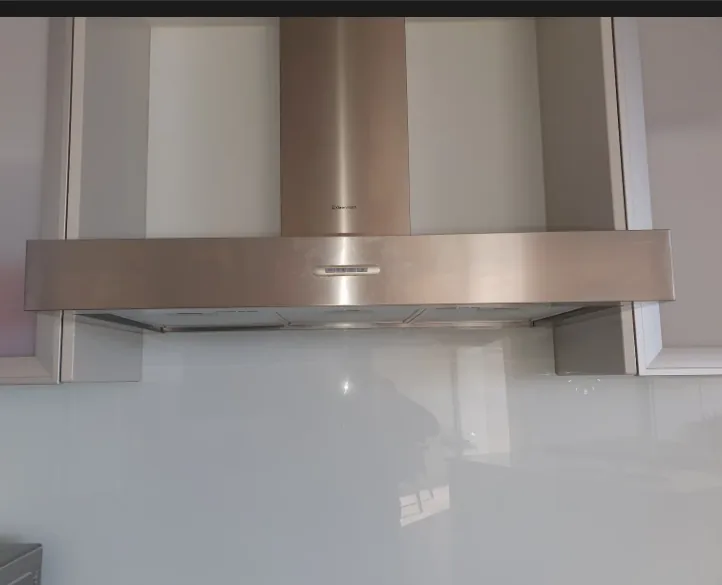

Correct Height
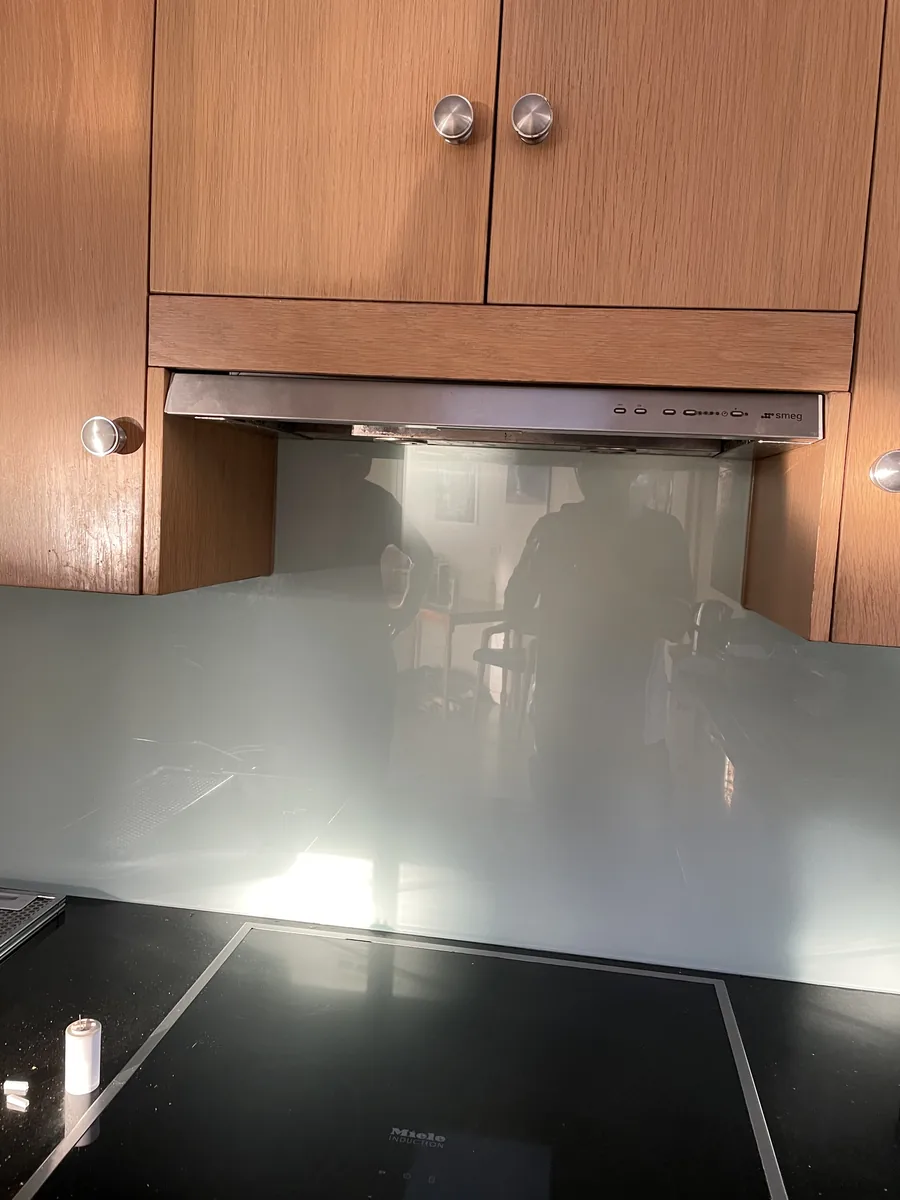
Mounted inside the compliant window for your cooktop — low enough to capture, high enough to be safe.

Ducted Properly
Ducted outside by the shortest, straightest route, or set up for recirculation where ducting is not possible.

Old Rangehood Removed
We take the old unit away when the new one goes in.
What’s Included
Every rangehood installation covers the same ground, whether it is a straight swap or a new unit going into a renovated kitchen.
What’s included:
- Checking the space, the cooktop below it, and the existing ducting and power before anything is fitted
- Mounting the rangehood at the correct height for your cooktop
- Connecting the ducting, or setting the unit up for recirculation
- Connecting to power
- Testing every fan speed and the lights
- Removing your old rangehood
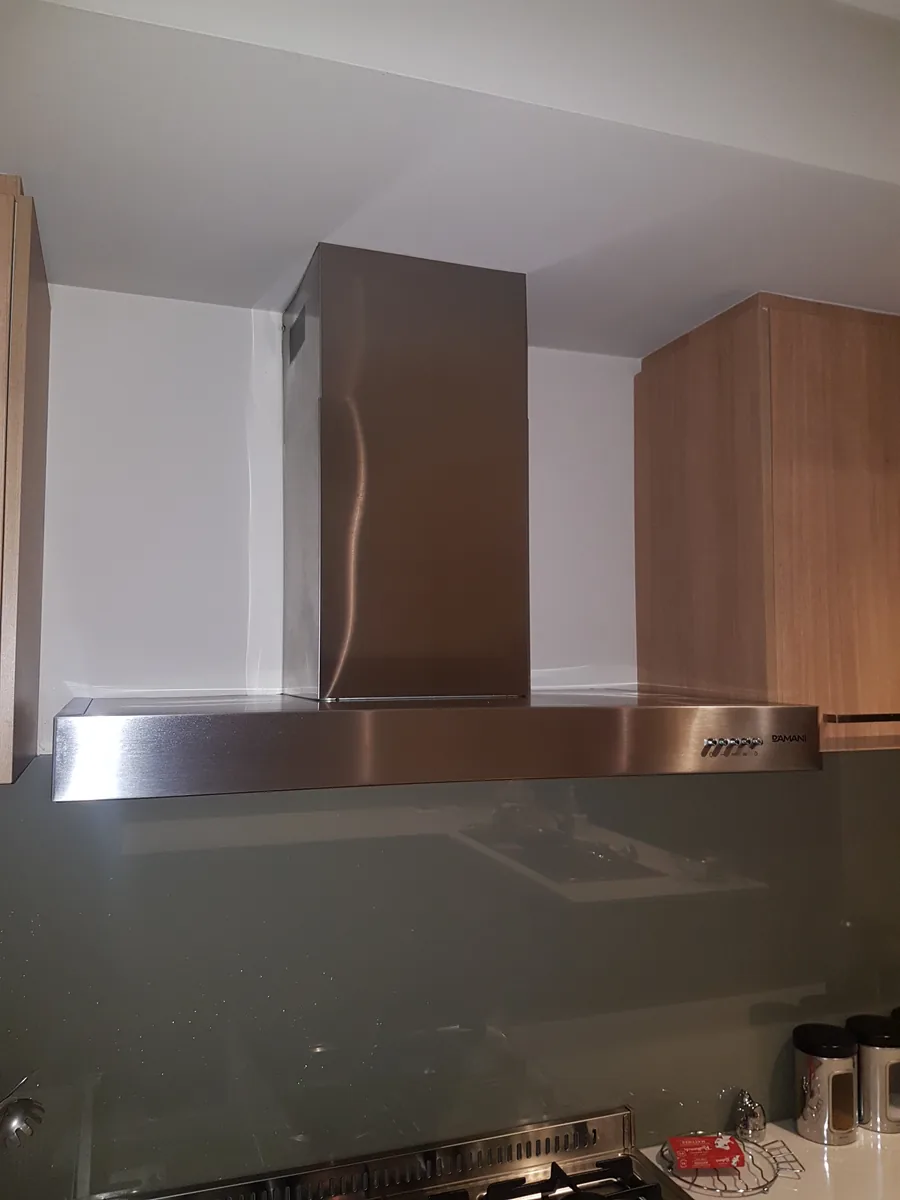
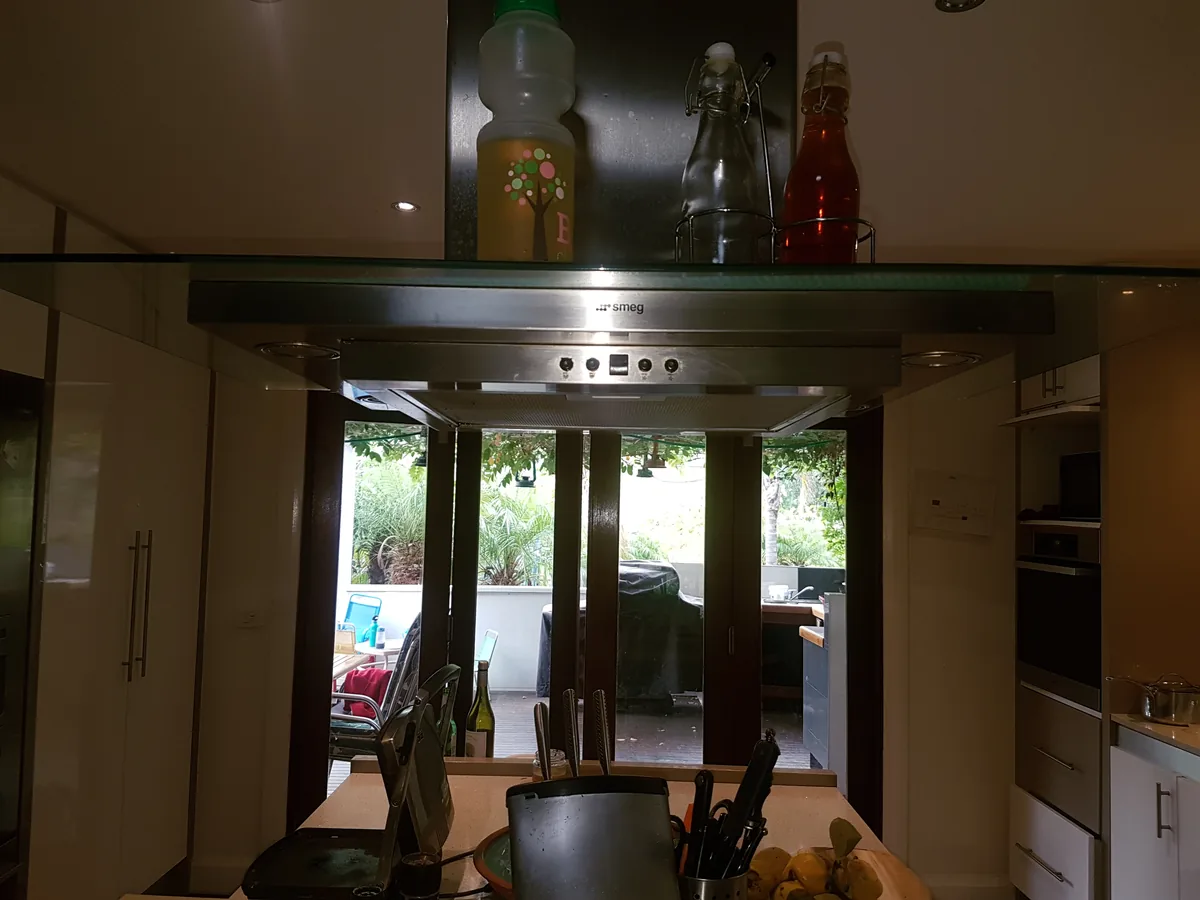
The Types We Install
Canopy, undermount, integrated and island — each mounts differently and each has its own ducting and fixing requirements.
Canopy rangehoods
Mount to the wall above the cooktop, with a chimney cover running up to the ceiling. The most common style in Australian kitchens.
Undermount rangehoods
Fit underneath an overhead cabinet, with the motor concealed inside or above it.
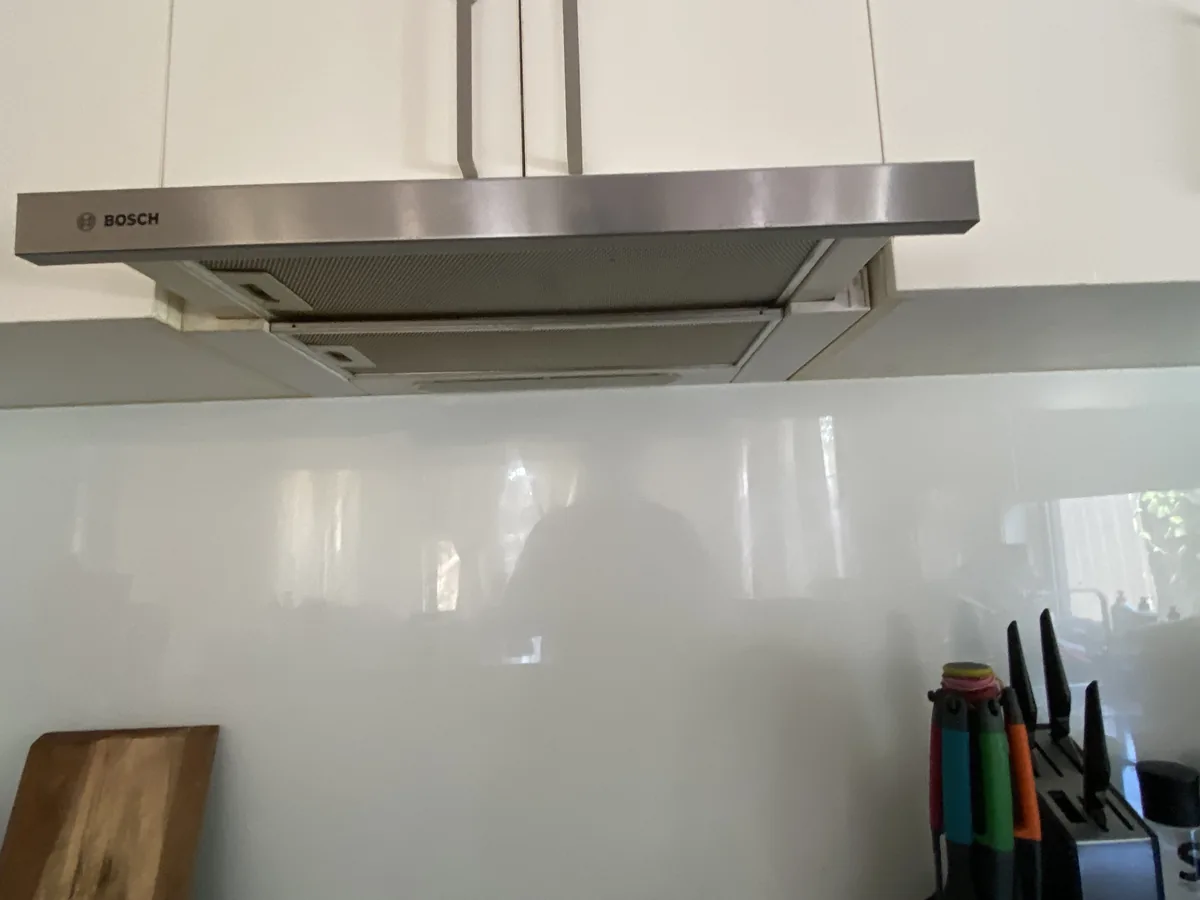
Integrated and slide-out rangehoods
Sit within the cabinetry, with a visor that pulls forward when in use.
Island rangehoods
Hang from the ceiling above a cooktop set into a kitchen island. These need secure fixing to the ceiling structure and a ducting route through the ceiling.
Getting the Height Right
This is the most important decision in a rangehood installation, and the rules changed recently.
Over a gas cooktop, the minimum clearance is set by AS/NZS 5601.1, the Australian and New Zealand gas installation standard. The 2022 edition raised it for new installations, and it has applied since 30 March 2023.
| Situation | Minimum clearance to the rangehood |
|---|---|
| New gas cooktop in a new kitchen, or a renovation with new cabinetry and rangehood | 650mm, measured from the top of the trivet |
| Gas cooktop replaced in an existing kitchen | 600mm, unless the manufacturer specifies more |
| Exhaust fan above a gas cooktop, any situation | 750mm |
| Electric, ceramic or induction cooktop | As specified in the manufacturer’s instructions |
Plenty of information online still quotes 600mm as the standard. For a new kitchen with a gas cooktop, it is not. At the other end, a rangehood mounted too high loses most of its capture. Steam and grease rise and spread, and the further they travel before reaching the rangehood, the more of them escape into the kitchen. We fit to the lowest compliant height the manufacturer recommends, not just the lowest legal one.
Two rules sit on top of those numbers:
- If the cooktop’s or the rangehood’s installation instructions specify a greater clearance, the greater figure applies
- Any combustible surface facing down within the clearance zone has to be protected
Extraction Options
Ducted or Recirculating
For ducted installations, the route matters as much as the rangehood. The shortest, straightest duct performs best, because every bend and every metre reduces airflow. And the duct needs to vent outside — a rangehood vented into the roof space simply moves grease and moisture into your ceiling.

Ducted rangehoods
Push air out of the building through a duct. They remove heat, moisture, grease and odour, and they are the more effective option wherever a duct route is available.

Recirculating rangehoods
Draw air through grease filters and charcoal filters, then return it to the kitchen. They suit apartments and kitchens where ducting outside is not possible. They remove grease and odour but not heat or moisture, and the charcoal filters need replacing periodically to keep working.
Common Faults
Installation Mistakes We Fix
We see these on repair calls, long after the installer has gone.

Mounted too low over gas
Below the minimum clearance, the underside of the rangehood and nearby cabinetry are exposed to direct heat from the burners.
Mounted too high
The rangehood runs, makes noise, and captures very little.
Ducted into the ceiling
Grease builds up in the roof space and moisture causes damage over time.
Crushed or undersized ducting
Flexible duct squashed during installation, or a duct narrower than the rangehood’s outlet, strangles airflow and makes the motor work harder.
Narrower than the cooktop
Steam and smoke escape around the edges.
Charcoal filters never replaced
A recirculating rangehood with exhausted filters does very little except move air around.
Installations Process
Rangehood, Oven and Dishwasher Installation
Book your installation
Call 1300 434 380 or enquire online. Our live team answers in about 30 seconds. Tell us what you are installing, the model number if you have it, and what it is replacing.
Check the site
Before anything is fitted, we check what the new appliance needs against what is already there: the cabinet cut-out, clearances, the electrical supply, the gas type and connection, and the water and drainage. Most installation problems are decided at this step.
Agree the price
You get a clear quote covering the installation and anything the site needs to accept the new appliance. Nothing proceeds without your approval.
Install and connect
The appliance is fitted and levelled to the manufacturer’s specifications. Gas and hardwired electrical connections are made by appropriately licensed trades and certified.
Test, hand over and remove the old one
We test the appliance, walk you through it, hand over your compliance documentation, and take the old appliance away.
Electrical Connection and Replacing Over Gas
Most rangehoods plug into a power point in the cabinet above or behind the canopy. Where there is no suitable power point, or the rangehood is hardwired, the connection is licensed electrical work under AS/NZS 3000 and is carried out by a licensed electrician.
If you are replacing the gas cooktop at the same time, or renovating the cabinetry, check the height before you buy. A rangehood that met the old 600mm clearance may need to be raised to meet 650mm under the current standard.
Before you buy:
- Check the clearance your cooktop and rangehood instructions require, not just the legal minimum
- If an existing rangehood has stopped working, a repair may be cheaper — sometimes it is a filter or a fan, not a replacement
Client Testimonials
Thousands of Australian families trust National Appliance Repairs. Here's why.
Households and property managers across five capitals trust National Appliance Repairs with their kitchens. Here is what they say.



FAQS
Rangehood Installation Questions
How high should a rangehood be above a gas cooktop?
For a new gas installation in a new or renovated kitchen, at least 650mm from the top of the trivet to the lowest point of the rangehood, under AS/NZS 5601.1:2022. When a gas cooktop is replaced in an existing kitchen, the minimum is 600mm. If the manufacturer specifies more, that figure applies.
How high should a rangehood be above an induction or electric cooktop?
As specified in the rangehood manufacturer’s installation instructions. Electric cooktops are not covered by the gas clearance rules, but manufacturers set their own minimum and recommended heights.
Is ducted or recirculating better?
Ducted, where a duct route to the outside is available. It removes heat and moisture as well as grease and odour. Recirculating suits kitchens where ducting outside is not possible.
Can you install a different size rangehood in my existing space?
Often, but it depends on the cabinetry, the ducting and the power point. Send us the model number and a photo of the current setup and we will tell you what is involved.
Do you take the old rangehood away?
Yes. We remove your old rangehood when we install the new one.
Contact us
Book Your Rangehood Installation
Tell us the rangehood model, the cooktop underneath it, and whether it is replacing an existing unit.
Call us: 1300 434 380

Old Rangehood Removed
*subject to availability
Installed to the correct clearance

Servicing Australia since 2009
Call Us:
or leave a message using the form below
Call Us:
or leave a message using the form below