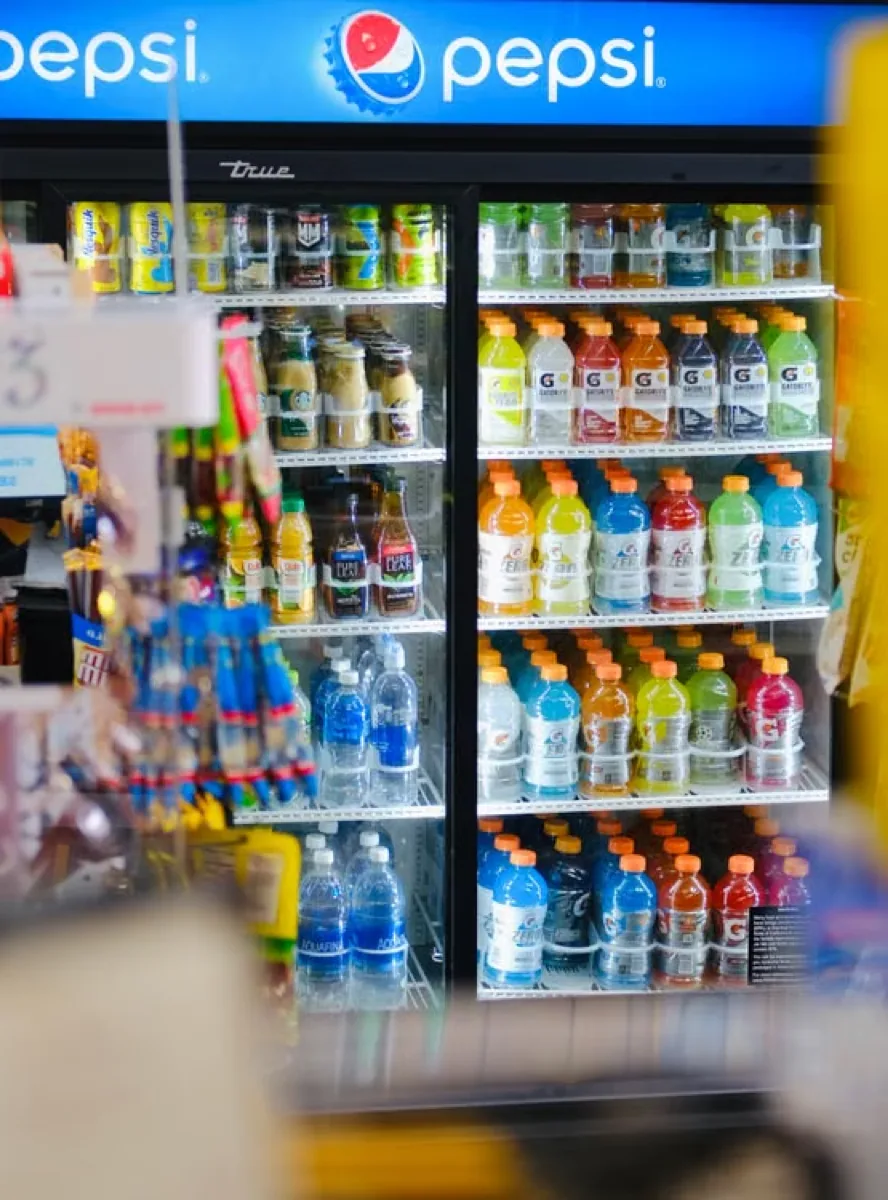
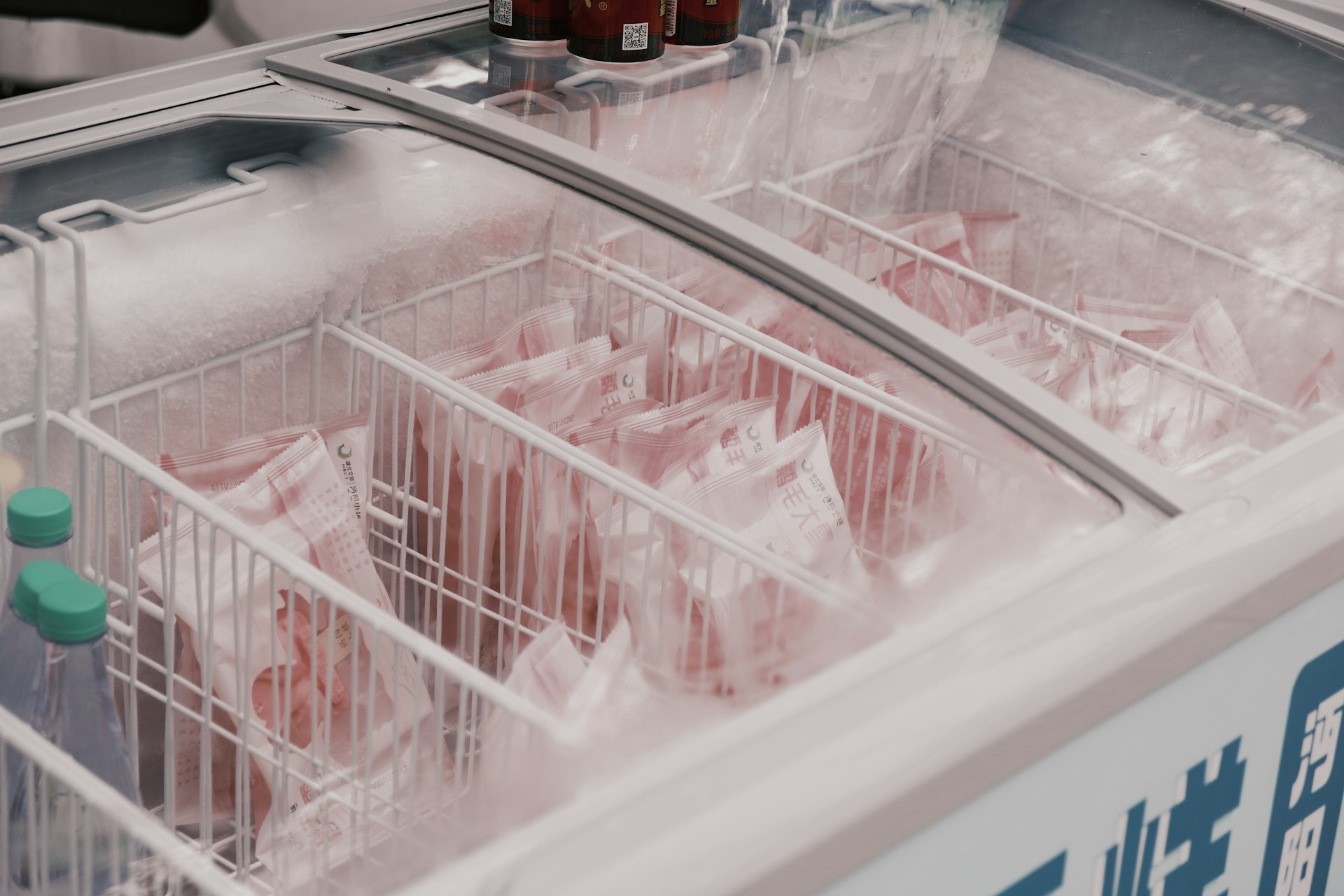

The fridge specs say 5°C. The logbook says 4°C, checked at open. Lunch service hits, the door’s opening every ninety seconds for four hours straight, and by 1:30 the display cabinet is sitting at 7°C with nobody watching.
That’s not a paperwork problem. It’s an equipment problem wearing a paperwork disguise, and it’s the single most common way a compliant-looking kitchen ends up with a genuine food safety issue.
It’s also one of the more common callouts National Appliance Repairs gets from commercial kitchens – usually from an operator who assumed the equipment was fine because the morning reading always looked fine.
What the Standard Actually Requires
Under the Australia New Zealand Food Standards Code, Standard 3.2.2 sets the baseline: potentially hazardous food has to be kept at or below 5°C, or at or above 60°C. Below that, bacteria that cause food poisoning grow slowly enough to matter. Between 5°C and 60°C – the “temperature danger zone” – they multiply fast. Our fridge storage guide covers how this plays out on the domestic side, if you’re weighing up a home unit against the same standard.
Standard 3.2.2A layers a record-keeping requirement on top for category one food businesses: cafés, restaurants, caterers, and similar operations handling unpackaged, ready-to-eat, potentially hazardous food. It requires businesses to be able to show, not just claim, that temperature control during storage is actually happening – typically daily temperature logs, kept for at least three months and ready to produce during an inspection.
None of that is new information to anyone running a commercial kitchen. What trips people up is the gap between what the fridge is rated to do and what it actually does under real service pressure.
Need This Fixed Today?
Our licensed technicians repair this exact fault every week – fast, reliable, and backed by a workmanship guarantee.
- Licensed & insured
- Workmanship guarantee
- No fix, no fee
Why a Compliant Fridge Drifts Anyway
A display or prep fridge that’s spec’d correctly and was reading fine on Monday morning can still fail an inspector’s spot check on Friday afternoon. The equipment isn’t lying in the log – the log is just being taken at the wrong moment.
Door-opening frequency during service
Every open door lets warm kitchen air in and cold air spill out. A display cabinet with a door opening every couple of minutes through a lunch rush is under a completely different thermal load than the same cabinet overnight, and a single morning reading doesn’t capture that.
Condenser fouling
Dust, grease, and kitchen airborne fat build up on the condenser coil over months. Airflow drops, heat rejection drops with it, and the compressor runs longer to hit the same setpoint – right up until it can’t quite get there anymore. This is gradual, which is exactly why it’s easy to miss between service intervals.
Overstocking blocking airflow
Commercial units rely on air circulating around stored product, not just cold air sitting in a box. Pack shelves solid against the back wall or in front of the evaporator fan, and the unit can be running perfectly while product at the front of the shelf sits several degrees warmer than the display reads.
Door seal degradation
A seal that’s lost its compression – cracked, compressed flat, or with a torn corner – leaks cold air continuously, not just when the door’s open. It’s often invisible unless someone actually checks it, because the fridge still “closes.”
Defrost cycle timing
Every fridge cycles into defrost periodically, and temperature climbs briefly during that cycle by design. A spot check that happens to land mid-defrost can look like a fault when it’s actually normal operation – but if defrost cycles are running too frequently or lasting too long, that’s a genuine fault, usually pointing to a sensor or timer issue.
Ambient kitchen temperature
A unit installed next to a griddle, an oven, or in a kitchen without adequate ventilation is fighting a much higher ambient temperature than its rated operating range assumes. The compressor works harder for the same result, and in extreme cases can’t achieve the setpoint at all during peak heat.
The Question That Actually Matters: Broken, or Undersized?
This is the distinction most equipment retailers won’t raise, because the answer sometimes points away from a sale.
A fridge that’s drifting because of a genuine fault – a failing compressor, a degraded seal, a fouled condenser, a sensor reading incorrectly – is a repair job. Fix the fault and the unit holds temperature the way it’s rated to.
A fridge that’s drifting because it’s simply too small for the door-opening frequency and stock volume it’s being asked to handle is a different problem entirely, and no repair fixes it. A single glass-door display unit rated for a suburban café doesn’t necessarily have the recovery capacity for a CBD lunch rush doing four times the covers. In that situation the honest advice is that the equipment needs to change, not that it needs fixing – and a technician who tells you that up front, even when it costs them the smaller job, is the one worth having on a maintenance contract.
Both scenarios produce the identical symptom on a temperature log: numbers drifting above 5°C during peak periods. Telling them apart takes someone who can watch the unit under real load, not just read a single reading off the display.
Quick Reference: Symptom to Likely Cause
| What you’re seeing | Most likely cause | Fault or capacity issue? |
|---|---|---|
| Fine at open, drifts up through service, recovers overnight | Door-opening frequency exceeding unit’s recovery rate | Often capacity – reassess if this happens every service |
| Gradual upward drift over weeks or months | Condenser fouling | Fault – clean and reassess |
| Front-of-shelf product reads warmer than the display | Overstocking blocking airflow | Not a fault – restock pattern |
| Consistently 2-3°C above setpoint at all times | Failing seal, low refrigerant, or failing compressor | Fault – needs diagnosis |
| Temperature spikes at regular intervals, then recovers | Normal defrost cycling | Not a fault, unless spikes exceed a few degrees or last unusually long |
| Never reaches setpoint even overnight with no door activity | Undersized for ambient conditions, or a genuine major fault | Needs on-site assessment to distinguish |
What to Do Before an Inspection, Not During One
- Check and log temperatures at more than one point in the service day, not just at opening – a lunch-service reading tells an inspector (and tells you) far more than an 8am reading alone
- Physically inspect door seals for compression loss or tears, not just a visual glance
- Confirm the condenser coil has been cleaned within the manufacturer’s recommended interval – this is a five-minute check that prevents the most common cause of drift
- Check actual stock placement against the manufacturer’s loading guidelines, particularly around evaporator fans
- If a unit runs hot during every peak service without exception, treat that as a capacity conversation with a technician rather than something to keep logging and hoping improves
Frequently Asked Questions
What temperature should a commercial fridge actually run at?
Standard 3.2.2 requires potentially hazardous food to be kept at or below 5°C. Most commercial units are set to run at 1-4°C internally to build in a buffer for door-opening and service load, so the food itself stays under the 5°C threshold even during busy periods.
How often do I need to record temperatures under Standard 3.2.2A?
Category one businesses need to be able to demonstrate temperature control is being managed, with records kept for at least three months. Best practice – and the more useful habit regardless of the strict minimum – is checking and logging more than once a day, including during service, not just at open.
My fridge reads fine every morning but I suspect it’s drifting during lunch. Is that worth investigating?
Yes, and it’s a very common pattern. A morning-only reading misses exactly the period of highest thermal load. A mid-service check, or a short period of continuous logging, will usually confirm it one way or the other.
Can a fridge be food-safety compliant on paper but still fail in practice?
Yes – this is the core issue this article addresses. A logbook showing acceptable readings taken at a single point each day doesn’t capture what happens during peak service, and a unit can be technically rated correctly while still being undersized for how it’s actually being used.
Is this something National Appliance Repairs can assess as part of a maintenance contract?
Yes. Planned preventative maintenance for commercial B2B clients includes condenser cleaning, seal inspection, and performance checks under load, which is exactly the kind of assessment that catches drift before it becomes an inspection finding – see our maintenance checklist for café and restaurant kitchens for how this fits into a broader kitchen schedule, or get in touch to discuss a contract for your kitchen.
The Bottom Line
A fridge that’s compliant on the spec sheet and compliant at 8am can still be the reason a kitchen fails an inspection at 1:30pm. Most of the causes – condenser fouling, seal degradation, overstocking, ambient heat – are preventable with routine maintenance rather than an expensive fix once they’ve already caused a problem. The harder judgement call, undersized versus faulty, is exactly why this is worth a technician’s assessment rather than a guess.
National Appliance Repairs services commercial fridges, cool rooms, and blast chillers across Melbourne, Sydney, Brisbane, Adelaide, and Perth, including planned preventative maintenance for B2B clients.
Call 1300 434 380 to discuss a maintenance schedule for your kitchen.