
Igniter’s clicking away, no flame shows up. No gas smell either, just a burner refusing to light. Usually not serious. But gas is one of those areas where it’s worth knowing exactly where the line sits between something you sort out yourself and something a licensed technician needs to touch.
In this guide from the in-house experts at National Appliance Repairs, you’ll find the real causes, what’s fine to check, and the safety steps that actually matter once gas is involved.
The Most Common Causes of a Burner That Won’t Ignite
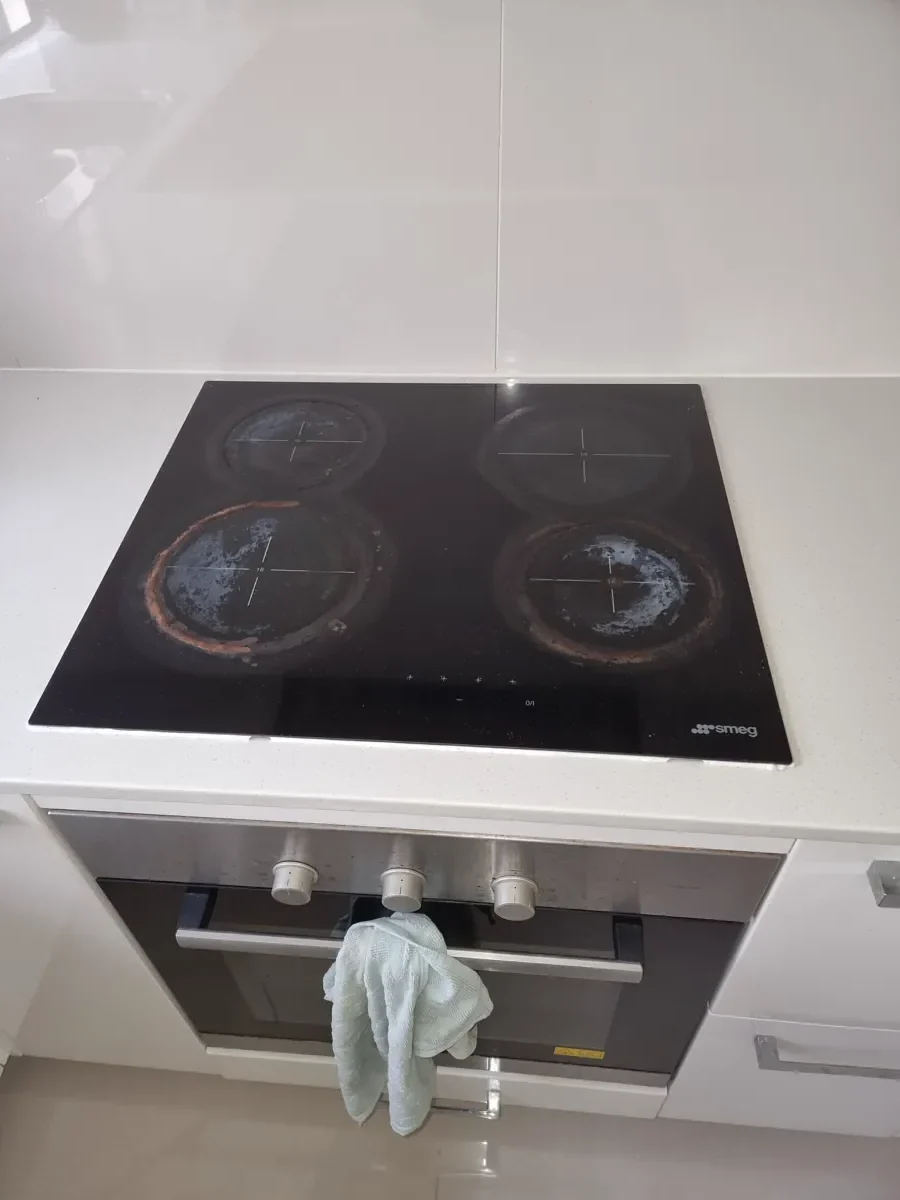
Moisture or food debris in the burner. The most common cause by a distance, especially right after cleaning. Water or grease sitting in the burner ports or around the igniter stops the spark reaching the gas, even while it’s clicking away normally. Give it time to dry out and it usually sorts itself.
A misaligned burner cap. There’s a small notch on most caps that has to line up with the igniter electrode. Put it back a few degrees off after cleaning and the spark either misses the gas altogether or has to jump further than it’s built for. Either way, ignition gets weak or dies completely.
A faulty igniter or spark module. The igniter itself is a small ceramic part generating the spark. Crack it, wear it out, or let the spark module behind it fail, and you’ll typically see one burner sparking weak and inconsistent while the rest light normally. This is a parts job, not a cleaning job.
Clogged burner ports. Grease and food debris build up in the small holes ringing the burner over years of use. Enough of it and the flame goes uneven, weak, or stops catching altogether.
Something upstream in the gas supply. Every burner clicking, nothing lighting, no gas smell anywhere. Check the isolation valve behind the cooktop is fully open. Partially open is enough to choke ignition without cutting gas off completely, and it’s easy to overlook.
LPG bottle running low. If you’re on bottled gas rather than mains, a nearly empty cylinder can produce weak, intermittent ignition before it fails completely. Worth checking the gauge or swapping the bottle before assuming there’s a fault in the cooktop itself.
Two Types of Ignition, One Common Confusion
Older gas cooktops use a piezo igniter, a small mechanical device that generates a spark when you press it, no electricity required. Most cooktops made in the last couple of decades use electronic spark ignition instead, wired into the mains, triggered by turning the control knob to the ignite position. It’s a small distinction but it matters for troubleshooting: if your cooktop uses electronic ignition and there’s been a power outage or a tripped breaker, every burner will click weakly or not at all, even though there’s nothing wrong with the gas supply or the burners themselves. Check the power situation before assuming a bigger fault.
Signs You Need Gas Cooktop or Stove Repair
- Igniter clicking but burner won’t light after cleaning and drying
- Flame is orange, yellow, or uneven rather than blue
- One burner consistently weaker than the others
- Gas smell when the appliance is switched off
- Burner ignites slowly or takes many clicks to catch
- Control knobs feel loose or don’t click through the ignite position properly
What’s Safe to Check Yourself
- Give the cooktop time to dry out if it’s been recently cleaned or something spilled on it
- Check the burner cap sits flat and the notch lines up with the igniter
- Once the appliance is cool and switched off, clear visible debris from the burner ports with a soft brush
- Make sure the appliance is plugged in and the breaker’s on. Electronic ignition still draws mains power even on a gas cooktop
When to Stop and Call a Professional Instead
| Situation | What To Do |
| Burner clicks but won’t light, no gas smell | Fine to work through the checks above yourself |
| Flame lights but runs orange or uneven | Book a repair. Usually a combustion or burner port issue |
| Gas smell while the appliance is switched off | Turn off the gas supply if it’s safe to, ventilate, call a licensed gas fitter or your distributor’s emergency line straight away |
| Igniter won’t stop sparking | Cut power to the appliance and book a repair |
| Basic checks done, still nothing | Call a technician rather than going further yourself |
Why Gas Safety Isn’t a DIY Area
Pressurised gas line, electrical ignition, open flame — three things that don’t forgive mistakes. Energy Safe Victoria’s advice on a gas smell is blunt: turn off appliances if it’s safe to, then call your distributor’s emergency number straight away. Gas leaks aren’t a wait-and-see problem. Same goes for replacing a valve, regulator, or igniter module yourself. Even a burner head put back together slightly wrong changes how evenly and safely the thing burns.
National Appliance Repairs technicians working on gas cooktops and gas stoves are trained in gas safety as a baseline requirement, not an extra. Genuine igniters, valves, and thermostats travel in every van, so most ignition faults get sorted in one visit, backed by a 12-month parts and 3-month labour warranty.
What Actually Happens During a Repair Visit
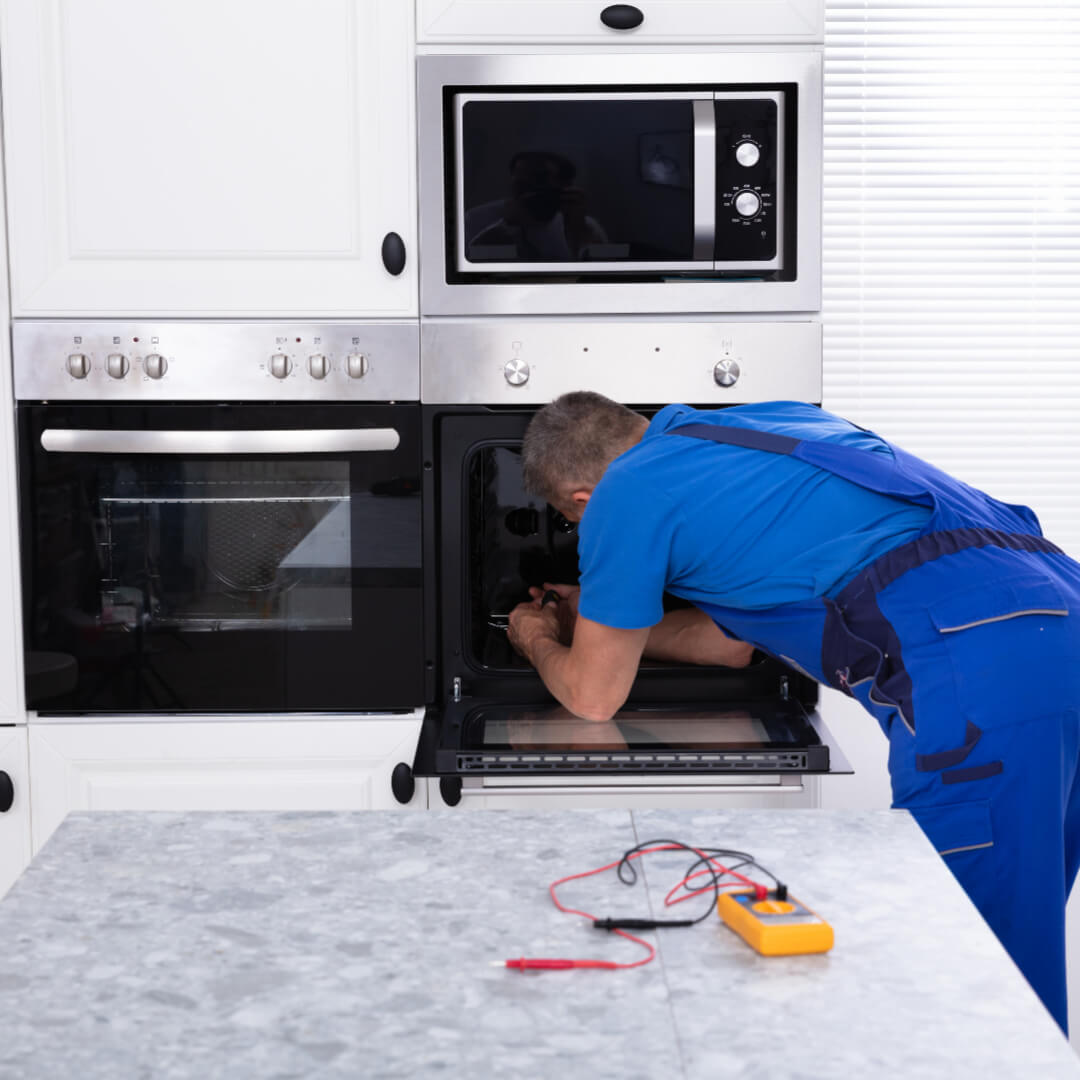
A technician starts by isolating the appliance and checking gas supply pressure before touching anything else. Then it’s a burner-by-burner check: cap alignment, port condition, igniter spark strength, and whether the fault is isolated to one burner or affects all of them. That last point matters, because a single weak burner usually means a worn igniter or clogged ports, while every burner failing together points toward the gas supply, the isolation valve, or the appliance’s main electrical connection.
If a part needs replacing, genuine igniters, spark modules, and gas valves for major brands are carried in the van, so most repairs are completed on the spot rather than requiring a second visit. Anything involving the gas line itself gets pressure-tested before the job’s signed off, and you’ll get a plain explanation of what failed and why, not just a part number on an invoice.
Preventing This From Happening Again
A handful of habits keep burners lighting reliably and cut down on repeat callouts.
- Dry the cooktop fully after cleaning before using it again, rather than lighting a burner while it’s still damp
- Reseat burner caps carefully after cleaning, matching the notch to the igniter every time
- Clean burner ports with a soft brush every few weeks if you cook often, rather than waiting until ignition becomes unreliable
- Keep the isolation valve fully open during normal use and only close it when you actually need to
- If you’re on bottled gas, keep a spare cylinder or know the supplier’s turnaround time so a low bottle doesn’t catch you out mid-cook
Frequently Asked Questions
Why is my gas cooktop clicking but not lighting?
Moisture or food debris around the burner or igniter, most likely, especially soon after a clean. If the cooktop’s clean and bone dry and it’s still not lighting, look at a misaligned cap or a worn igniter next.
Is it safe to keep using a burner that won’t light?
Generally yes, if there’s no gas smell and it’s just the one burner. Smell gas at any point, or get continuous clicking with nothing happening, and that’s the point to switch off and stop trying.
What do I do if I smell gas near the cooktop?
Gas off at the meter if it’s safe to reach it. Windows open. No naked flames, no flicking switches nearby. Call a licensed gas fitter or your distributor’s emergency line straight away.
Can I replace a gas igniter or valve myself?
No. Pressurised gas lines need a licensed gas fitter, full stop. A valve or igniter fitted slightly wrong can mean a leak or uneven combustion, and neither is something you want to discover after the fact.
What does it cost to fix a cooktop that won’t spark?
Depends what’s actually wrong. Igniter swap or a burner clean costs a lot less than a gas valve or regulator job. Ring 1300 434 380 and get a ballpark before anything’s booked.
The Bottom Line
Most of the time this is moisture, a cap sitting slightly off, or an igniter on its way out. None of it’s dramatic. The one thing that changes everything is a gas smell — that’s not a troubleshoot-it-yourself situation, that’s a stop-and-call-someone situation. Basic checks not cutting it? Contact National Appliance Repairs or call 1300 434 380 for a same-day assessment, subject to availability, across Melbourne, Sydney, Brisbane, Adelaide, and Perth.