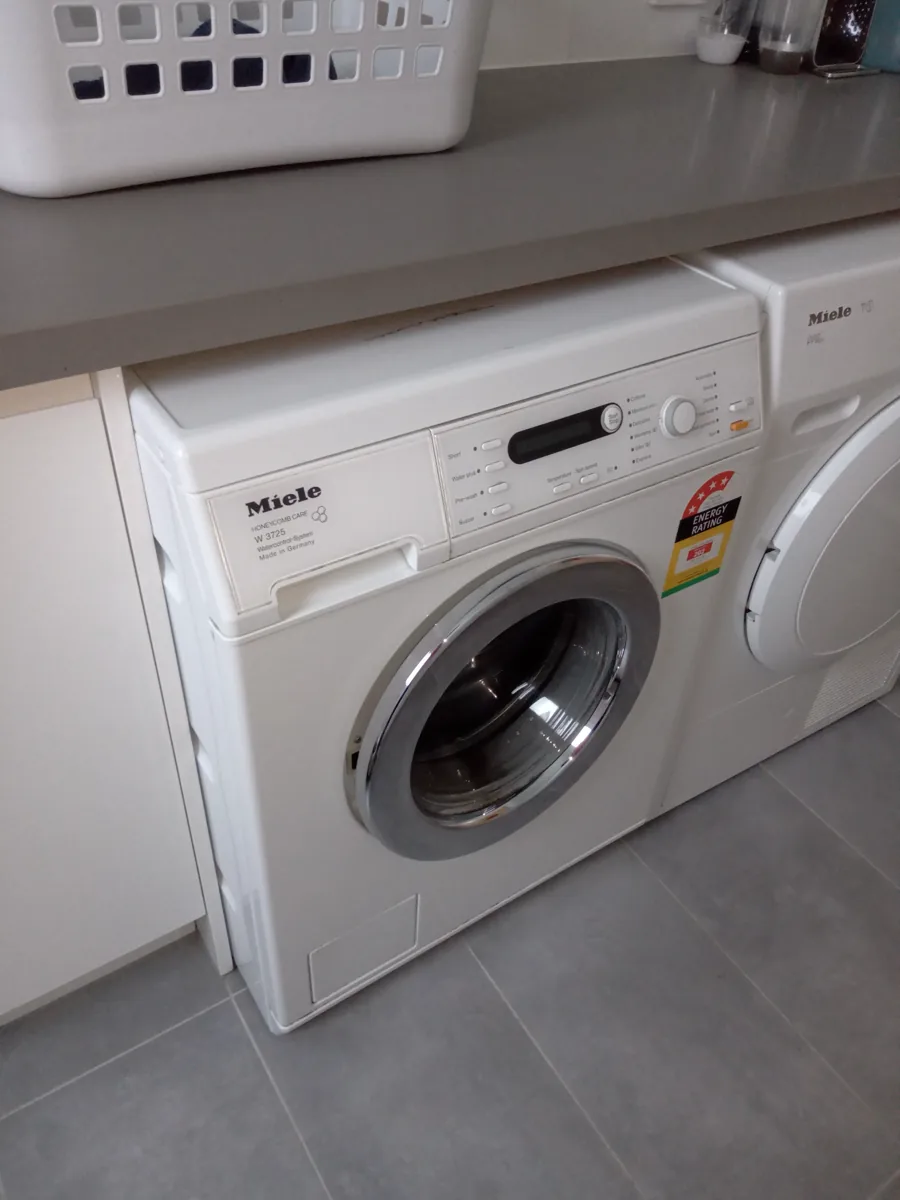
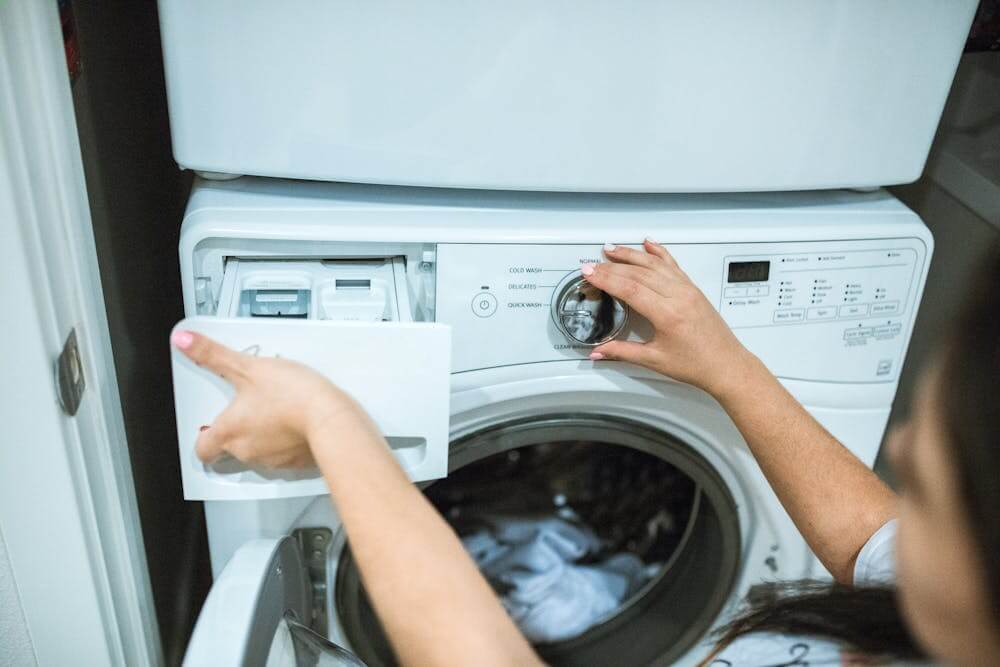

A washing machine that will not spin is more than an inconvenience. It leaves your clothes dripping wet and your laundry routine at a standstill. The cause could be something simple you can fix yourself, or it could point to a more serious mechanical fault. This guide covers the most common reasons a washing machine stops spinning, what each fault means, and when to call a professional repair technician.
1. The Load Is Unbalanced
This is the most common reason a modern washing machine skips the spin cycle. Front loaders and top loaders both have sensors that detect uneven loads. If laundry is bunched to one side, the machine may slow or stop the spin to protect the drum bearings and suspension.
Solution: Open the machine, redistribute the load evenly, and restart the spin cycle. Avoid washing a single heavy item like a duvet alone. Add a few towels to balance the load instead.
2. The Lid or Door Is Not Closing Properly
Washing machines have safety interlocks that prevent the drum from spinning if the door or lid is not fully closed and latched. A faulty door latch or a damaged door seal can trigger this safety mechanism.
Check that the door is clicking shut firmly. If the machine still will not spin, the door lock mechanism itself may be broken. This is a common and straightforward repair for a technician. If you are in Sydney, our Sydney appliance repair team can diagnose and fix door lock faults same-day in most cases.
3. A Worn or Broken Drive Belt
Most washing machines use a drive belt to connect the motor to the drum. Over time, this belt can stretch, crack, or snap entirely. When the belt breaks, the motor still runs but the drum will not spin.
You may hear the motor humming during the spin cycle without the drum moving, which is a tell-tale sign of a broken belt. Replacing the belt requires disassembling the machine and fitting a model-specific part. Our technicians carry belts for major brands in their vans. Book a washing machine repair and we will typically sort it on the first visit.
4. A Faulty Motor or Motor Carbon Brushes
The motor powers both the wash and spin functions. In older machines, the motor uses carbon brushes that wear down over time. When the brushes are too worn, the motor loses the ability to drive the drum at spin speeds.
Signs of worn motor brushes include the machine washing fine but failing to spin, or the drum slowing during the spin cycle. Carbon brush replacement is one of the most common washing machine repairs. Brush sets are inexpensive but fitting them requires opening the machine and accessing the motor. Our qualified technicians are trained to service all major brands including Samsung, LG, Bosch, Fisher and Paykel, Miele, Electrolux, and Westinghouse. Check if we cover your brand.
5. The Pump Is Blocked or Failing
Before a washing machine can spin, it must drain the water from the drum. If the drain pump is blocked or failing, the machine detects water remaining and refuses to spin. Common blockages include coins, lint, and small items from pockets.
Check the pump filter, which is usually behind a small access panel at the front base of the machine. Clean out any debris and try again. If the pump itself is faulty rather than blocked, it will need to be replaced by a technician. Our Melbourne appliance repair team handles pump replacements regularly.
6. The Control Board or Timer Has Failed
Modern washing machines rely heavily on electronic control boards to sequence wash, rinse, and spin cycles. If the control board develops a fault, it may fail to send the spin signal even when everything else is working correctly.
Control board faults are harder to diagnose without specialist tools. Symptoms often include erratic behaviour such as the machine freezing mid-cycle, error codes on the display, or completing some cycles but not others. This is a job for a professional. Contact National Appliance Repairs for a proper electronic diagnosis.
7. Worn Drum Bearings
Drum bearings support the drum shaft as it spins. When they wear out, you will typically hear a loud rumbling or grinding noise during the spin cycle. The machine may spin at first but the noise worsens over time. If left too long, worn bearings can cause the drum to drop and damage the drum seal, leading to a more expensive repair.
Bearing replacement is a significant repair that involves fully dismantling the drum assembly. It is cost-effective on newer or mid-range machines. Our technicians will assess whether repair or replacement makes more financial sense for your appliance. You can also check our service areas page to confirm availability in your suburb.
8. Overloading the Machine
Washing machines have rated capacity limits for a reason. Consistently overloading the drum puts strain on the bearings, suspension rods, motor, and belt. Over time this leads to premature wear across multiple components. An overloaded machine may also fail to spin because the drum simply cannot gain enough momentum to complete the spin cycle.
Rule of thumb: the drum should be no more than three-quarters full. For heavy items like towels and jeans, fill it even less to allow proper tumbling.

9. How to Keep Your Washing Machine Spinning Smoothly: Maintenance Tips
Many washing machine faults are preventable. The way you load, clean, and care for your machine has a direct impact on how long it lasts and how reliably it performs. These simple habits can save you from an unexpected breakdown and a costly repair bill.
- Do not overload the drum. Consistently washing above the rated capacity is the single biggest cause of premature bearing, belt, and motor wear. Stick to the manufacturer’s recommended load size.
- Clean the pump filter every one to three months. Coins, lint, and debris accumulate quickly and a blocked filter is a leading cause of drain and spin failures. Most front loader filters are accessible behind a small panel at the front base of the machine.
- Run a drum clean cycle monthly. Most modern machines have a dedicated cleaning cycle. Use a washing machine cleaner or a cup of white vinegar to flush out detergent residue, mould, and bacteria that can build up inside the drum and door seal.
- Wipe the door seal after every wash. Moisture trapped in the rubber gasket of a front loader leads to mould growth and seal deterioration. A quick wipe with a dry cloth after each cycle prevents this.
- Use the correct amount of detergent. Too much detergent creates excess suds, which can confuse the machine’s sensors and cause it to extend rinse cycles or skip the spin entirely. Always follow the dosage guide on the packet.
- Leave the door ajar between washes. This allows the drum and seal to dry out properly and prevents mould and odour from developing inside the machine.
- Check pockets before loading. Coins, keys, and small objects are among the most common causes of pump blockages and drum damage. A quick pocket check before each wash takes seconds and prevents significant damage.
- Have the machine professionally serviced every two to three years. A qualified technician can inspect the belt, bearings, brushes, and pump before a minor issue turns into a full breakdown.
Our team at National Appliance Repairs offers planned preventative maintenance for both residential and commercial washing machines across Melbourne, Sydney, Brisbane, Adelaide, and Perth.
Error Codes: What Is Your Machine Trying to Tell You?
Most modern washing machines display error codes when a fault is detected. Common spin-related codes include:
- E3 / F21 / 5E – Drain or pump fault (water not draining before spin)
- E4 / UE / Ub – Unbalanced load detected
- E5 / dE / F8 – Door lock failure
- E6 / 3E / F7 – Motor fault
- LE / 4E – Overload or locked rotor
Always check your manual for your specific brand’s error code list. If you are unsure what a code means or the fault persists, call 1300-434-380 and our team will help you interpret it.
When to Repair vs. Replace Your Washing Machine
Not every fault justifies a repair. Consider these factors:
- Age of the machine: machines under 8 years old are generally worth repairing
- Cost of repair vs. replacement: if repair exceeds 50 to 60% of a new machine’s cost, replacement may be smarter
- Brand quality: premium brands like Miele, Bosch, and Fisher and Paykel are designed to last longer and are generally worth repairing
- Recurrence of faults: if you are repairing the same appliance repeatedly, a replacement may offer better long-term value
National Appliance Repairs technicians will always give you an honest recommendation. If replacement is the best option, we can also supply and install a new appliance and remove the old one for a seamless, hassle-free experience.
Frequently Asked Questions
Why is my washing machine not spinning but making noise?
Noise without spinning usually points to a broken drive belt (you can hear the motor running but the drum is not moving) or worn drum bearings (grinding or rumbling noise). A technician can diagnose the exact fault quickly on a first visit.
Why does my front loader wash but not spin?
This is often caused by a clogged drain pump (the machine cannot drain, so it will not spin), worn motor brushes, or a door lock fault. It can also be a control board issue. An error code on the display will often point to the cause.
Can I fix a washing machine that will not spin myself?
You can check for an unbalanced load, clean the pump filter, and ensure the door is latching properly. Most other faults including belts, bearings, motors, and control boards require a qualified technician with the right tools and genuine parts.
How much does it cost to repair a washing machine that will not spin?
Costs depend on the fault, brand, and your location. National Appliance Repairs provides upfront pricing before work begins.
How quickly can a technician come out?
National Appliance Repairs offers same-day appointments, subject to availability. Office hours are Monday to Friday 8:30AM to 7:00PM and Saturday 8:30AM to 4:30PM. Book early to secure a same-day slot.