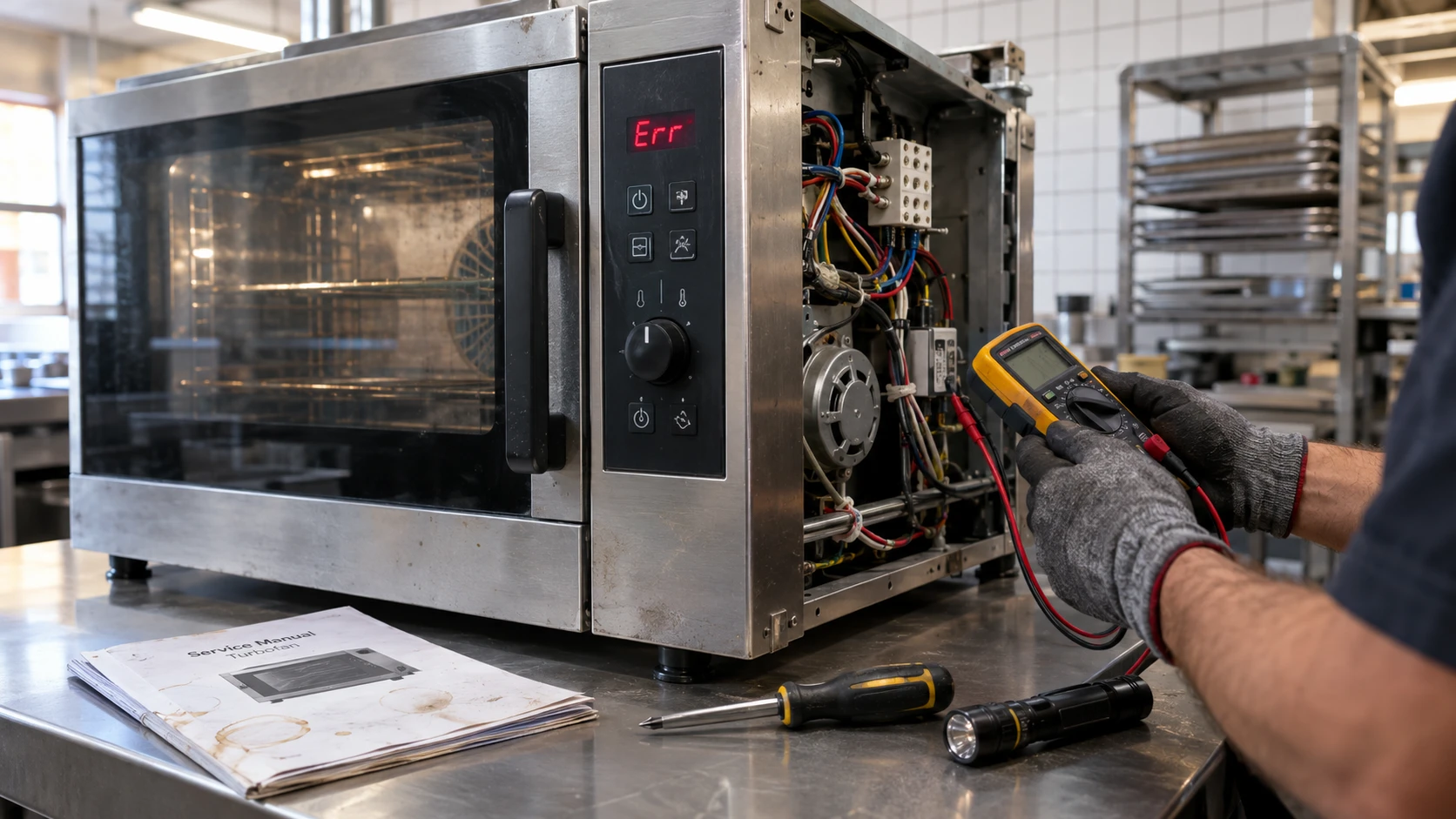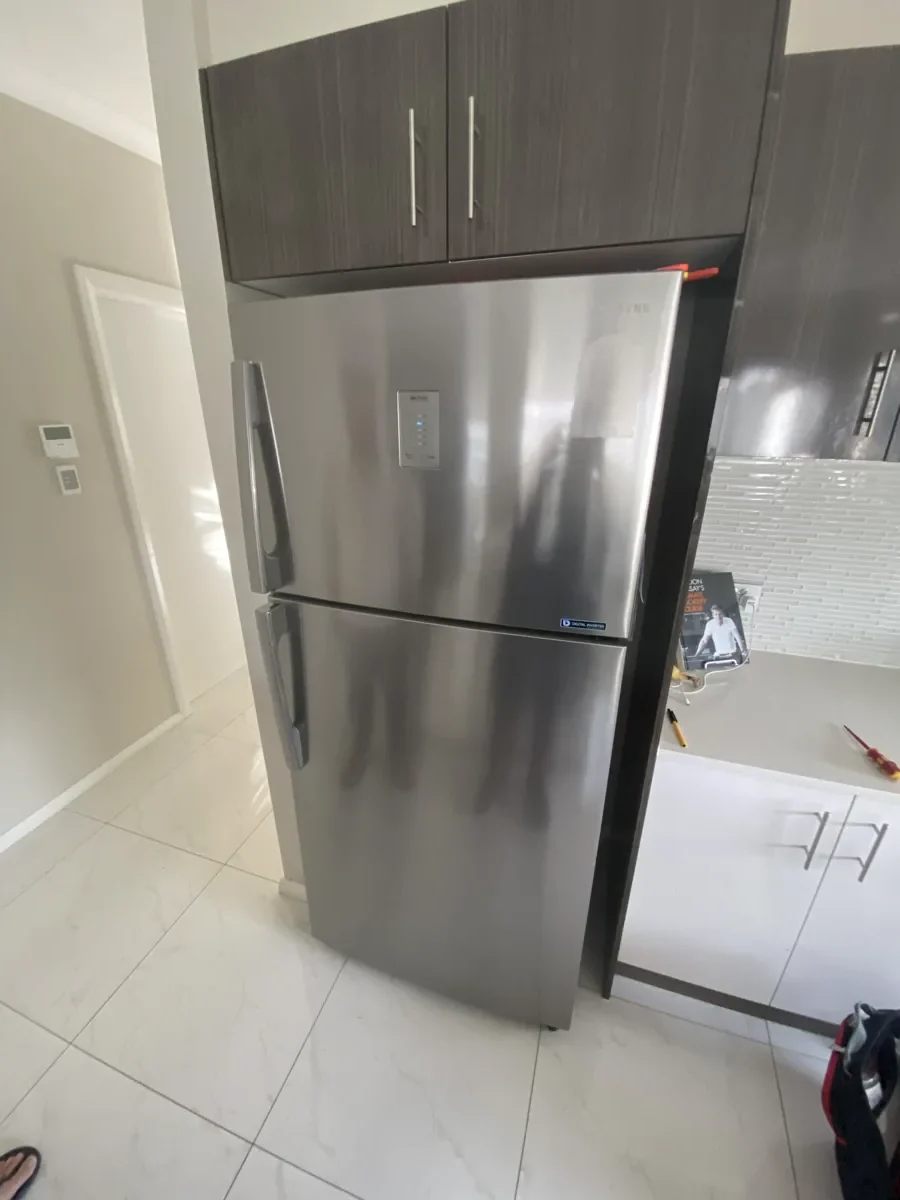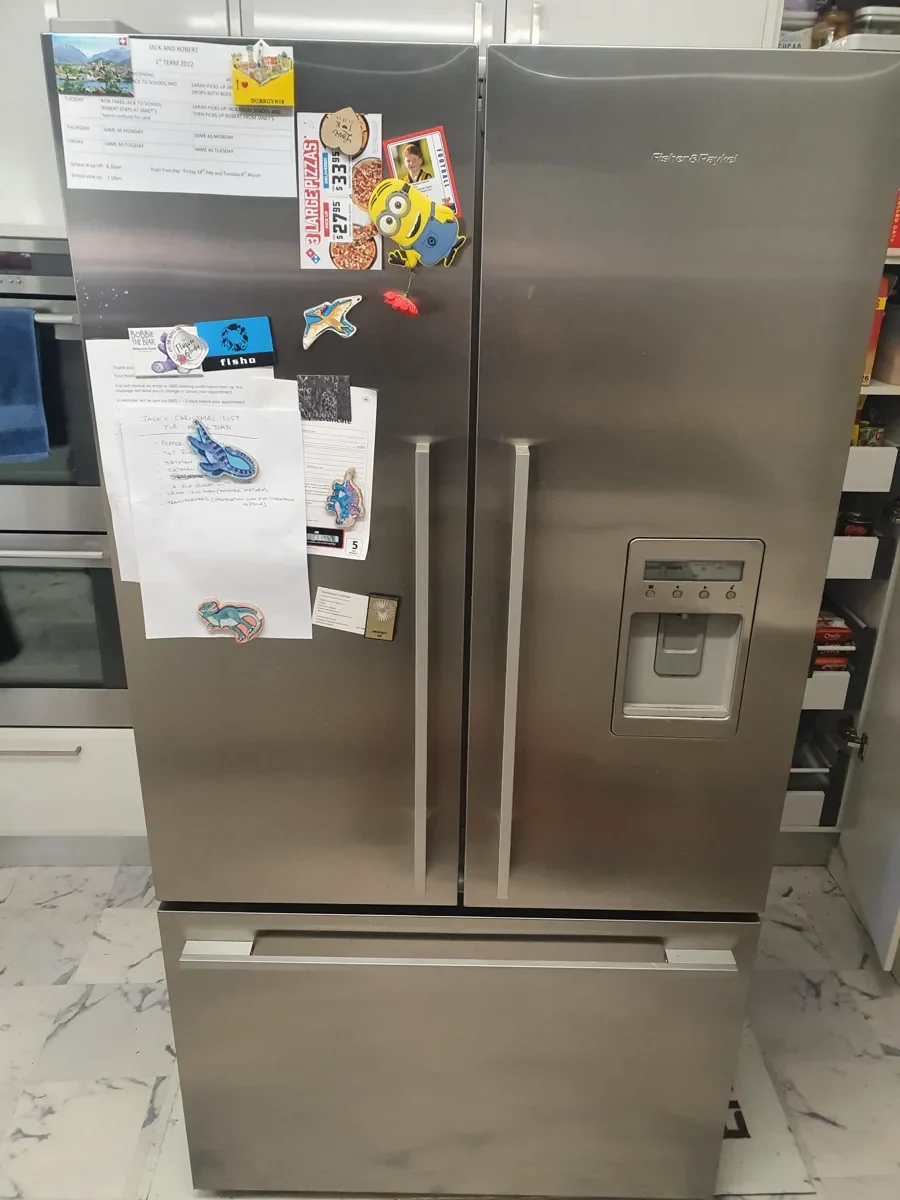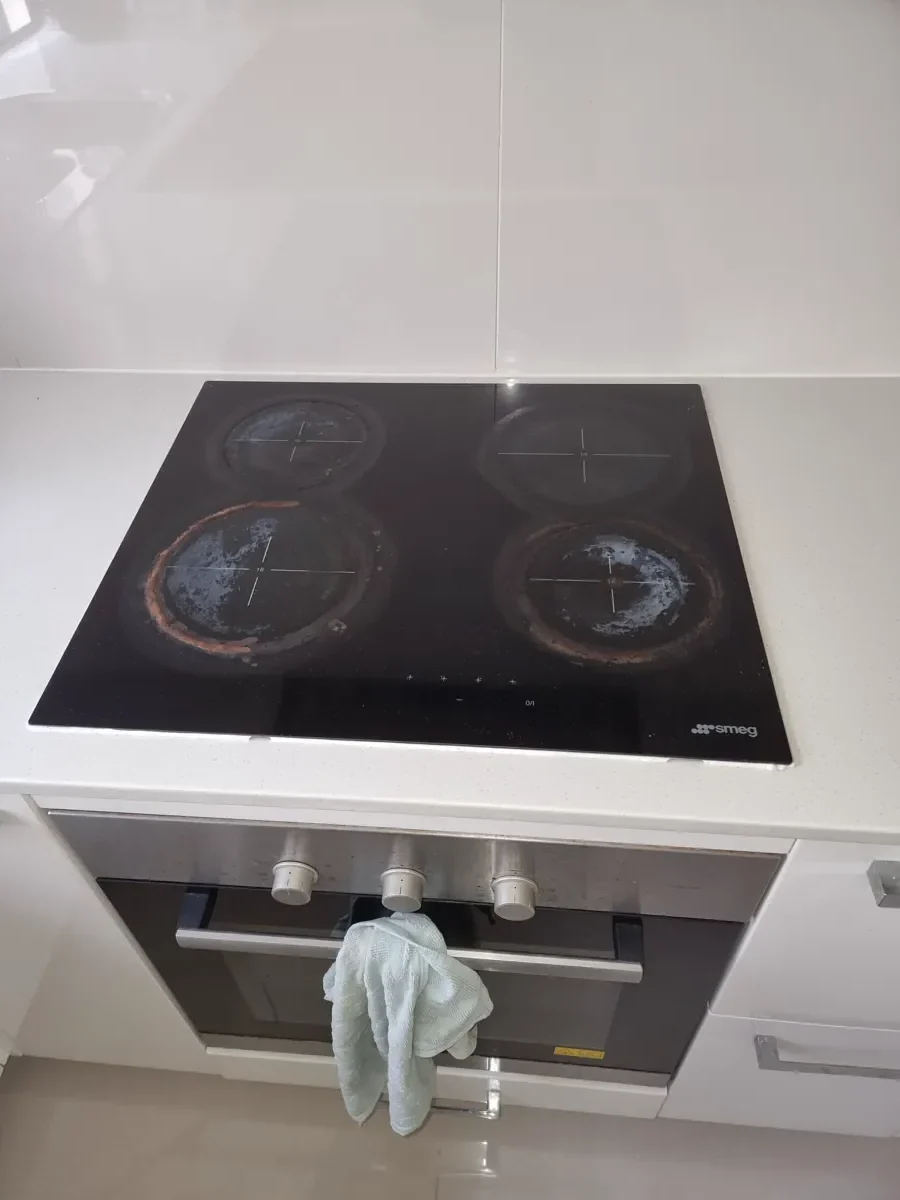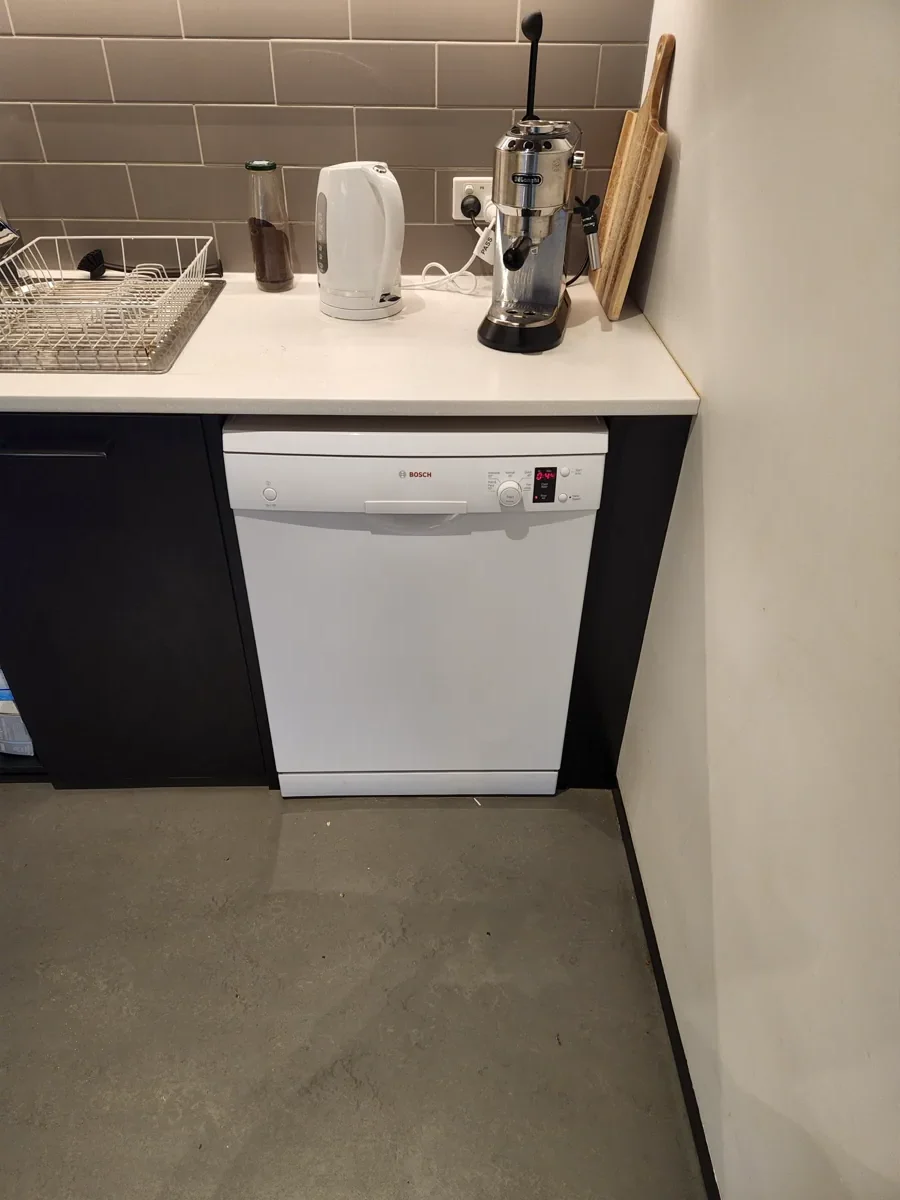

Your appliance has broken down. You need someone to fix it. But where do you start? Australia has no shortage of repair services, and not all of them are trustworthy or competent.
The cheapest quote often isn’t the best option. A technician who can’t diagnose properly or cuts corners on parts will cost you more in the long run. Finding a reliable service is the difference between a permanent fix and months of recurring problems.
What Makes a Repair Service Trustworthy
Before you start searching, know what to look for. These five factors separate professional services from those that cut corners.
- Same-day or next-day availability. Emergencies don’t wait. A reliable service can usually arrange visits within 24 hours. If a company quotes you a week away for standard repairs, they’re either overbooked or not equipped to handle demand.
- Upfront pricing before work starts. Reliable services diagnose the problem first, then quote a price – they don’t pull things apart and surprise you with a bill. Ask for a diagnostic fee and repair estimate. Many reputable companies waive the diagnostic fee if you proceed with the repair.
- Warranty on repairs. We offer 12 months on parts and 3 months on labour. Any company worth hiring stands behind their work. If they won’t guarantee it, there’s a reason.
- Transparent communication about parts. Ask whether they use original manufacturer parts or aftermarket alternatives. Both can be appropriate, but you should know what you’re getting. Aftermarket parts are usually cheaper; original parts often offer better reliability. The technician should explain the difference and let you choose.
- Professional credentials. Ask whether technicians are certified or trained for the appliance types they service. Some specialise in certain brands – it matters for complex issues.
How to Search for Services in Your Area
Start locally. Search “appliance repair near me” or “[your suburb] appliance repair.” Check websites before calling – a professional site with clear information is a good sign; vague sites with minimal detail are not.
- Look at their service areas. Some companies only service specific postcodes. Make sure they cover your location.
- Check online reviews on Google or local Australian review sites. Read reviews from the last 3–6 months – older ones may not reflect current service quality. Look for patterns: one negative review in dozens of positives is normal; multiple reviews mentioning the same issue (late arrivals, poor diagnosis, overcharging) is a red flag.
- Ask friends and neighbours. Word of mouth is reliable. If someone had a good experience with a local technician, that’s valuable information.
Questions to Ask Before Booking
Don’t accept the first quote. Call 2–3 services and compare before committing.
| Question to Ask | What You’re Looking For |
| What’s your diagnostic fee? | Clear upfront fee; waived if repair proceeds |
| Do you offer same-day or next-day service? | Same-day for emergencies; next-day for standard |
| What’s your pricing structure? | Hourly or flat rate – ask for a typical estimate |
| Are you authorised for my appliance brand? | Important if still under manufacturer warranty |
| What warranty do you offer on the repair? | Written terms, minimum 3 months labour / 12 months parts |
| Do you stock common parts? | In-stock parts = faster repair, less downtime |
| Can you provide examples of similar repairs? | Confirms hands-on experience with your appliance type |
Red Flags to Avoid
| Red Flag | What It Means | Why It Matters |
| Starts work without diagnosing | Wants to pull things apart before confirming the problem | You’re paying for exploratory work with no budget control |
| Pressure to replace | Insists replacement is the only option | Replacement is more profitable – a good technician gives honest advice |
| Vague pricing | Won’t quote before starting work | The final bill could be double or triple a reasonable cost |
| No warranty | Refuses to guarantee work in writing | If the repair fails, you have no recourse |
| Poor communication | Hard to reach; doesn’t explain what’s wrong | Signals an unprofessional operation |
| Unlicensed for gas work | Lacks gas fitter certification | Gas work requires specific licences in Australia – a safety and legal issue |
| Extremely low quotes | Significantly cheaper than competitors | Usually means inferior parts or rushed work |
For Commercial Operations
If you’re running a restaurant, café, laundry, or other business with commercial appliances, add these considerations before booking:
- Do they service commercial equipment? Commercial appliances differ significantly from residential ones. Ask about their commercial experience specifically – don’t assume domestic expertise transfers.
- What’s their emergency response time? Commercial downtime costs money. Ask their average response time for urgent calls.
- Do they offer preventative maintenance contracts? Scheduled maintenance catches problems before they cause downtime. Most commercial operators find this far cheaper than emergency callouts.
- Can they work around your operating hours? Early morning or after-hours service may be essential. Confirm they can accommodate your schedule.
- Do they stock commercial parts? Commercial equipment often has longer lead times. A service with commercial stock completes repairs faster.
Frequently Asked Questions
How much should I expect to pay for a basic appliance repair?
Costs vary considerably by appliance type and fault. As a general guide:
| Repair Type | Typical Cost Range |
| Diagnostic / inspection fee | $50–$150 |
| Simple fix (e.g. door seal) | $50–$200 |
| Motor or compressor replacement | $300–$800+ |
Always get a written quote before authorising any work.
Should I use an authorised service for my brand, or can I use an independent?
If your appliance is under manufacturer warranty, check the terms – some require authorised service to maintain coverage. If it’s out of warranty, independent services are often equally capable and sometimes cheaper. The technician’s experience matters more than authorisation status.
What if the repair fails shortly after being completed?
This is exactly why warranty matters. A reliable service will redo the work at no charge if it fails within their warranty period. Always confirm warranty terms in writing before booking.
Is it worth repairing an old appliance?
Get a professional diagnosis first. A useful rule of thumb:
- Under 30% of new machine’s price → repair almost always makes sense
- 30–50% of new machine’s price → depends on age and condition; ask the technician’s honest opinion
- Over 50% of new machine’s price → replacement is generally smarter
For appliances over 10 years old, ask the technician’s honest view based on their experience with your specific model.
What should I do if I’m unhappy with the service?
Contact the company immediately – reliable services want to fix issues. If they’re unresponsive, lodge a complaint with your state’s consumer affairs office. In Australia, you have consumer rights protection if services fail to meet reasonable standards.
National Appliance Repairs Across Australia
National Appliance Repairs operates across Brisbane, Melbourne, Sydney, Adelaide, and Perth, servicing both residential and commercial appliances. Same-day service is available in most cases. We stock common parts so repairs often happen during the first visit. Pricing is upfront – no hidden charges. All work is backed by a 12-month parts warranty and 3-month labour warranty.
Whether you need a refrigerator repair in Melbourne, a commercial cooktop fix in Brisbane, or a washing machine service in Perth, call 1300 434 380 or contact us online.