
A bar running short of ice on a hot Friday has a problem that no amount of hustle fixes. Most ice machines that slow down or stop are telling you about something simple: water, air, heat or dirt.
There’s a second side to ice machines that many venues underestimate. Ice is food, and the machine that makes it is held to food safety rules. National Appliance Repairs services commercial ice machines across Melbourne, Sydney, Brisbane, Adelaide and Perth.
Ice is food
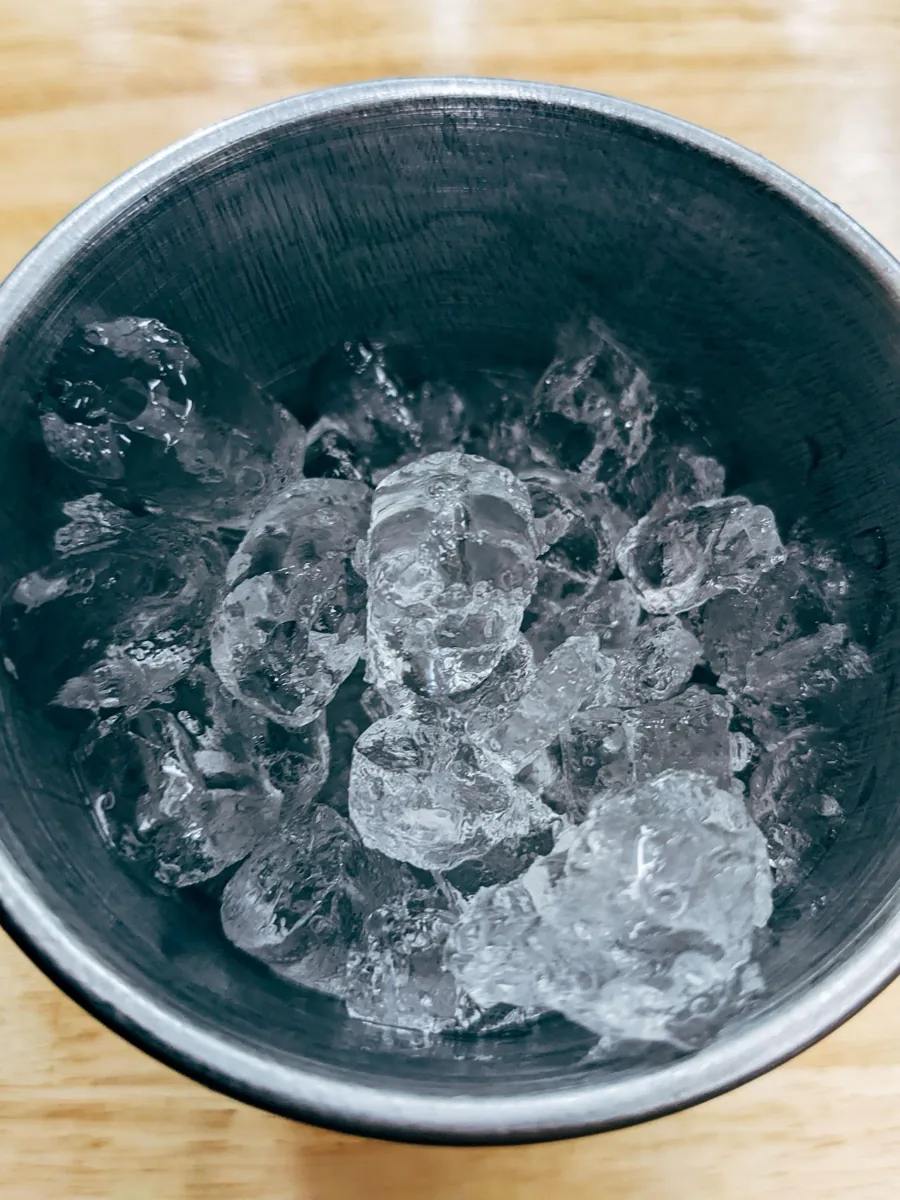
That isn’t a figure of speech. Food Standards Australia New Zealand’s guidance on Standard 3.2.3 says ice must only be made with potable water, meaning water safe to drink.
The NSW Food Authority’s guidelines for seafood retailers state that a business making its own ice should clean and sanitise the ice machine regularly. Council food safety guidance in NSW describes ice as a ready-to-eat food that can make people sick when the machine isn’t kept clean, and warns against storing scoops inside the machine.
So a dirty ice machine is a compliance problem before it’s a performance problem.
Why production drops
| Symptom | Likely cause | Who fixes it |
|---|---|---|
| No ice at all, machine running | Water supply off or restricted | Staff check, then technician |
| Ice production slowly falling | Dirty condenser, scale build-up, or a clogged water filter | Staff and technician |
| Production drops in summer | Room too hot, or the machine can’t release heat | Staff, then reconsider location |
| Thin, hollow or cloudy ice | Scale, water quality or filter condition | Cleaning and filter change |
| Machine stopped after a clean | Left in a cleaning or wash mode, or a part not refitted | Staff |
What staff can check
- Is the water on? Check the isolation valve feeding the machine is fully open, and the supply line isn’t kinked behind it.
- When was the water filter last changed? A filter past its service life restricts flow enough to slow or stop production. Follow the replacement interval in your machine’s manual.
- Is the condenser clear? Air-cooled machines need to shed heat. Dust and kitchen grease on the condenser, or a machine pushed hard against a wall, cut production noticeably.
- Is the room too hot? Every ice machine’s output is rated at a given room and water temperature. A machine in a hot back room or beside a cooking line makes less ice, and in an Australian summer that gap is large. Check the operating range in your manual.
- Was it just cleaned? A machine left in its cleaning cycle, or with a curtain or part not refitted, won’t go back into production.
- Is the bin full? Most machines stop when the bin is full. Check the bin sensor or control isn’t blocked by ice piled against it.
Cleaning: why it matters twice
Scale and slime build-up inside an ice machine affects two things at once: how well it makes ice, and whether the ice is safe.
- Scale from hard water coats the evaporator, so ice forms slowly and releases poorly. Our guide to Australian water and appliances shows where water is hardest.
- Biofilm and slime build up in the water system and the bin, which is exactly what the food safety guidance is about.
Clean and sanitise on the schedule your manufacturer sets, using the cleaners it specifies, and record when it’s done. Many venues add this to their kitchen maintenance schedule. Our café and restaurant maintenance checklist is a useful starting point.
Day to day:
- Wash hands before handling ice, and use a clean scoop every time.
- Keep the scoop out of the ice, stored in a clean holder.
- Never scoop with a glass. If it breaks, the whole bin has to be emptied and cleaned.
- Keep the bin door closed when you’re not taking ice out.
When to book
Book if there’s no ice with the water on and the filter fresh, if production stays low after a full clean, if the machine runs but the ice won’t release, if you see water leaking, or if any error code or alarm light appears.
Our commercial ice machine repairs cover venues across all five capitals, with priority scheduling for urgent commercial breakdowns, planned preventative maintenance, and service reports with job photography for your records. See our full range of commercial appliance repairs.
Call:
- Melbourne 03 9123 0548
- Sydney 02 9621 5988
- Brisbane 07 3166 9770
- Adelaide 08 7123 4027 or
- Perth 08 9470 4450
… with B2B office support until 6:30 PM weekdays.
Have the machine’s brand and model ready, and tell us when it was last cleaned and when the filter was last changed.
Frequently asked questions
Why is my ice machine running but not making ice?
Most often the water supply is off or restricted, the filter is overdue, or the machine was left in a cleaning mode. Check those first.
Why does my ice machine make less ice in summer?
Ice machines are rated at set room and water temperatures. A hotter room, or a condenser that can’t release heat, cuts production.
How often should a commercial ice machine be cleaned?
On the schedule your manufacturer specifies, and more often in hard water areas or busy sites. NSW Food Authority guidance is that it should be cleaned and sanitised regularly.
Is ice really treated as food?
Yes. FSANZ guidance says ice must only be made with potable water, and NSW guidance treats it as a ready-to-eat food.
Can I store the ice scoop in the ice?
No. Council food safety guidance warns against it. Keep the scoop in a clean holder outside the ice.
The short version
When ice production drops, check the water supply, the filter, the condenser and the room temperature before anything else. Then look at cleaning, because scale and slime cut production and are also a food safety issue.
Ice is food, and the machine has to be kept clean and sanitised. National Appliance Repairs services commercial ice machines nationally, with preventative maintenance programs. Enquire about commercial services or call your nearest office.
Sources to link at publish: FSANZ, Safe Food Australia, Standard 3.2.3 guidance (ice and potable water) · NSW Food Authority, Guidelines for seafood retailers (ice machine cleaning and sanitising) · Penrith City Council, Food Safety News December 2023 (ice machines)