
Williams Refrigeration builds its controllers to report a small set of alarms clearly, and its Australian operating manuals spell out what each one means. Most are either a probe that has failed or a cabinet that has drifted out of temperature, and the manuals are blunt about which of those your staff can fix.
They are equally blunt about the most common cause of serious failure. National Appliance Repairs services Williams commercial refrigeration across Melbourne, Sydney, Brisbane, Adelaide and Perth.
The alarm codes
| Display | What Williams says it means | Action |
|---|---|---|
| E1 | Air (cabinet) probe failure | Call a service engineer |
| E2 | Evaporator probe failure | Call a service engineer |
| Hi | High temperature alarm | Find the cause; call if it persists |
| Lo | Low temperature alarm | Check the set point; call if it persists |
| do | Door open alarm | Shut the door |
| Flashing condenser light | Condenser cleaning needed | Clean the condenser |
| CL | Condenser cleaning warning, on some controllers | Clean the condenser |
Williams uses some variation across its controller generations, so the display on your cabinet may differ slightly. The meanings above are consistent across its manuals.
E1 and E2: a probe has failed
E1 means the air probe, which measures cabinet temperature, has failed. E2 means the evaporator probe has failed.
Williams builds in a fail-safe for this. When a temperature probe fails, the compressor alternates between running and stopping at five-minute intervals, indefinitely, so the cabinet keeps some cooling instead of shutting down. Normal operation only returns once the probe is repaired.
That fail-safe buys time, not a fix. Temperature control in fail-safe mode is rough, so check product temperatures with a thermometer and book a technician.
Hi and Lo: the cabinet is out of range
Williams controllers raise a high or low temperature alarm when the cabinet has been outside its factory-set alarm temperatures for an extended period. Williams’ manuals describe this as 60 minutes or more on its standard controllers. The display flashes Hi or Lo and an alarm sounds.
Pressing any button mutes the alarm. It does not clear the cause. The alarm sounds again after 60 minutes if the problem has not been dealt with, and Hi or Lo stays on the display until the cabinet returns to temperature.
For a Hi alarm, check:
- Is the door closing properly? Look for product stacked against it or a torn seal.
- Has warm stock just been loaded? The cabinet will catch up, but it takes time.
- Is the condenser clean? See below.
- Is the cabinet in a hot spot? Next to a cooking line or in direct sun, a cabinet works much harder.
For a Lo alarm, Williams’ manuals point first to a set point that has been changed by accident. Check the controller setting and reset it to the correct value.
do: the door has been left open
Williams’ door alarm sounds when the door has been open for five minutes or longer. Pressing a button mutes it and the display shows do. Shut the door and the alarm clears.
If the alarm continues with the door shut, the door switch may be faulty, and that needs a technician.
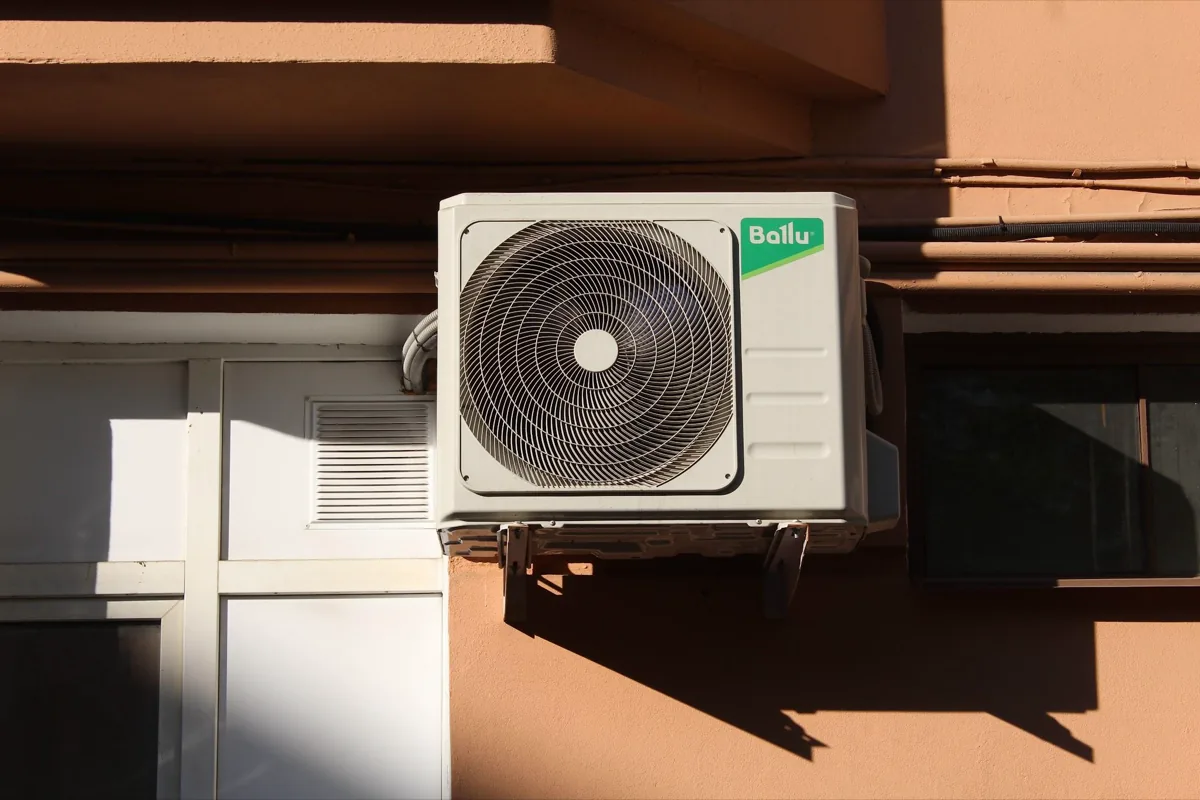
The condenser: the warning to take most seriously
Williams’ Australian operator manual states it plainly: a blocked condenser is the most common cause of compressor breakdown and equipment failure.
The condenser releases the heat the fridge removes from the cabinet. When it is coated in dust and kitchen grease, the system runs hotter, works longer, cools less and wears out its compressor. Many Williams cabinets have a flashing condenser light or a CL warning to prompt cleaning.
Clean the condenser as your operating manual describes, on a schedule, not only when the light comes on. In a busy commercial kitchen that is often monthly. It is the cheapest maintenance task on the cabinet and it protects the most expensive part. Our guide to Skope fridge fault codes makes the same point for that brand.
Food safety
A Hi alarm on a cabinet holding food is a stock decision as well as a repair. Food Standards Australia New Zealand identifies 5°C to 60°C as the temperature range where food-poisoning bacteria grow, with food safe for generally less than four hours in total in that range. Check product temperatures before deciding what to keep.
When to book
Book on E1 or E2, on a Hi alarm that persists with the door shut and the condenser clean, on a Lo alarm with the set point correct, and on a door alarm that won’t clear with the door closed.
Our commercial fridge repairs and commercial freezer and blast chiller service cover Williams across all five capitals, with priority scheduling for urgent commercial breakdowns, planned preventative maintenance built around condenser cleaning, and service reports with job photography. See our full range of commercial appliance repairs.
Call:
- Melbourne 03 9123 0548
- Sydney 02 9621 5988
- Brisbane 07 3166 9770
- Adelaide 08 7123 4027 or
- Perth 08 9470 4450
… with B2B office support until 6:30 PM weekdays. If the cabinet is still under Williams warranty, contact Williams first.
Frequently asked questions
What does E1 mean on a Williams fridge?
The air probe, which measures cabinet temperature, has failed. The compressor runs in a five-minute on and off fail-safe pattern until it is repaired. Call a service engineer.
What does E2 mean on a Williams fridge?
The evaporator probe has failed. Like E1, it needs a service engineer.
How do I stop the alarm on a Williams fridge?
Press any button to mute it. That does not fix the cause, and Hi or Lo alarms sound again after 60 minutes if the problem remains.
What does “do” mean on a Williams fridge?
The door has been open for five minutes or more. Shut the door and the alarm clears.
Why does my Williams fridge keep showing a high temperature alarm?
Most often a dirty condenser, a door that isn’t sealing, or the cabinet sitting in a hot spot. Williams names a blocked condenser as the most common cause of compressor failure.
The short version
On a Williams cabinet, E1 and E2 are failed probes and need a technician, though the fail-safe keeps some cooling going. Hi and Lo are temperature alarms: mute them, then find the cause. Do is the door.
And clean the condenser on a schedule, because Williams itself names a blocked condenser as the most common cause of compressor breakdown. National Appliance Repairs services Williams refrigeration nationally, with preventative maintenance programs. Enquire about commercial services or call your nearest office.
Sources to link at publish: Williams Refrigeration Australia, Operator and User Manual for standard upright and counter units · Williams Refrigeration, operating manual for cabinets and counters (williams-refrigeration.com.au) · FSANZ temperature control