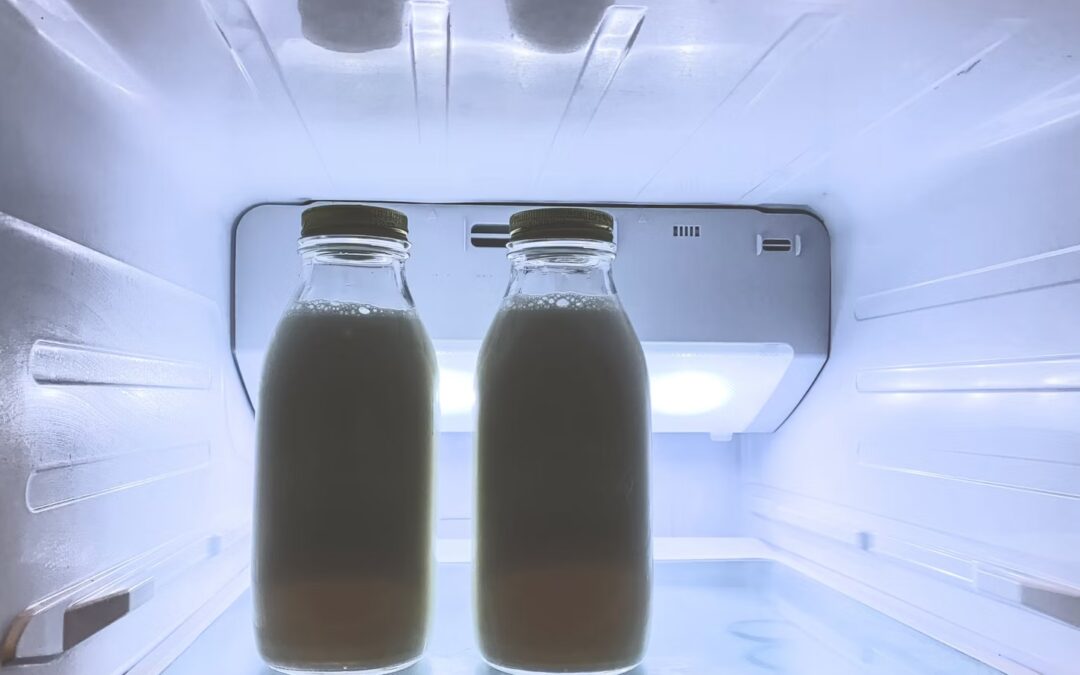
Your appliances do not need a direct lightning strike to die. Just a strike somewhere in the neighbourhood on a power line. The voltage spike travels down the grid, through your switchboard, along your wiring, and into whatever is plugged in. Milliseconds.
The repair bill? Not milliseconds.
South-east Queensland storm season is October through March. Intense storms. Lightning. Hail. Damaging winds. The kind of power events appliance techs in Brisbane know well. National Appliance Repairs sees a spike in fridge, washing machine, and oven repair calls after every major storm. Most of it could have been prevented.
What a Power Surge Actually Does
Appliances are built for stable voltage. In Australia, 230 volts, plus or minus 10%. A surge is a sudden spike above that. Sometimes thousands of volts for a fraction of a second.
That spike can fry modern appliances. The three most vulnerable parts: the control board, the compressor (fridges and ACs), and the motor drive electronics (washing machines and dishwashers). Control boards are the weakest link. They run on very low voltage. A spike that a motor ignores will kill a control board dead.
Two storm-related events cause most surge damage:
Lightning nearby: A strike on power infrastructure sends a massive voltage surge down the grid, which can kill multiple appliances at once.
Power comes back after an outage: Energex re-energises a section of the grid to restore service. However, for a very brief moment after the switch is flipped, the returning current can hit higher than normal before it settles. Appliances left plugged in and switched on take the full brunt of that surge. That is why post-blackout faults are so common -- the damage does not show up until the power is restored.
Which Appliances Are Most at Risk
Not all appliances are equally vulnerable. The more electronics an appliance contains, the more exposed it is.
High risk:
Refrigerators and freezers -- control boards manage compressor cycling, defrost timers, and temperature sensors; all are surge-sensitive
Washing machines and dishwashers -- modern units have sophisticated control boards managing motor drives, water levels, and cycle timing
Combination microwave ovens -- dense electronics in a compact unit
Moderate risk:
Electric ovens with digital control panels
Dryers with electronic moisture sensors
Air conditioners
Lower risk:
Older appliances with purely mechanical or analogue controls (no circuit board)
Simple resistive-load appliances (a basic toaster element, for example)
The clear pattern: the newer and more digitally controlled an appliance is, the more it stands to lose from a surge.
Understanding Surge Protection
Standard power boards? They do nothing.
This is the thing people get wrong all the time. A standard power board--even a nice one with a switch and six outlets--is just a multi-socket adapter. That is it. It has no protection. A surge comes in, it goes straight through to every appliance you have plugged in.
A real surge protector has MOVs inside. Metal oxide varistors. Fancy name, simple job. They absorb excess voltage and divert it safely to earth. You will see them rated in joules. That number is the total energy the device can absorb over its lifetime. More joules means more protection.
Here is what you should look for:
Basic stuff such as lamps and phone chargers: 500 to 1,000 joules is fine.
Computers, TVs, home office gear: Go 1,000 to 2,000 joules.
Fridges, washing machines, dishwashers: This is different. Standard strip protectors may not handle the big current surge when a motor kicks on. Look for purpose-designed appliance surge protectors.
Now, here is the catch. MOVs wear out. Every surge they absorb degrades them a little. A surge protector that took a significant hit might look brand new but offer zero protection on the next storm. Better quality units have an indicator light to tell you the protection is still working. But honestly, replace them every three to five years. Or after any major storm event. Cheap insurance.
Whole-house surge protection
The gold standard is a whole-house surge protection device. A licensed electrician installs it at your main switchboard. It catches surges at the point of entry before they can spread to your internal circuits. Then you still use point-of-use protectors for your really sensitive stuff. If you have multiple valuable appliances in your home, it is worth the investment.
Australia has a standard for this--AS/NZS 1768. It covers lightning and surge protection. But here is the thing. Surge protection is not mandatory. It is up to you to decide your risk and install what makes sense. If you live in a storm-prone part of south-east Queensland, the risk is real.
Protecting Appliances Before the Storm
Action
What It Does
Install point-of-use surge protectors on fridge, washing machine, dishwasher
Absorbs voltage spikes at the appliance level
Install whole-house surge protector at switchboard
First-line defence before surges reach internal circuits
Unplug sensitive appliances during severe storms
Eliminates surge risk entirely while unplugged
Check surge protector indicator lights are still active
Confirms protection circuitry hasn't been depleted
Replace surge protectors every 3--5 years
Prevents false confidence from depleted MOVs
Unplugging appliances during a severe storm warning is the most reliable protection available. It is inconvenient, but it is the only way to guarantee a surge cannot reach the appliance. For a fridge or freezer, brief unplugging during a storm is far less disruptive than a damaged compressor.
If you're leaving home during storm season, consider unplugging non-essential appliances before you go.
Signs of Surge Damage After a Storm
After power is restored following a Brisbane storm, inspect appliances before assuming all is well. Surge damage can manifest immediately or appear over days as stressed components begin to fail.
Here are a few signs to watch for:
An appliance that was working before the outage now doesn't start
A fridge or freezer that runs (compressor sounds normal) but doesn't cool
Washing machine or dishwasher that powers on but won't begin a cycle, or shows error codes it didn't show before
A burning or plastic smell from the rear of any appliance
A digital display that is scrambled, unresponsive, or showing unusual readings
An oven that won't reach temperature, or whose timer/clock has reset and won't respond
If multiple appliances were affected simultaneously, a significant surge event is very likely the cause. A technician's report documenting the nature of the fault will support any insurance claim for surge damage.
Insurance and Surge Damage
Surge damage caused by a lightning strike or storm event is generally covered under home and contents insurance policies as a listed peril. However, the policy wording matters -- some policies distinguish between direct lightning strikes and indirect grid surges, and coverage may vary accordingly. Check your Product Disclosure Statement.
Document everything: photograph affected appliances, note when the storm occurred and when symptoms appeared, and arrange a technician's assessment promptly. An itemised report stating the likely cause of the fault strengthens any claim considerably.
FAQ
Do I need a surge protector if my home has a modern switchboard?
Short answer: yes. A modern switchboard with circuit breakers and RCDs is great. It protects you from overloads and earth faults. But it does absolutely nothing for voltage spikes. Circuit breakers interrupt current flow. They do not absorb fast transient surges. You need point-of-use surge protectors as an extra layer. They work alongside your switchboard, not instead of it.
Can a fridge survive a power surge if I switch it off at the power point?
Yes. If you switch it off at the wall socket, no current can flow. The surge cannot get to the internal electronics. Switching off at the wall--not just pressing the appliance's own power button--is really effective protection during a severe storm. Takes two seconds.
My appliance seemed fine after the storm but stopped working two weeks later. Can that still be surge damage?
Absolutely. Surge damage can show up two ways. One, immediate failure. The appliance dies right then. Two, partial damage. Something gets weakened but keeps working for a while. Then it fails progressively over days or weeks. If your appliance failed in the weeks after a major storm and there is no other obvious cause, surge damage should be on the list of suspects.
Does a surge protector work for a fridge or washing machine, or only for smaller devices?
Standard power board surge protectors are designed for lower-wattage stuff. Phones, computers, TVs. They may not handle the inrush current of a fridge or washing machine motor kicking on. You can buy purpose-designed surge protectors for large appliances at electrical and hardware stores. Just check the wattage rating before you plug your fridge into one.
Does unplugging the fridge during a storm risk damaging it when I plug it back in?
No, you are fine. Modern fridges have built-in time-delay protection on the compressor. Briefly unplugging and replugging is not harmful. Just give it three to five minutes after you plug it back in before the compressor tries to restart. That lets the refrigerant pressure equalise. Reduces stress on the system. The fridge will handle the rest itself.
Conclusion
Brisbane's storm season is a predictable annual event, not an occasional surprise. Treating surge protection the same way you'd treat smoke detector testing -- a routine part of home maintenance done before summer arrives -- keeps your appliances safe through the worst the season brings.
If an appliance has already been damaged by a surge, we atNational Appliance Repairs can assess and repair across Brisbane and south-east Queensland. Call 1300 434 380 for same-day service where available.
Fresh milk doesn't last long, and a lot of it gets tipped down the drain before it's actually gone off. Australian households throw out a significant amount of dairy every week -- much of it still drinkable -- because the date on the carton is confusing, or because the milk wasn't stored as well as it could have been.
In this article from National Appliance Repairs, you’ll find a straightforward look at what those dates mean, how long different types of milk actually last, and what storage conditions make a real difference.
Fresh Pasteurised Milk: The Standard Carton
The milk most Australians buy week to week -- full cream, reduced fat, skim -- is pasteurised fresh milk. The use-by date on the carton is a safety date under FSANZ labelling rules, not a quality marker. Worth knowing the difference: use-by means stop there for safety reasons. Best-before means the quality is dropping but it's not necessarily a problem to drink.
Kept sealed in the fridge at or below 4°C, fresh pasteurised milk typically stays good for 12-14 days from processing (Dairy Food Safety Victoria). The carton date reflects that window.
Once you open it, 3--5 days is your real limit -- whatever the carton says. Every time it's opened, bacteria from the air get in and start the souring process faster.
Long-Life (UHT) Milk
UHT milk -- also sold as long-life milk -- gets heated to 140°C for two seconds during processing. That kills virtually all bacteria and microorganisms, which is why it sits on the shelf for so long.
Unopened, it keeps for six to nine months at room temperature. Open it and it goes in the fridge, where it's good for seven days. Australian UHT cartons have a use-by date on them, and Dairy Australia says to stick to it -- if it’s in a sealed carton, has no smell, then it doesn't matter.
How Different Types of Milk Compare
Type
Unopened (fridge or pantry)
After Opening
Notes
Fresh pasteurised (full cream, skim, reduced fat)
Until use-by date (typically ~12--14 days from processing)
3--5 days
Keep sealed; store at back of fridge
Lactose-free fresh milk
Until use-by date
3--5 days
Same storage as standard fresh milk
Fresh full cream (unhomogenised)
Until use-by date
3--5 days
Cream separates; shake before use
UHT / long-life milk (unopened)
6--9 months at room temperature
7 days refrigerated
Once opened, treat like fresh milk
A2 milk
Until use-by date
3--5 days
Same storage principles
Plant-based milks (oat, almond, soy -- UHT type)
Several months in pantry
7--10 days refrigerated
Check packaging; varies by brand
Fresh plant-based milks (refrigerated)
Until use-by date
7--10 days
Often have shorter shelf lives than dairy
What the Dates on Australian Milk Packaging Mean
Australian food labelling standards require fresh milk to carry a use-by date. This is a hard safety cut-off date, not a quality estimate.
Use-by date -- The last date the product is considered safe to consume. After this date, the product should not be sold or consumed regardless of appearance or smell. For fresh pasteurised milk in Australia, this is a genuine food safety date, not just a conservative guess.
Best-before date -- Some shelf-stable milk products carry a best-before date instead. This means the product is still safe to consume after this date, but quality (flavour, texture, nutritional content) may have declined. Long-life UHT milk may use either a use-by or best-before marking depending on the manufacturer.
When in doubt about which type of date is on your milk, look for the words "use by" or "best before" -- Australian labelling standards require the type of date to be clearly stated.
Where You Store Milk in the Fridge Matters
The back of the fridge is consistently the coldest part of the appliance. The door is consistently the warmest -- and the most subject to temperature fluctuation, because it's exposed to room temperature every time the fridge opens.
Milk stored in the fridge door experiences a mini-warming event multiple times a day. Over the course of a week, this accumulates. Moving the milk from the door shelf to the middle or back shelf of the main compartment is a small change with a real effect on how long it stays fresh.
The target fridge temperature for fresh milk is at or below 4°C. A fridge running at 6°C will cause milk to sour noticeably faster -- this is one of the more common reasons households find their milk going off before the use-by date. An inexpensive appliance thermometer will tell you whether your fridge is running at the correct temperature.
How to Tell If Milk Has Gone Off
Fresh milk's spoilage signs are usually reliable, unlike some other foods where contamination is invisible:
Smell: Soured milk has a sharp, acidic, distinctive odour. Fresh milk has a clean, faintly sweet smell. If in doubt, open the carton and take a careful sniff before pouring.
Texture: Fresh milk is uniform and smooth. Spoiled milk develops clumps, curds, or visible separation of solids. Even after shaking, curdled milk won't return to a smooth consistency.
Taste: Soured milk has a sharp, unpleasant flavour. A tiny taste test on the tip of the tongue will confirm it immediately.
Appearance: Fresh milk is opaque white. Spoiled milk may appear slightly yellowed, or have visible lumps.
Importantly, milk that has soured due to normal bacterial activity is not the same as milk contaminated with dangerous pathogens. The bacteria that cause milk to sour are generally not the ones that cause serious food-borne illness -- soured milk tastes unpleasant but is unlikely to make you seriously unwell. This is different from foods like cooked chicken where contamination is dangerous but invisible.
That said, do not consume milk that has passed its use-by date, regardless of how it looks or smells.
Can You Freeze Milk?
Yes. Fresh milk can be frozen for up to three months without significant safety concerns, though the texture changes on thawing -- the fat and protein components can separate, leaving the milk with a slightly grainy or watery texture. This separation doesn't affect safety or nutritional value, but it can make frozen-then-thawed milk less pleasant to drink straight. It works well in cooking, hot drinks, and baking where the texture change isn't noticeable.
Freeze milk in the original sealed container (leaving a few centimetres of headspace if the carton is nearly full, as liquid expands when frozen), or in a sealed freezer-safe container. Thaw in the fridge overnight and shake or stir vigorously before use.
FAQ
Can I drink milk one day after the use-by date?
In Australia, the use-by date on fresh milk is a food safety date, not just a quality indicator. Dairy Australia and FSANZ advise against consuming milk after its use-by date, as there is a risk of harmful bacteria growing to unsafe levels even if the milk looks and smells fine. The conservative approach is to treat the use-by date as a hard limit.
Why does my milk always go off before the use-by date?
The most common reason is fridge temperature. A fridge running at 6°C or above will cause fresh milk to sour significantly faster than one running at 3--4°C. Check your fridge temperature with an appliance thermometer and adjust if needed. The second most common cause is door storage -- moving milk to the back of the main compartment extends its life compared to the door shelf.
Does UHT milk need to go in the fridge before opening?
No. Unopened UHT milk is shelf-stable and does not require refrigeration. Once opened, it should be transferred to the fridge and consumed within seven days -- at which point it behaves like fresh milk.
Can I use milk that smells slightly sour in cooking?
Slightly soured milk (before it has fully curdled) can be used in baking -- its acidity reacts with bicarbonate of soda the same way buttermilk does, and the heat of cooking kills the bacteria responsible for souring. However, it should still be within its use-by date, and visibly curdled milk should not be used in any application.
Is organic milk handled differently for storage?
No. Certified organic fresh milk sold in Australia goes through the same pasteurisation process as conventional milk and follows the same use-by date rules. Some organic brands use extended-shelf-life processing techniques (closer to UHT but at slightly lower temperatures), which can give their fresh milk a longer use-by date than standard fresh milk -- but once opened, storage time and conditions are the same.
Conclusion
Fresh pasteurised milk should be used by its use-by date and consumed within 3 to 5 days of opening. UHT milk is shelf-stable for 6 to 9 months unopened and 7 days after opening. In both cases, a fridge running at or below 4°C -- and ideally 3°C -- is the key to reaching those full storage times.
If your milk consistently goes off before the use-by date and your fridge is set to a cold dial position, it's worth measuring the actual temperature with an appliance thermometer. If the fridge is running warm due to a mechanical fault, we atNational Appliance Repairs carry outfridge repairs across Australia. Call 1300 434 380 for a same-day assessment.
If you have spent any time in Unley, Norwood, Prospect, Goodwood, or Fitzroy, you know the type of kitchen we're talking about. High ceilings. Pressed metal details. A laundry that was tacked on sometime in the 1970s to a house that was built in the 1890s. A kitchen that got modernised once, maybe twice. But you can still see the original stone or brick bones through whatever got plastered over them.
These are some of the most characterful homes in South Australia. They are also, from an appliance servicing perspective, some of the most interesting to work in. Not because they are difficult exactly. But because the combination of old bones and modern equipment creates situations that do not come up in a ten-year-old double-brick suburban house.
We at National Appliance Repairs service appliances right across Adelaide, and our technicians are well-acquainted with the inner suburbs. Here is a practical guide to what owners and renters in older Adelaide homes should know about keeping appliances running well.
The Housing Stock: What You're Working With
Adelaide's inner suburbs have some of the densest collections of pre-Federation and Federation-era housing in the whole country. Here is what you tend to find:
Stone cottages and villas: Built from the 1840s through to the 1890s. Bluestone or limestone rubble walls. You see them everywhere in Norwood, Fitzroy, Unley, Hyde Park, and parts of Prospect: Small footprints. Low ceilings in the original sections. Usually got a later addition tacked on the back. Laundries were either outbuildings or enclosed lean-tos. Good luck fitting a modern washing machine in some of them.
Victorian and Federation homes: Roughly 1890s to 1915. Larger. Often double-fronted. More decorative detailing--bullnose verandahs, return verandahs, decorative iron lace. The kitchen and laundry areas were usually added in later decades. Often replacing whatever was at the back originally. That is where things get interesting.
Edwardian and Bungalow styles: 1910s to 1930s. More common in Prospect, Kensington Park, Fullarton, and Goodwood. Wider blocks than the earlier terraces. More of the original rear areas survive intact. But they have still been through decades of additions and modifications.
The thing about these homes is that they typically have undergone several renovations. The result is rarely a nice, coherent upgrade. It is a layering of different decades' solutions. Each layer solved a problem for the people at the time. And each layer created constraints for whoever came next. That next person is often us, trying to figure out where to put a new dishwasher.
The Kitchen: Space and Power Constraints
Limited bench space and awkward appliance niches
Inner suburb Adelaide kitchens were not designed for 90cm freestanding ovens or large double-door fridges. Original kitchen footprints in stone cottages can be remarkably small -- 3 to 4 square metres before any appliances are placed.
When an oven or cooktop is replaced in these homes, the new appliance often needs to match the existing cavity dimensions very closely. A 60cm oven is the standard, but the surrounding joinery or stone walls may limit depth, and there's rarely room to widen the opening without a significant renovation.
Before replacing any built-in appliance in an older Adelaide kitchen, measure the cavity depth, width, and height precisely -- and include the connections. In stone-walled homes, the wall behind the oven cavity is often original stone: you can't easily shift it, and ovens that run deeper than the existing space won't fit.
Electrical circuits
Older Adelaide homes were often extended piece by piece, with each renovation tacking on new circuits that worked at the time. Very few homeowners would think about the overall switchboard capacity. Take an inner suburb stone cottage that got a kitchen in the 1980s. There might be one circuit running the oven, the rangehood, and every power point on that wall.
Since a modern oven draws more current than an old one, the underpowered circuit would trip over and over. A nuisance aside, it would put undue stress on your oven. You need a licensed electrician to upgrade the breaker or add a dedicated circuit.
Under the Electrical Safety Act 1998 (SA), all prescribed electrical work in South Australia must be performed by a licensed electrician, and a Certificate of Compliance is required for any new circuit installation.
The Laundry: Adelaide's Rear-Addition Problem
The laundry in most older Adelaide inner-suburb homes was retrofitted. The original house had no indoor laundry -- washing was done in a copper out the back. When indoor laundries became standard, they were typically added as lean-tos or incorporated into rear renovations, with the space available determining the result.
In practice this means:
Narrow, awkward spaces where standard appliance widths barely fit
Plumbing connections in unexpected locations, often not centred on the available wall space
Low ceiling heights in lean-to additions that preclude stacking a dryer on top of the washing machine
Concrete or unlevel tile floors in older lean-to additions that make washing machine levelling difficult
Drainage at floor level rather than through the wall, which affects which machines connect cleanly
When a washing machine or dryer in one of these spaces needs replacing, measure not just the machine dimensions but the doorway into the laundry -- standard 60cm washing machines have come through 620mm openings, but that's cutting it close, particularly if the door frame has been through repairs and is no longer perfectly square.
Hard Water and Appliance Longevity in Adelaide
Any appliance that uses water in Adelaide's inner suburbs is fighting the same hard water problem as the rest of the metro area -- and in some cases worse, because the older the pipes, the more accumulated scale can be introduced into the water supply within the home itself.
For dishwashers, simply keep the salt reservoir filled, set the hardness level correctly, and descale every three to four months.
For washing machines, Adelaide's mineral-rich water contributes to faster-than-average limescale build-up in the drum, the pump, and the internal hoses. Running a hot descale cycle every two to three months slows this considerably. In homes with particularly hard water, a plumber-installed inline filter can reduce the mineral load reaching the machine.
Access for Appliance Technicians in Older Homes
Most inner suburb Adelaide homes don't have the access complications of a multi-storey apartment tower, but they can have their own quirks:
Narrow side passages between homes are common in terrace-style properties and older cottages on small blocks. A technician bringing replacement parts or removing a large appliance may need to negotiate a 700mm passage.
Original stone or brick steps at rear entries can complicate appliance movement. A slight lip that's charming architecturally becomes a real problem when you're trying to wheel out a top-loader on a trolley.
Laundries accessible only through the kitchen require clearing a clear path through what is often the most cluttered room in these older homes.
None of these are significant obstacles -- they're just worth knowing about. When you call to book a repair, mentioning that access requires navigating a narrow side passage or that the laundry is only accessible through the kitchen lets the technician plan appropriately and bring the right equipment.
Common Faults We See in Older Adelaide Homes
Fault
Typical Cause in Older Homes
Oven tripping the circuit
Older circuit undersized for current oven draw
Washing machine vibration on timber floor
Uneven floorboards; flex under spin load
Dishwasher not cleaning well
Hard water scale in spray arms; salt reservoir empty
Fridge running warm in summer
Condenser coils against a stone wall with no airflow
Washing machine slow to drain
Limescale-narrowed hoses; blocked filter
Dryer not drying efficiently
Low ceiling preventing heat exhaust; vent blocked
FAQ
My oven keeps tripping the circuit breaker in my old Adelaide cottage -- is it the oven or the wiring?
Both are possible. A single trip on first use of a new oven often indicates an older circuit that isn't sized for the new appliance's draw. An electrician can assess the circuit. Repeated tripping with an established oven suggests either a fault in the oven (a shorted element is common) or a deteriorating circuit connection -- again, the electrician should look first, then the appliance technician if the circuit checks out.
Can a standard washing machine be installed in a lean-to laundry with a concrete floor?
Yes, though concrete can be uneven in older lean-tos, and proper levelling of the machine's feet is particularly important on a hard floor -- unlevel machines vibrate excessively and develop drum bearing problems faster. Adjustable anti-vibration feet or a rubber mat under the machine also help.
Do older Adelaide homes have specific compliance requirements for new appliance installations?
New circuit work requires a licensed electrician and a Certificate of Compliance under SA legislation regardless of the age of the home. For gas appliances, work must be done by a licensed gasfitter under the Gas Act 1997 (SA). The age of the home doesn't change these requirements.
My stone cottage has very thick walls -- does this affect appliance installation or venting?
It can affect dryer venting in particular. Running a vent duct through a 400mm stone wall is possible but requires core drilling and appropriate flashing. For homes where external venting is difficult, a condenser or heat pump dryer (which doesn't require an external vent) is often a more practical choice.
I've bought a character home in Prospect/Norwood/Unley and want to upgrade the kitchen appliances. Where do I start?
Start with measurements -- actual cavity dimensions, not the previous appliance's stated dimensions. Measure depth as well as width and height, and check what's behind the existing appliances (stone, brick, or timber frame determines what modification is possible). Have an electrician assess the kitchen circuits before buying a new oven, especially if you're upgrading from a smaller model to a 90cm unit. Then call us to discuss options.
Conclusion
Adelaide's older inner suburbs are full of homes that reward thoughtful ownership. The appliances in them need the same care -- matched to the specific constraints of the space, maintained for hard water conditions, and serviced by technicians who know what to expect.
We atNational Appliance Repairs service all major appliance brands across Adelaide's inner suburbs and beyond. If you're dealing with a fault in a Norwood cottage, a Prospect bungalow, or a Unley villa, call 1300 434 380 and we'll work around whatever the home presents.
Most people set the freezer once and assume it's working as long as the ice cream stays solid. But there's a difference between "frozen" and "frozen correctly" -- and if your freezer is running at -10°C instead of the recommended -18°C, your food is technically frozen but losing quality, developing freezer burn faster, and not being stored safely for the shelf lives most guides recommend.
Getting the freezer temperature right is one of those small adjustments with a genuinely large impact on food quality, energy use, and how long the appliance itself lasts. AtNational Appliance Repairs, we service chest freezers, upright freezers, and fridge-freezer combinations across Australia. The right temperature is straightforward -- here's what you need to know.
The Recommended Freezer Temperature in Australia
Your freezer should sit at -18°C or colder. That's the standard from CHOICE Australia, and it matches what food authorities use worldwide.
At -18°C, a few things happen. Bacteria stop multiplying (they're not killed at freezer temps, just put on pause). Enzyme activity that breaks down quality slows way down. Food keeps its nutrition, texture, and flavour for as long as the recommended storage periods say it should.
Healthdirect Australia says -15°C is the bare minimum for food safety, but -18°C is where you want to be for the best results.
Why -18°C, Not Just "Whatever Freezes Things"
Food begins freezing at 0°C, but the process continues down to much colder temperatures. Ice cream, for example, only fully freezes at around -15°C -- which is why ice cream can feel soft and scoopable even in a freezer that's technically operating, if that freezer is only reaching -10°C or -12°C.
At -10°C:
Many frozen foods are solid but not fully frozen
Enzymatic reactions continue at a low but meaningful rate, degrading quality faster
Freezer burn (surface dehydration and oxidation) develops more quickly
Recommended frozen storage times are significantly shorter
At -18°C:
Water in food is essentially fully frozen throughout
Quality degradation is very slow
Recommended storage times (3 months for most cooked meals, 6--12 months for raw meat depending on type) are achievable
Running a freezer warmer than -18°C doesn't make the food unsafe immediately, but it does mean the food deteriorates faster and the storage guidelines on packaging no longer apply.
How to Check Your Freezer Temperature
Most domestic freezer controls use a numbered dial or slider rather than a direct temperature display. To find the actual temperature, you need a freezer thermometer -- they cost a few dollars at any kitchenware or hardware retailer.
Place the thermometer inside the freezer and check it after the freezer has been closed for at least eight hours. The reading should be -18°C or colder. If it's above -15°C, adjust the thermostat to a colder setting, wait another eight hours, and check again.
For combination fridge-freezers, adjusting the freezer temperature setting can sometimes affect the fridge section, depending on how the cooling system is configured. Check both compartments after any adjustment.
Freezer Temperature by Food Type
Food Category
Maximum Recommended Storage at -18°C
Notes
Raw beef, lamb (whole cuts)
6--12 months
Quality degrades before safety concern arises
Raw minced beef
3--4 months
Higher surface area means faster quality loss
Raw poultry
9--12 months
Keep in airtight packaging to prevent freezer burn
Raw pork
4--6 months
Raw seafood
2--3 months
Best frozen fresh; quality drops faster than meat
Cooked meals (soups, stews, casseroles)
2--3 months
Label with date before freezing
Bread and baked goods
2--3 months
Vegetables (blanched)
8--12 months
Blanching before freezing preserves colour and texture
Ice cream
2--3 months (after opening)
Soft-serve or hard ice cream -- store away from door
These timelines assume the food is stored at a consistent -18°C in appropriate packaging. Food stored at warmer temperatures will deteriorate faster.
Common Reasons a Freezer Isn't Cold Enough
If your thermometer confirms the freezer is running warm, work through these in order:
Start with the thermostat. Dial it toward colder and wait a few hours to see if it helps.
Check the door or lid seal. On uprights, a worn gasket is a common culprit -- warm air sneaks in. On chest freezers, close the lid and look for gaps.
Look for frost build-up. Manual-defrost models can get caked with frost on the inside walls. This frost acts as insulation, so cold can't reach the food even though the compressor is running overtime. Defrost it regularly and you'll fix this.
If you have a frost-free model, don't overpacking it. Stuff it too full and you block airflow to the evaporator fan, which causes uneven freezing and warm spots.
If you've checked all that and the freezer's still warm, you likely have a compressor or refrigerant problem -- a leak, a failing compressor, or a faulty thermostat. Call a technician at this point.
Freezer Burn: What It Is and How to Prevent It
Freezer burn is the greyish-white, dry, papery patches that appear on frozen food -- particularly meat, poultry, and ice cream -- after extended storage. It's caused by moisture migrating from the food to the cold air in the freezer and depositing as ice crystals on the food's surface, leaving the food dehydrated and oxidised.
Freezer-burned food is safe to eat but significantly degraded in texture and flavour. Prevention:
Store food in airtight, freezer-rated packaging or sealed freezer bags with as much air removed as possible
Don't leave partially used bags loosely closed in the freezer
Maintain a consistent -18°C -- warmer temperatures and temperature fluctuations accelerate freezer burn
Use food within the recommended storage times
Defrosting Your Freezer
Manual-defrost freezers accumulate frost over time and need periodic defrosting to maintain efficiency. The general guide is to defrost when frost build-up reaches about 6mm thickness.
A heavily frosted freezer:
Runs its compressor more frequently and for longer, using more electricity
Has reduced usable internal space
Maintains temperature less effectively -- internal temperature rises as frost accumulates
For frost-free freezers, automatic defrost cycles run periodically without requiring manual intervention. If a frost-free freezer is developing heavy frost, the defrost heater, defrost thermostat, or defrost timer may have a fault.
FAQ
What is the minimum safe temperature for a freezer in Australia?
Healthdirect Australia advises -15°C as the minimum for frozen food safety. -18°C is the recommended target for optimal quality. Running a freezer between -15°C and -18°C is technically above the recommended target but not immediately unsafe -- food will simply deteriorate faster than the storage guides assume.
My freezer dial goes from 1-5. What number should I use?
Higher numbers mean colder temps, but your dial doesn't show actual temperatures. Set it to the highest (coldest) setting, then measure with a thermometer after 8 hours. If it reads below -22°C, dial back slightly. You're aiming for -18°C.
Can food that thawed during a power outage be refrozen?
Only if it still has ice crystals throughout, or you've confirmed the temperature stayed at 0°C or below. If it's fully thawed, cook it right away or throw it out. Refreezing thawed food that's been in the danger zone risks food poisoning.
Why does my ice cream stay soft even though the freezer seems to be running?
Ice cream gets noticeably soft above -15°C. If yours is consistently soft and easy to scoop, the freezer's probably running between -10°C and -14°C. Use a thermometer to check, look at your thermostat setting, and inspect the door seal. A compressor struggling in a hot garage during summer can also cause this.
Does it cost more to run the freezer colder?
Slightly -- each degree colder uses a bit more energy. But a clean, properly sealed freezer at -18°C usually costs less overall than a poorly maintained one at -12°C. The neglected freezer has to run its compressor more often to make up for dirty coils, frost buildup, or a bad door seal.
Conclusion
-18°C is the target and it's worth confirming with a thermometer at least once a year. Most freezer temperature problems have a simple cause -- a thermostat setting, a frost build-up, or a worn door seal -- and are straightforward to resolve.
If a freezer is consistently failing to reach or hold -18°C despite correct settings and a clean seal, the compressor or refrigerant system may need attention. We atNational Appliance Repairs repair freezers and fridge-freezer combinations across Australia. Call 1300 434 380 for a same-day assessment.
Two compartments in your dishwasher rarely get the attention they deserve: the salt reservoir and the rinse aid dispenser. Most households fill them on purchase -- or never fill them at all -- and leave the settings at whatever the delivery person configured. But using both correctly, with the right settings for your water hardness and usage, makes a genuine difference to how clean your dishes come out and how long the machine lasts.
This article covers the practical steps for both. For a deeper explanation of what dishwasher salt is and why it matters, see our article on what dishwasher salt is and whether you need it.
AtNational Appliance Repairs, our technicians regularly see the effects of salt and rinse aid misuse on dishwasher internals. Hard water scale on heating elements, blocked spray arm holes, and persistent cloudy glassware are almost all preventable with the right maintenance habits.
Part 1: Dishwasher Salt
What you'll need
Dishwasher salt (available at any Australian supermarket in the cleaning products aisle)
The funnel that came with your dishwasher (usually stored inside the machine)
A cloth or paper towel
Your dishwasher's manual (to confirm the location of the reservoir and any hardness settings)
Locating the salt reservoir
Remove the lower rack from the dishwasher. The salt reservoir is a round compartment in the floor of the machine, usually towards the front left or centre, with a screw-top cap -- often marked with an "S" icon or the word "salt". In some machines the indicator light on the control panel will tell you when the reservoir is low; in others you need to check manually.
Filling the reservoir
Unscrew the cap counterclockwise and set it aside. Note that the reservoir is filled with water -- this is normal. The water is how the salt creates the brine solution used during regeneration.
Place the funnel (included with most machines) into the opening. If you've lost the funnel, a small plastic kitchen funnel works. A steady hand and slow pouring also works for experienced users.Pour in the salt. Fill until you can see salt just below the top of the opening -- don't overfill. Most reservoirs hold approximately 1 to 1.5 kg. Some water will overflow as salt displaces it; this is normal.
Wipe the threads around the reservoir opening before replacing the cap. Any salt sitting on the threads will corrode them over time, making the cap progressively harder to remove.
Screw the cap back on firmly -- but do not overtighten it. It only needs to be hand-tight.
Run a short cycle immediately before loading any dishes. Salt that has spilled into the machine's base can leave a salty residue on dishes in the next wash. A short rinse cycle flushes this away.
Setting the water hardness level
Most dishwashers with a built-in softener let you dial in your local water hardness, which tells the machine how often to run a regeneration cycle. Too low and the softener can't keep up -- scale forms. Too high and you're just burning through salt.
You'll find the setting either on a dial inside the salt reservoir compartment or somewhere in the digital menu. Check your manual if you're not sure where.
To set it right, you need your water hardness in milligrams per litre (mg/L) or degrees of hardness (°dH). Your water authority publishes this:
Once you have the hardness figure, match it to the scale in your machine's manual and set accordingly. Most Adelaide and Perth households will need a mid-to-high hardness setting. Sydney and Melbourne households are typically at the lower end.
Water hardness reference guide for dishwasher settings:
Water Hardness (mg/L as CaCO₃)
Approximate °dH
Setting Guidance
Below 60 mg/L
Below 3.4°dH
Soft water -- lowest setting; salt may barely be needed
60--120 mg/L
3.4--6.7°dH
Moderately hard -- mid setting; salt needed (most of Adelaide, Perth metro)
120--180 mg/L
6.7--10°dH
Hard water -- higher setting; frequent top-ups
Above 180 mg/L
Above 10°dH
Very hard -- highest setting; check monthly
How often to top up
In most Australian households using the dishwasher daily:
Soft water areas (Melbourne, Sydney): every two to three months
Moderate hard water (Adelaide metro, Perth metro): monthly or close to it
Hard water areas (some regional WA, regional QLD): potentially fortnightly
The indicator light, if your machine has one, is the most reliable guide. If the machine has no indicator, check the reservoir monthly as a starting habit and adjust frequency based on how quickly it empties.
Part 2: Rinse Aid
What rinse aid does
Rinse aid is a surfactant -- it reduces the surface tension of water, causing it to sheet off dishes and glassware in thin, even films rather than forming water droplets. Droplets dry and leave mineral spots; sheeting water evaporates cleanly. In hard water areas, where every drop of water carries dissolved minerals, this difference in drying behaviour has a large effect on the final appearance of glassware and cutlery.
Rinse aid also speeds up the drying cycle by promoting faster water runoff, reducing drying time and energy use.
Locating the rinse aid dispenser
The rinse aid dispenser is built into the inside of the dishwasher door, usually next to the detergent compartment. It has a small circular or rectangular cap, often marked with a wave or sun icon. Many machines have a small window in the cap that allows you to see the rinse aid level without opening it.
Filling the dispenser
Open the dispenser cap -- it usually lifts or twists open rather than unscrewing.
Pour rinse aid slowly into the opening. Most dispensers hold around 150--200ml. Fill until the level indicator (if present) shows full, or until rinse aid just reaches the base of the opening -- do not overfill.
If any rinse aid spills onto the door or into the machine, wipe it up immediately. Spillage can cause excessive foaming during the next wash cycle.
Close the cap firmly.
Setting the dosing level
The rinse aid dispenser has an adjustable dosing dial -- typically numbered 1 to 6, with higher numbers delivering more rinse aid per cycle. The correct setting depends on your water hardness:
Soft water: setting 2--3
Moderately hard water (most of Adelaide, Perth): setting 4--5
Hard water: setting 5--6
If you see spots or cloudiness on glassware after washing, increase the dosing setting by one step and test over a few cycles. If you see rainbow streaks or a sticky film on dishes (over-dosing), reduce the setting by one step.
How often to refill
With daily dishwasher use and a mid-range dosing setting, the rinse aid dispenser typically needs refilling every four to eight weeks. The indicator window on the cap changes colour when the level is low; many machines also have an indicator light on the control panel.
Using Salt and Rinse Aid Together
Salt and rinse aid aren't interchangeable -- they do completely different things.
Salt works at the start, softening the water before it hits the wash cycle. That reduces mineral load across the whole wash and protects the machine's internal components.
Rinse aid works at the end, helping water sheet off dishes during the final rinse so they dry without spots.
In moderate-to-hard water, you need both. One without the other means either scale damage or spotty glasses.
Common Mistakes to Avoid
Never put dishwasher salt in the detergent compartment. Salt is highly concentrated and can corrode the stainless steel interior if it sits directly in the wash water without being diluted through the softener system.
Never use table salt as a substitute. Fine grain size, added iodine, and anti-caking agents make it unsuitable and potentially damaging to the softener resin.
Never put rinse aid in the salt reservoir. They go in separate compartments for good reason.
Don't skip the post-fill rinse cycle. Always run a short cycle after filling the salt reservoir to flush any spilled salt from the machine.
Check both indicators monthly rather than waiting for problems to appear on your dishes.
FAQ
The salt indicator light is on even though I just filled the reservoir -- why?
The sensor measures brine concentration, not whether salt is present. After filling, the salt needs time to dissolve and build up a strong enough brine solution for the sensor to register. Run a cycle or two and the light should go off.
Do I need rinse aid if I use all-in-one tablets?
In soft water, the rinse aid in the tablet is usually enough. In moderately hard water -- which covers most of Adelaide, Perth, and parts of other capitals -- it often isn't, and you'll see spots and film on glassware. Fill the dispenser and set it to a lower dose.
My dishwasher manual asks for a hardness setting but I don't know my water hardness -- where do I find it?
Your local water authority publishes annual water quality reports online. Search "[your city] water hardness" or go directly to your supplier's website. SA Water, Sydney Water, Melbourne Water, Water Corporation (Perth), and Seqwater (South-East Queensland) all publish this data.
Can I leave the salt reservoir empty if I have a whole-house water softener?
If your softener is delivering genuinely soft water to all taps, the dishwasher may not need salt at all. Set the hardness to the lowest level and confirm with a water hardness test kit at the tap.
How long does a bag of dishwasher salt last?
A 2 kg bag at mid-level hardness with daily use lasts roughly two to four weeks in a hard water area like Adelaide, or two to three months somewhere with softer water. In hard water areas, buying in bulk makes more sense.
Conclusion
Using dishwasher salt and rinse aid correctly is a small investment of time and attention that pays back in cleaner dishes, better-looking glassware, and a longer-lasting dishwasher. Set the hardness level once based on your local water supply, develop a habit of checking the indicators monthly, and the rest takes care of itself.
If your dishwasher has developed a fault -- poor cleaning, blocked spray arms, a heating element failure from scale damage -- we atNational Appliance Repairs repair dishwashers across Australia. Call 1300 434 380 for a fast, same-day assessment in most metro areas.