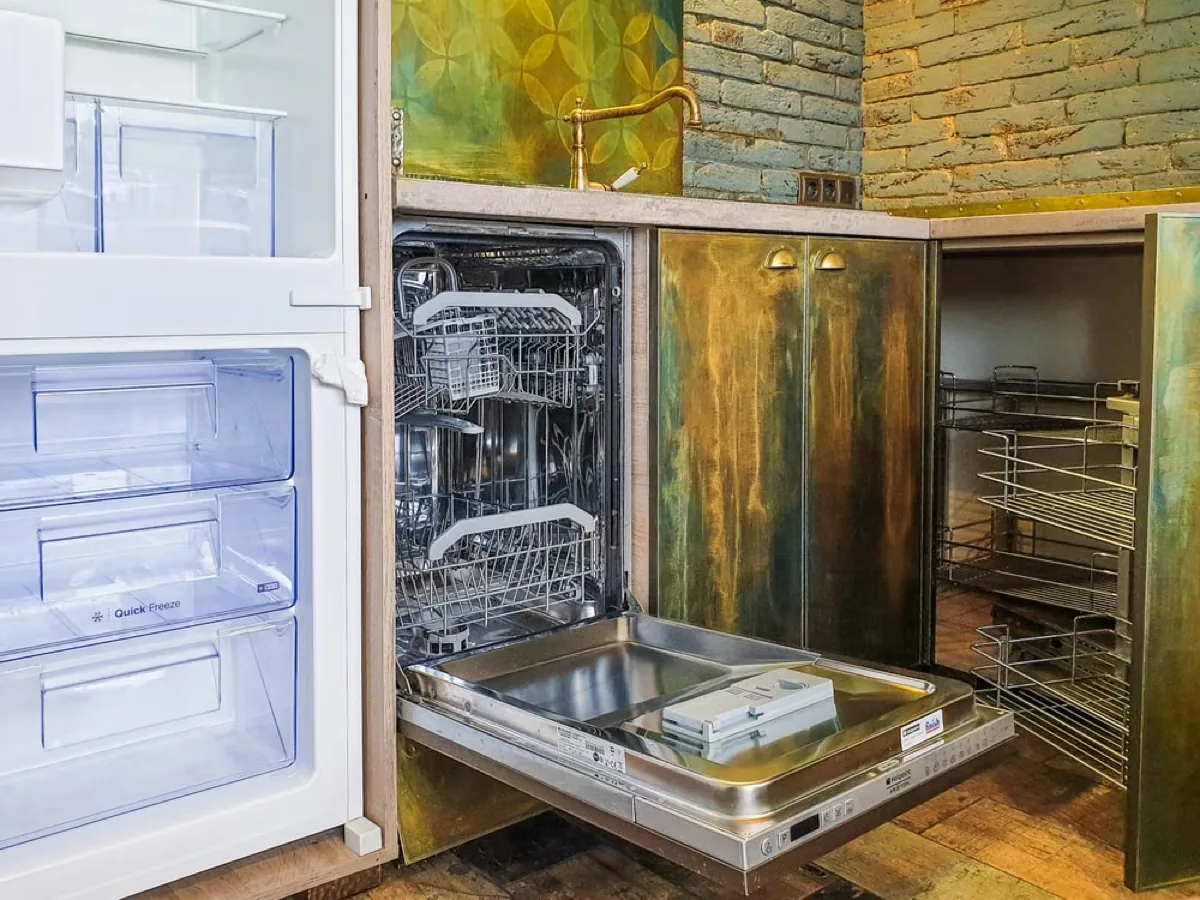
Opening the dishwasher and getting hit with a smell that’s somewhere between rotting food and stagnant water isn’t just unpleasant, it usually means that smell is transferring onto your actually clean dishes too. The good news is that the vast majority of dishwasher odour comes down to a small handful of causes, and most of them are a straightforward clean rather than a repair.
Here’s what’s actually going on and how to sort it out properly.
The Filter Is the Most Likely Culprit
Modern dishwashers, generally anything made in the last 15 years or so, use a manual-clean filter at the bottom of the tub rather than the old self-grinding systems older machines used. It’s an effective design, but it depends on someone actually removing and rinsing it periodically, and a huge number of people don’t know it’s there at all.
Food particles get trapped in the filter during every single wash. Left long enough in a warm, wet environment, that trapped food starts to decompose, and the smell ranges from faintly stale to genuinely rotten depending on how long it’s been sitting there. Pull the filter out from the bottom of the tub, usually with a twist-and-lift motion, though it’s worth checking your manual if you’re not sure. Rinse it thoroughly under hot water, and for heavier build-up, scrub with an old toothbrush or soak it in warm water with a few tablespoons of white vinegar or baking soda first.
Other Common Sources
Standing water in the tub
If water isn’t draining fully after a cycle, even an inch or so sitting at the bottom, it stagnates and starts to smell sour or musty. This is often caused by the same clogged filter, but a kinked or improperly installed drain hose is worth checking too.
Grease and soap scum build-up
Much like a shower, dishwashers build up a layer of soap scum over time, and that scum acts as a magnet for food particles, making the whole problem worse. This tends to show up as a general staleness rather than an obvious rotting smell.
Mould or mildew around the door gasket
The rubber seal around the door traps moisture, and moisture plus organic residue is exactly what mould needs. A musty smell, similar to damp cardboard, is the usual sign.
Blocked spray arms
Food debris can lodge in the small holes of the spray arms, and beyond reducing how well your dishes get cleaned, trapped debris here can also contribute to lingering odour.
A serious drain blockage
If the smell is more like sewage than food, that points to something more significant further down the drain line rather than anything inside the tub itself, and it’s usually accompanied by poor drainage or standing water that doesn’t clear even after a full cycle.
How to Clean It Properly
Start with the filter, since it resolves the majority of cases on its own. Remove it, rinse thoroughly, and soak in warm soapy water with a splash of vinegar if there’s stubborn build-up. While it’s out, check the sump area underneath for any trapped food or debris.
Next, wipe down the door gasket and the door edges with warm, soapy water, paying particular attention to the folds and grooves where grime tends to hide. A cloth dipped in vinegar or a mild mildew cleaner works well if there’s visible mould.
Check the spray arms next. Most simply lift off, and you can rinse them under running water and use a toothpick or similar to clear any blocked holes.
Finally, run an empty hot cycle with a dishwasher cleaner, or place a cup of white vinegar in a dishwasher-safe container on the top rack and run a full hot cycle with no dishes. This helps break down any remaining grease film on the tub walls and gives everything a final rinse through.
Quick Reference Table
| Symptom | Likely Cause | Fix |
|---|---|---|
| Rotting food smell | Food debris trapped in the filter | Remove and clean the filter |
| Musty, damp cardboard smell | Mould or mildew on the door gasket | Clean the gasket with vinegar or mildew cleaner |
| Sour smell, water visible at the bottom | Poor drainage, standing water | Check filter and drain hose |
| General staleness, not obviously rotten | Grease or soap scum build-up | Run a hot cycle with vinegar or a dishwasher cleaner |
| Sewage-like smell | Drain line blockage further downstream | Worth a technician’s assessment |
Preventing It From Coming Back
- Scrape food off plates before loading rather than relying on the dishwasher to handle large scraps, which is what fills the filter up fastest
- Clean the filter on a regular schedule, roughly monthly for most households, more often if you run the dishwasher daily
- Avoid overstacking the racks, since dishes packed too tightly block water and detergent from reaching everything properly
- Run an occasional empty cycle with a dishwasher cleaner as routine maintenance rather than waiting for a smell to show up
- Leave the door slightly ajar after a cycle finishes so the interior can air dry rather than sitting closed and damp
When It’s More Than a Cleaning Job
If you’ve cleaned the filter, the gasket, and the spray arms and the smell is still there, particularly if it’s a sewage smell rather than food or mustiness, that usually points to a drainage issue further along the line rather than anything inside the dishwasher itself. If your dishwasher is also leaving standing water or draining slowly, it’s worth reading our guides on Miele dishwashers that won’t drain, Westinghouse and Asko dishwashers that won’t drain, or common faults with Smeg and Bosch dishwashers, depending on your brand, since drainage problems and persistent smells often go hand in hand.
National Appliance Repairs technicians work on dishwasher repairs across all major brands, and can quickly tell whether a smell is a cleaning issue or something further down the drain line that needs proper attention. Every repair comes with a 12-month parts warranty and 3-month labour warranty.
Frequently Asked Questions
Why does my dishwasher smell bad even though the dishes come out clean?
The smell usually comes from food debris trapped in the filter, the sump, or the door gasket, none of which necessarily affect how clean your dishes look. It’s a maintenance issue rather than a sign the dishwasher isn’t working properly.
How often should I clean my dishwasher filter?
Roughly once a month for most households is a reasonable routine, more often if you run the dishwasher daily or often wash particularly greasy or food-heavy loads.
Is it normal for a small amount of water to sit at the bottom of the dishwasher?
A small amount around the drain area is generally normal on many models. Water sitting an inch deep or more, or that doesn’t clear after a full cycle, points to a drainage problem worth investigating.
Can I use vinegar and baking soda instead of a commercial dishwasher cleaner?
Yes. Both work well for routine odour control and light grease removal. For mould specifically, a dedicated mildew cleaner or diluted bleach solution on the gasket is more effective.
When does a smelly dishwasher need a technician instead of a clean?
If you’ve cleaned the filter, gasket, and spray arms and the smell persists, especially if it’s a sewage smell, that usually points to a drain blockage further along the line rather than anything a clean will fix.
The Bottom Line
Most dishwasher smells come down to a dirty filter, and cleaning it takes about five minutes and solves the majority of cases outright. If you’ve worked through the gasket and spray arms too and it’s still not right, get in touch with National Appliance Repairs or call 1300 434 380 for a same-day assessment, subject to availability, across Melbourne, Sydney, Brisbane, Adelaide, and Perth.
Call Us:
or leave a message using the form below