

Your washing machine cleans clothes but leaves white spots on dark fabrics. Your dishwasher runs but dishes come out cloudy and spotted.
Welcome to Brisbane’s hard water problem. It’s not your appliances failing. It’s not your detergent. It’s the water itself.
Brisbane’s water supply is hard. Not as hard as some areas, but hard enough that you’ll notice effects if you’re paying attention. And if you’re not paying attention, hard water silently damages your appliances.
What Hard Water Actually Does
Hard water contains dissolved minerals — mainly calcium and magnesium. These minerals don’t dissolve in hot water. They precipitate out. They stick to surfaces. They build up inside pipes, pumps, heating elements, and spray arms.
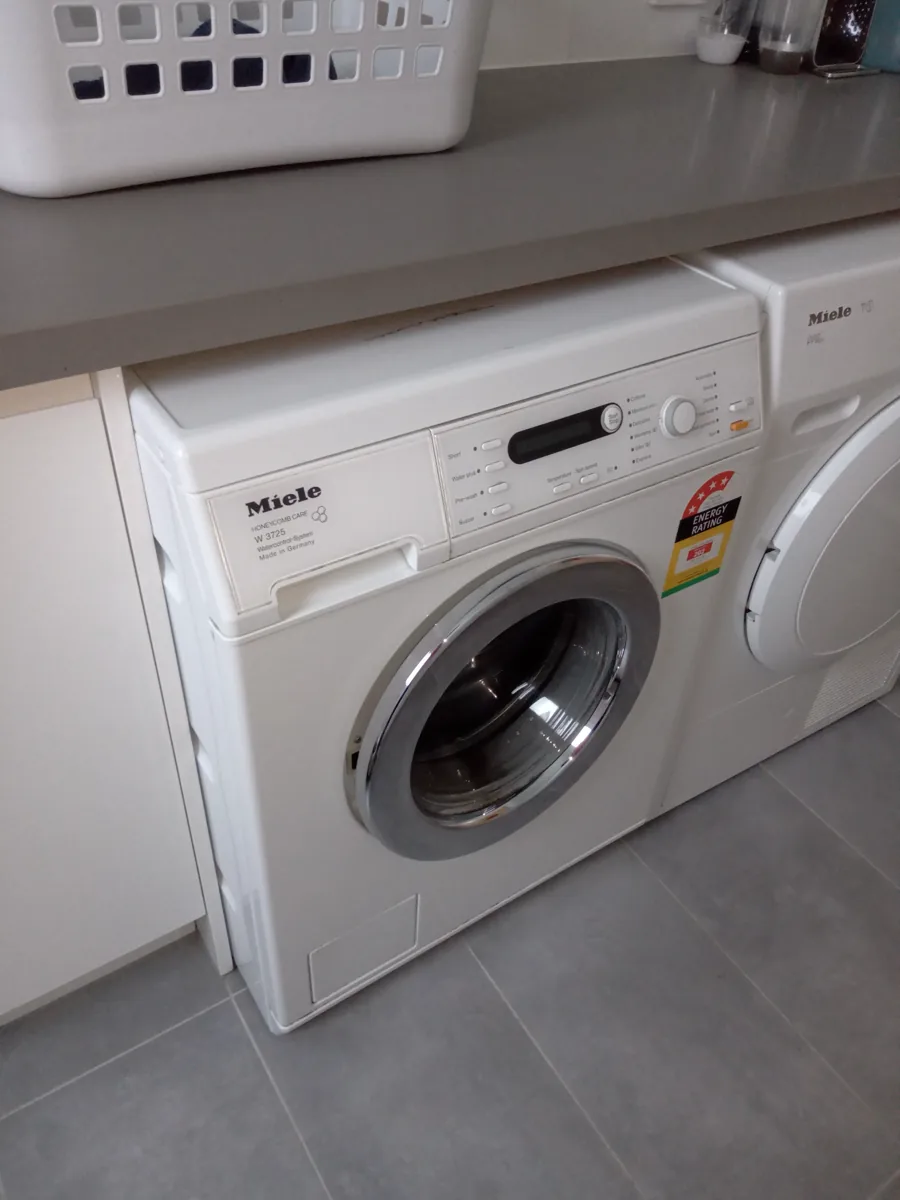
In a washing machine, mineral buildup restricts water flow. The pump has to work harder. Over time, the pump wears out faster. You also get mineral deposits on clothes. White spots on dark fabrics. Dingy whites that never look truly clean.
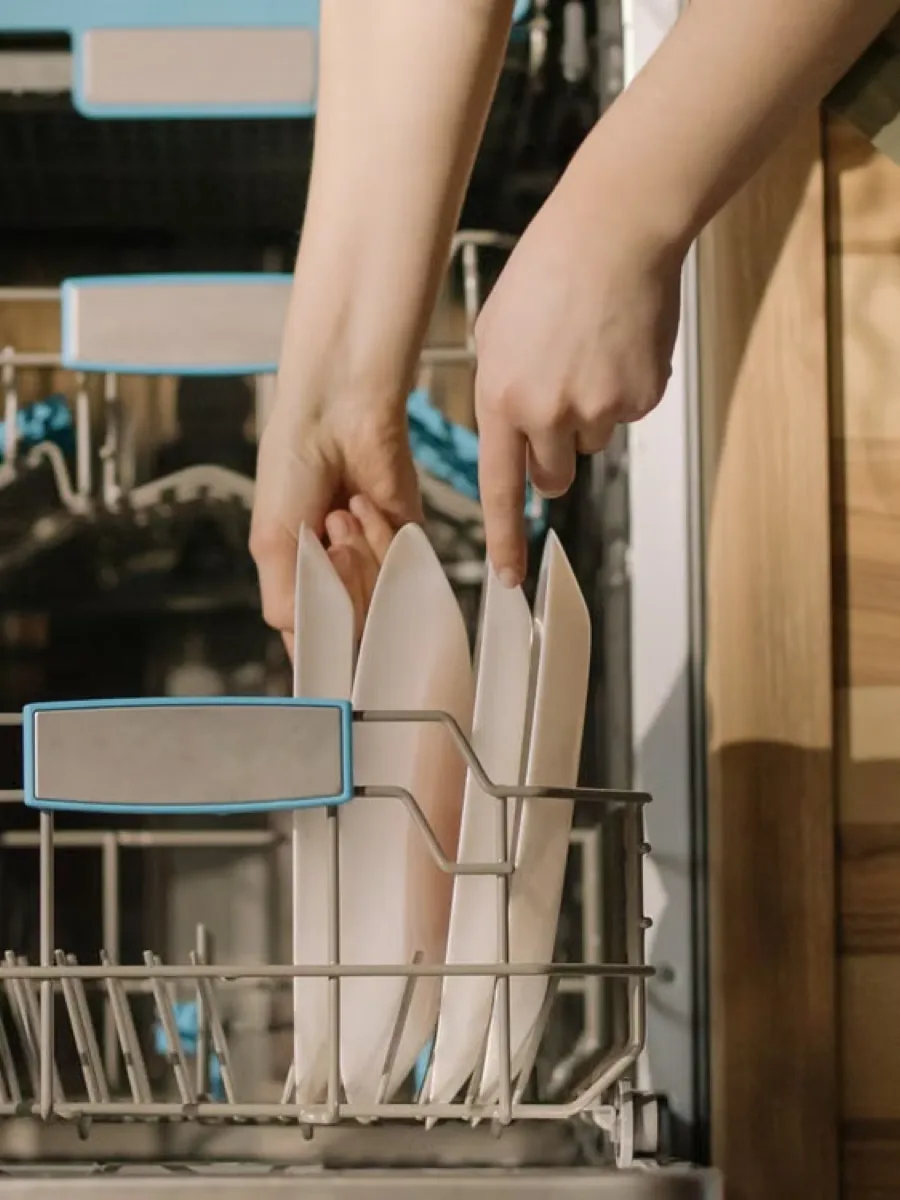
In a dishwasher, mineral deposits on the heating element insulate it. The element has to work harder to reach proper temperature. Mineral deposits clog the spray arm nozzles. Water doesn’t spray properly. Dishes don’t get clean. You get spots and film.
Both appliances also use more water and energy because they’re working against mineral buildup. Your power and water bills go up. Your appliances wear out faster.
Brisbane’s Hard Water Levels
Brisbane’s water hardness is around 70-100 mg/L in most areas (WaterScore). That’s considered moderately hard to hard.
According to the Water Quality Australia Initiative, soft water is under 60 mg/L and hard water is over 150 mg/L. Tasmanian water (under 60 mg/L) is why Tasmanians never have to think about this problem. Ipswich or inland Queensland, with 100+ mg/L scoring explains why outer suburbs have even more severe issues.
Brisbane proper gets treated water from the water authority. But treatment only goes so far. Hard minerals are still present. Still building up in your appliances.
The Long-Term Damage
If you ignore hard water effects, here’s what happens over years:
| Component | Damage Process | Repair Cost | Timeline |
|---|---|---|---|
| Washing machine inlet valves | Mineral clogging restricts flow, then complete failure | $200-400 | 5-7 years |
| Dishwasher heating element | Insulation prevents temperature reach, thermostat shuts down cycle | $800-1,500 | 4-6 years |
| Spray arm nozzles | Hard water deposits clog ports, water spray ineffective | $200-500 | 3-5 years |
| Pump assembly (washer/dishwasher) | Mineral buildup forces pump to work harder, motor burns out | $300-600 | 6-8 years |
| Overall appliance lifespan | Cumulative stress from mineral buildup | Replacement cost: $1,000-3,000 | 2-4 years shortened |
These aren’t theoretical problems. We see them constantly in Brisbane homes.
The Descaling Solution
For dishwashers:
- Run a descaling cycle once monthly with commercial descaler
- Use dedicated descaling program (most modern models have this)
- Run cycle empty (no dishes)
- Takes 30 minutes and prevents 80% of hard water damage
For washing machines:
- Run cleaning cycle monthly with commercial cleaner
- Use hot water setting for cleaning cycles
- Do not use vinegar (not strong enough)
- Cleans drum, inlet valves, and pump
Monthly descaling in Brisbane is essential. Quarterly might seem sufficient, but monthly is better because hard water buildup happens constantly.
The Rinse Aid Solution for Dishwashers
Rinse aid is specifically designed to counteract hard water spotting. It helps water flow off dishes instead of leaving mineral deposits.
Check your rinse aid level. If it’s empty, spots will appear. Fill it. Use proper rinse aid, not vinegar (vinegar is weak and can damage seals over time).
Rinse aid costs $5-10 per bottle and lasts months. It’s the cheapest prevention available.
Detergent Selection Matters
In hard water, some detergents work better than others. Powder detergents generally work better in hard water than liquid detergents.
For dishwashers, use tablets or pods designed for hard water. Cascade and Finish both make hard water formulations. Check your detergent packaging.
For washing machines, look for detergents that include water softeners. These help counteract hard minerals.
The Water Softener Option
A whole-house water softener removes hard minerals before they enter your appliances.
- Cost: $1,500-3,000 installed.
- Benefit: Your appliances last 40-50% longer. You don’t need descaling cycles. Your clothes look better. Your dishes shine.
- Return on investment: If you’re replacing a washing machine every 6-7 years because of hard water damage, a water softener probably pays for itself within 10 years. For dishwashers, the math is similar.
Water softeners are common in Brisbane’s outer suburbs where water is harder. Less common in the city, but still worthwhile if appliances are breaking down frequently.
FAQ
Can I use vinegar instead of commercial descaler?
Vinegar is weak. It works for light deposits but not for heavy buildup. For serious hard water areas, commercial descaler is stronger and more effective. Vinegar can also damage rubber seals over time if used repeatedly.
How do I know if hard water is my problem?
Test strips are cheap (around $15). You can also contact your water authority. They provide water quality reports. If hardness is over 150 mg/L, hard water is affecting your appliances.
Will a water softener void my appliance warranty?
It shouldn’t. Check your warranty documentation, but most manufacturers don’t void warranties for using a water softener. In fact, many recommend it in hard water areas.
Is soft water bad for appliances?
No. Soft water is ideal for appliances. Water softeners are designed to reduce mineral content to safe levels. They don’t make water unsafe.
Do I need descaling if I use rinse aid?
For dishwashers, rinse aid helps with spotting but doesn’t prevent internal mineral buildup on heating elements and spray arms. Descaling still matters. For washing machines, rinse aid doesn’t apply. Descaling is still necessary.
Can hard water affect other appliances?
Yes. Refrigerators with ice makers. Kettles. Coffee machines. Anything with water flow and heating. Hard water damages them all. But washing machines and dishwashers are affected most severely because they use the most water and heat.
Take Action Now
Hard water damage isn’t obvious until it’s too late. By the time you notice spotty dishes or dingy clothes, mineral buildup has already started affecting your appliance’s lifespan.
Start monthly descaling today. Check your rinse aid. If you’re in an outer suburb or have tested water with hardness over 150 mg/L, consider a water softener.
National Appliance Repairs can test your water hardness and recommend descaling schedules for your specific situation.
Call 1300 434 380 for a water quality assessment or to schedule regular maintenance cleaning.