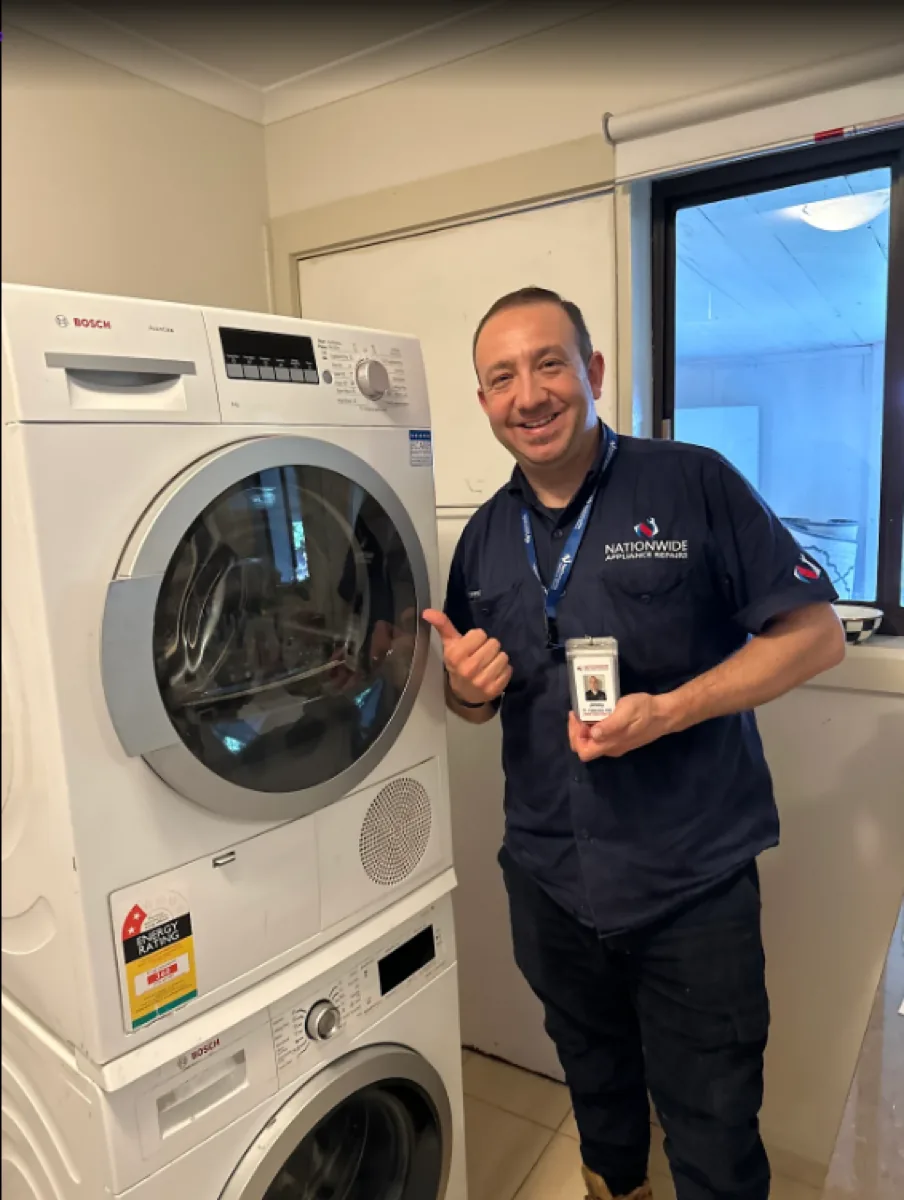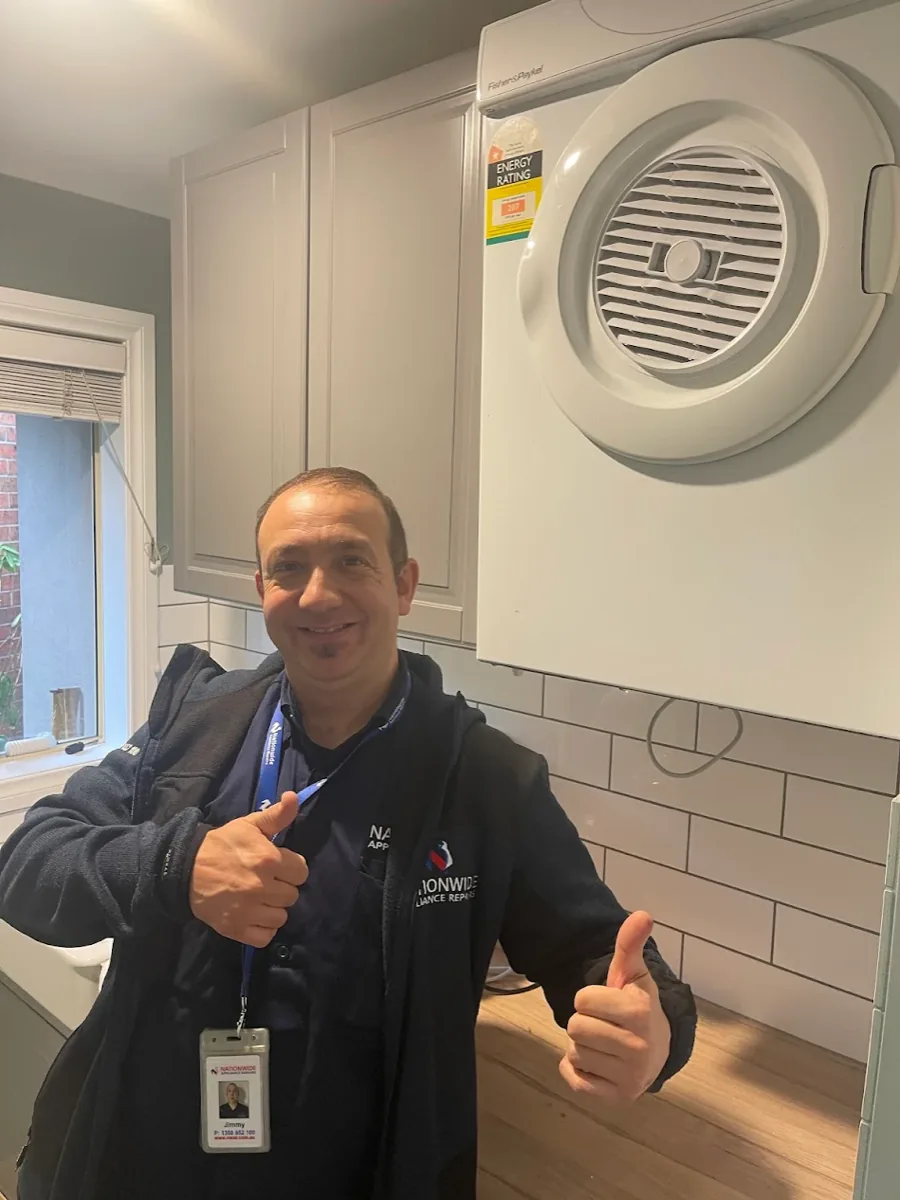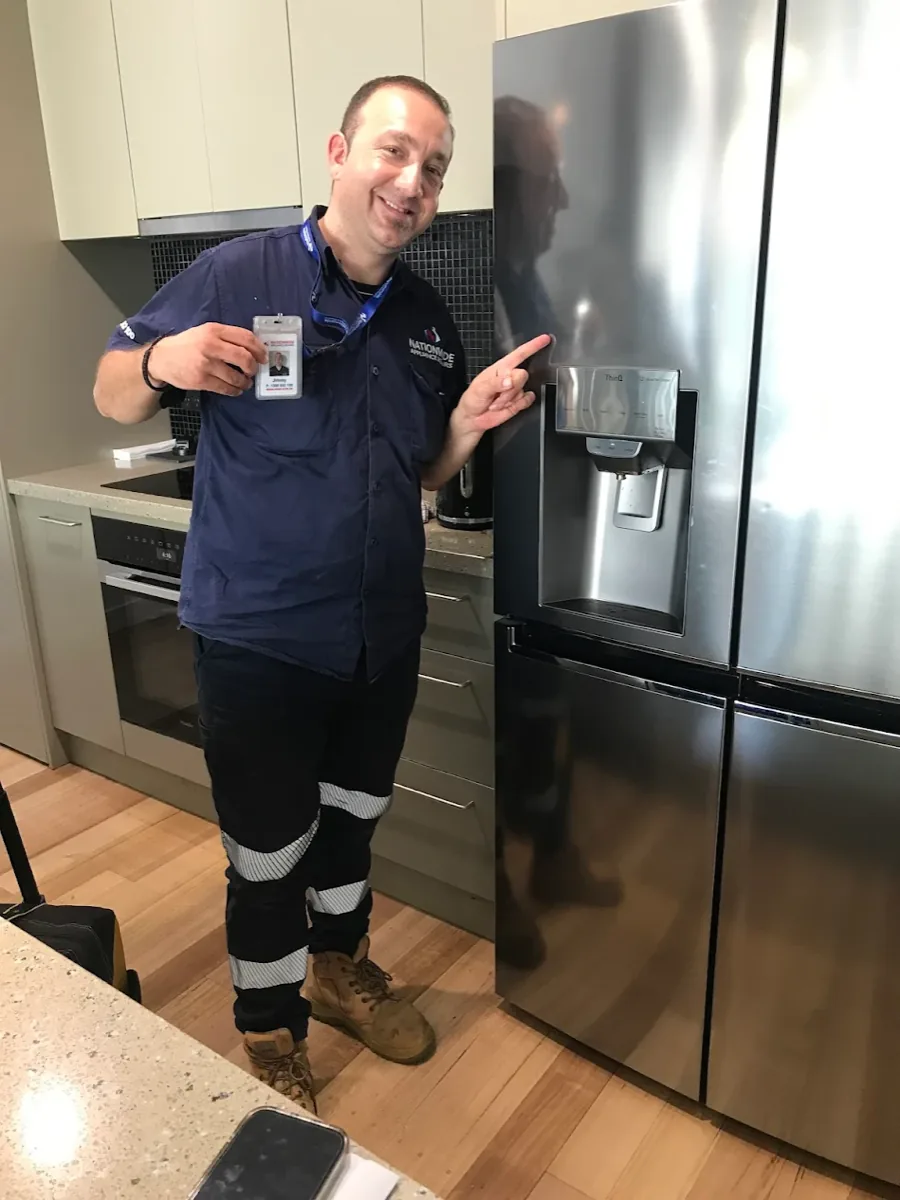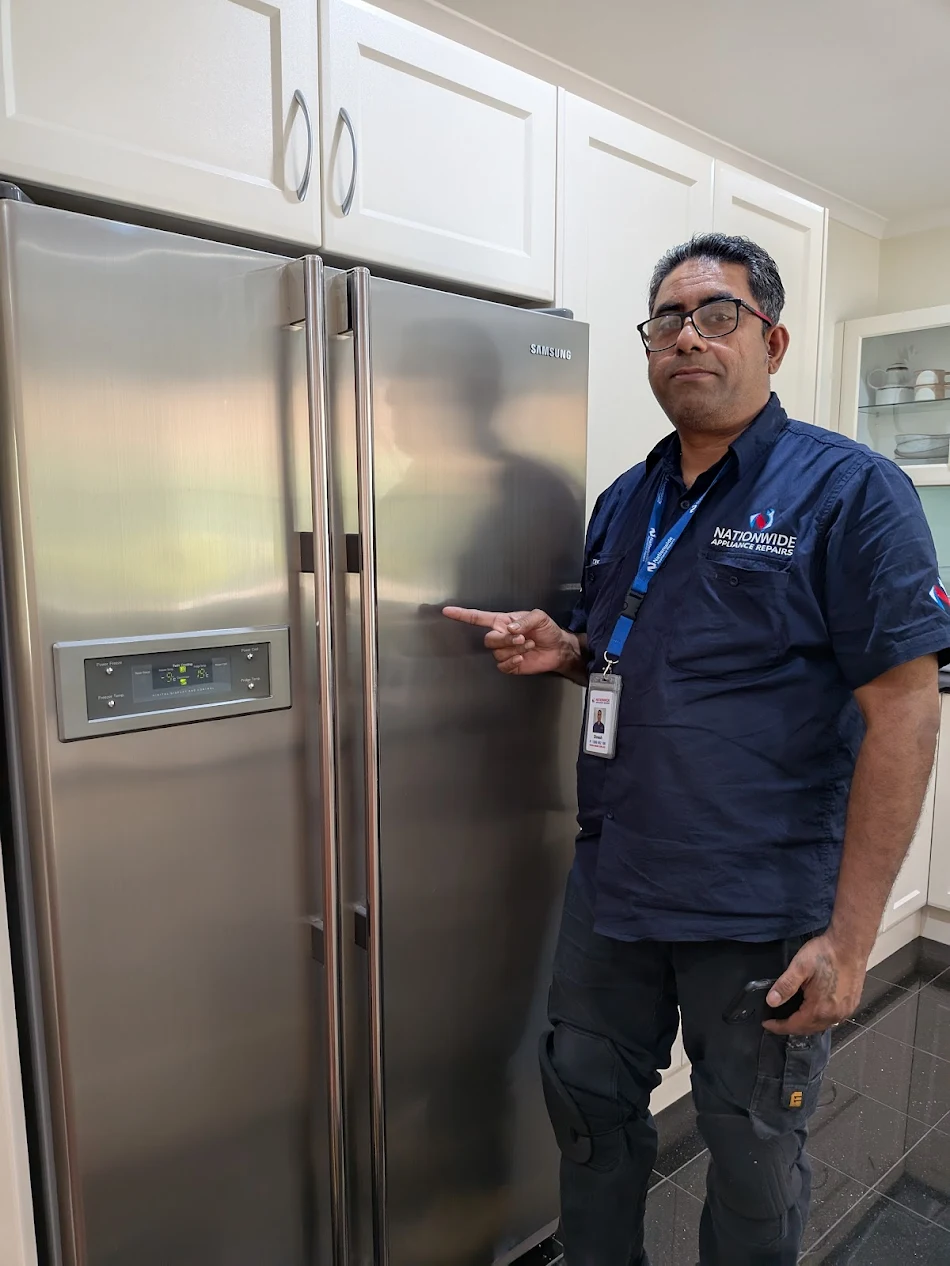
A reasonable share of the callouts National Appliance Repairs attends every week end the same way: nothing is broken. The appliance is new, or newly moved, and it’s underperforming because of how it was installed rather than because a component has failed.
That’s an awkward thing for a repair company to publish, because every one of those visits is a booking. But a customer who pays a call-out fee to be told their dryer duct has four bends in it is not a happy customer, and the checks below take fifteen minutes. Some of them you can do before picking up the phone.
Here’s the pattern in every case: a symptom appears, the owner assumes a fault, and the cause turns out to be geometry.
Washing Machines
Transit Bolts Still Fitted
Symptom: A brand-new front loader walks across the laundry, bangs violently on spin, or refuses to spin at all.
What people assume: Faulty machine, damaged in delivery.
What it usually is: Transit bolts. Front loaders ship with three to five bolts through the back panel that lock the drum to the chassis so the suspension doesn’t get destroyed in transport. They must be removed before first use. Leave them in and the drum has no suspension travel at all, so every spin cycle transmits straight into the cabinet and the floor.
This is the single most common new-appliance “fault” in the category, and it’s the one where waiting does real damage. Running a machine with transit bolts fitted for weeks can wreck the suspension, bearings and drum mounting. The plastic caps that fill the holes after removal are in the box with the manual.
Owner-fixable: Yes. Check the back panel for bolt heads. If they’re there, remove them and keep them, because you’ll need them if you move house.
Not Sitting Level
Symptom: Vibration and walking on spin in a machine that’s worked fine previously, or in one where the transit bolts are confirmed removed.
What people assume: Worn bearings or a failing suspension.
What it usually is: The machine isn’t level, or one foot isn’t in contact with the floor. Washing machines have adjustable feet for exactly this reason. On timber floors in older Australian homes, and on tiled floors with any fall to a drain, the difference between “looks level” and “is level” is significant.
Check with a spirit level across the top in both directions, adjust the feet, then rock the machine diagonally. Any movement means a foot is short. Lock the feet off once it’s stable.
Owner-fixable: Yes, with a spirit level and a spanner.
Drain Hose Height and the Standpipe
Symptom: The machine drains, then refills with dirty water. Or it never fully drains. Or it drains continuously during the wash.
What people assume: Failed drain pump.
What it usually is: Drain hose geometry. Every manufacturer specifies a minimum and maximum height for the drain hose outlet, typically somewhere around 60cm to 100cm above the floor, and the figure is in the manual. Too low and the machine siphons: water drains out under gravity as fast as it fills. Too high and the pump can’t lift against the head, so the machine either strains or throws a drain error.
The other version is a drain hose pushed too far down the standpipe, which creates an airtight seal and produces the same siphoning effect. The hose should sit in the standpipe, not seal against it.
Owner-fixable: Yes, provided you check the manual for the specified height. If the geometry is right and it still won’t drain, our guide on washing machines that won’t drain covers the faults.
Dishwashers
Symptom: Standing water in the base after every cycle, a smell, or dishes coming out dirty on the bottom rack.
What people assume: Blocked or failed drain pump.
What it usually is: No high loop in the drain hose. A dishwasher drain hose needs to rise to a high point, usually secured up under the benchtop, before it drops to the waste connection. Without it, waste water from the sink can flow back into the dishwasher, and the machine can’t fully clear its sump.
The second common installation issue is a supply connection that was never fully opened. A partially open isolation tap under the sink delivers enough water for the machine to start a cycle and not enough for it to fill correctly, which reads as poor wash performance rather than a supply problem.
Owner-fixable: The high loop and the isolation tap, yes. See dishwasher repairs if the geometry checks out and the problem persists.
Dryers
Symptom: Clothes still damp after a full cycle. Drying times that have crept up. A hot, humid laundry.
What people assume: Failed heating element or thermostat.
What it usually is: The venting. Queensland’s Electrical Safety Office puts it plainly: ducting that is too long or has too many bends accumulates lint and makes a dryer take much longer than it needs to. Every bend adds resistance, and flexible foil ducting crushed behind a machine pushed hard against a wall adds a great deal more.
The failure chain runs in a specific order, and it’s worth understanding because it explains why replacing a part without fixing the duct doesn’t work. Restricted airflow means moist air can’t leave. The drum runs hotter than designed. The thermal cut-out, which is a one-shot safety device, eventually trips. Fit a new cut-out without clearing the duct and the replacement trips too.
This one is also a safety issue rather than only a performance issue. The ESO notes that lint build-up can raise drum temperature enough to create a fire risk, and the SA Metropolitan Fire Service recommends moving the dryer at least once a year to vacuum lint from behind and underneath. Both agencies stress cleaning the lint filter before every load and allowing the cool-down cycle to finish.
Owner-fixable: Filter, external vent flap, duct routing and clearance behind the machine, yes. Anything inside the dryer, no. The ESO is explicit that while householders can clean the filter, duct, vent and exterior, only a licensed electrician should maintain or clean the interior. Our guide on dryers that won’t heat covers the internal faults, and dryer repairs covers the service.
Rangehoods
Symptom: “It doesn’t work.” Smoke and steam still hang around the kitchen with the fan on full.
What people assume: Weak or failing motor.
What it usually is: The rangehood is recirculating, not ducted, and nobody told the owner. A recirculating unit pulls air through a grease filter and a carbon filter and returns it to the room. It removes grease and odour. It does not remove steam or heat, because the air has nowhere to go. The unit is working exactly as designed; it just isn’t doing what the owner expected it to do.
Recirculating installations are common in apartments and in kitchens on internal walls where ducting outside isn’t practical. The giveaway is a vent grille above the cabinetry rather than a duct through the wall or ceiling.
The related fault is a ducted rangehood that terminates in the roof cavity rather than outside the building, discharging warm, greasy, moisture-laden air into the roof space.
Where a hood is ducted and still not clearing, look at a clogged grease filter, an excessively long duct run, or a stuck external damper flap. Carbon filters in recirculating units are consumables and need replacing every few months, which almost nobody does.
Owner-fixable: Filter cleaning and carbon filter replacement, yes. Establishing whether your hood is ducted or recirculating, yes. Re-ducting, no. Our guide on rangehoods not clearing smoke or steam covers the motor and fan faults.
Cooktops and Ovens
Symptom: An induction cooktop cuts out under load, or the circuit breaker trips when the oven and cooktop run together.
What people assume: Faulty cooktop.
What it usually is: The circuit. Induction cooktops draw substantial current and are normally required to be on their own dedicated circuit, sized and installed by a licensed electrician. Where a cooktop has been swapped onto an existing circuit shared with an oven or other load, it will work under light use and trip under a full load. That’s a wiring problem, not an appliance problem, and it needs an electrician rather than an appliance technician.
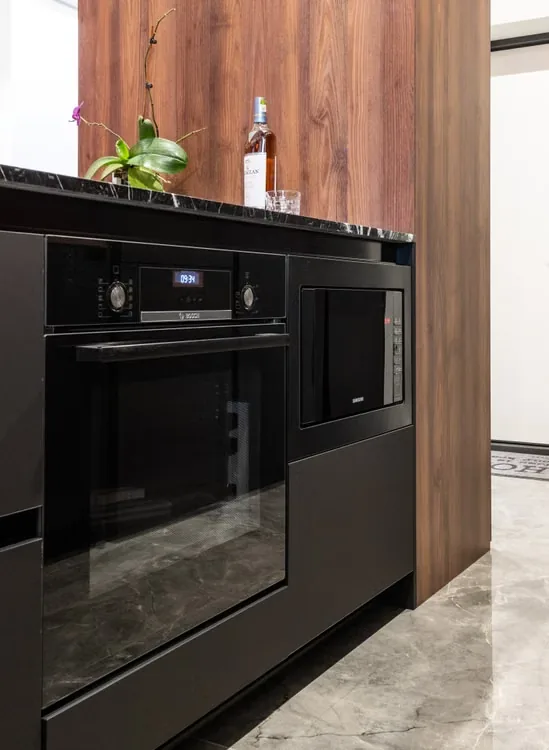
The second issue is ventilation clearance. Built-in ovens and induction cooktops both rely on specified air gaps to dissipate heat. Where a cooktop has been installed directly above an oven without the manufacturer’s clearance, or where a joiner has fitted a cabinet panel across a cooling vent, the appliance triggers its overheat protection and shuts down mid-cook. Our guide on induction cooktops that won’t heat covers the cookware side of this, which accounts for the majority of induction complaints.
Owner-fixable: Checking whether vents are blocked, yes. Circuit work, no.
Fridges
Symptom: A new fridge runs constantly, or doesn’t hold temperature, particularly in summer.
What people assume: Faulty compressor or gas leak.
What it usually is: Insufficient clearance. Fridges reject heat through a condenser and need specified air gaps at the back, sides and top to do it. A fridge slotted into a cabinet recess built for the previous model, or pushed hard against a wall, recirculates its own warm exhaust air. It runs continuously and still struggles.
Manufacturers also specify an ambient temperature range, often shown as a climate class on the rating plate. A fridge in an uninsulated garage that reaches 40°C in a Perth or Brisbane summer is operating outside its design conditions.
Owner-fixable: Yes. Check the manual for clearance requirements and measure what you have.
Quick Reference
| Symptom | Common assumption | Usual installation cause | Owner-fixable? |
|---|---|---|---|
| New front loader shakes violently | Damaged in transit | Transit bolts not removed | Yes |
| Machine walks on spin | Worn bearings | Not level, or a foot off the floor | Yes |
| Washer refills with dirty water | Drain pump failure | Drain hose too low, siphoning | Yes |
| Dishwasher holds water in the base | Blocked pump | No high loop in the drain hose | Yes |
| Dishwasher washes poorly | Failed spray arm | Isolation tap only partly open | Yes |
| Dryer takes two cycles | Heating element failure | Duct too long, kinked or blocked | Yes, externally |
| Dryer trips repeatedly | Faulty thermal cut-out | Restricted venting causing overheat | Duct yes, part no |
| Rangehood doesn’t clear steam | Weak motor | Recirculating unit, not ducted | Identify, yes |
| Induction cuts out under load | Faulty cooktop | Circuit not dedicated or undersized | No, electrician |
| Cooktop shuts down mid-cook | Overheat fault | Ventilation clearance blocked | Check, yes |
| New fridge runs constantly | Compressor failure | Insufficient clearance for the condenser | Yes |
The Fifteen-Minute Check Before You Book
Run these in order. Most of them need nothing more than a torch, a spirit level and the manual.
- Is the appliance new, or has it moved recently? If yes, installation is the first suspect rather than the last.
- Front loader: are the transit bolts out? Look at the back panel for bolt heads or unfilled holes.
- Is it level and stable? Spirit level across the top both ways, then rock it diagonally.
- Check every hose for kinks, crush points and correct height. Compare against the figure in the manual rather than guessing.
- Confirm the water isolation tap is fully open. Partly open is the commonest cause of poor fill.
- Check the duct run on a dryer or rangehood. Count the bends, look for crushing, and confirm it terminates outside.
- Measure the clearances. Back, sides and top, against the manual’s figures.
- Note whether the symptom is identical every cycle. Consistent means installation. Intermittent or worsening means a component.
If all eight come back clean, you have a fault and a technician visit is the right next step.
When It Really Is the Appliance
None of this means every new appliance complaint is an installation issue. Manufacturing faults exist, appliances get damaged in delivery, and a machine that’s been correctly installed and still misbehaves needs a technician.
The distinction worth drawing is that installation faults are geometric and consistent. They produce the same symptom every cycle, they usually date from day one or from a house move, and they change when you change the geometry. Component faults are more often intermittent, get progressively worse, or appear suddenly on an appliance that worked perfectly last week.
If the appliance is new and the fault dates from installation, that’s a conversation with whoever installed it before it’s a repair. Our guide to what Australian Consumer Law still owes you covers the rights picture, and what happens when you book a repair sets out what an assessment involves.
Frequently Asked Questions
What are transit bolts and what happens if I don’t remove them?
Transit bolts lock a front loader’s drum to its chassis during shipping. If they aren’t removed before first use, the drum has no suspension travel, so the machine vibrates violently, walks across the floor and may refuse to spin. Running it that way for any length of time can damage the suspension and bearings.
How high should a washing machine drain hose be?
Manufacturers specify a range, commonly around 60cm to 100cm above floor level, and the exact figure is in your manual. Too low and the machine siphons water out as fast as it fills. Too high and the pump can’t lift against the head, which produces a drain error.
Why doesn’t my rangehood clear steam from the kitchen?
It’s most likely a recirculating unit rather than a ducted one. Recirculating hoods filter grease and odour and return the air to the room, so they can’t remove steam or heat. Look for a vent grille above the cabinetry instead of a duct through the wall or ceiling.
Does an induction cooktop need its own circuit?
Generally yes. Induction cooktops draw high current and are normally installed on a dedicated circuit by a licensed electrician. A cooktop sharing a circuit with an oven or other load will often work under light use and trip the breaker when both run together.
Is my dryer taking two cycles a fault or an installation problem?
Check the venting first. Ducting that is long, kinked or full of lint restricts airflow and stretches drying times well before any component fails. Queensland’s Electrical Safety Office identifies excessive duct length and bends as a direct cause of both extended drying times and lint accumulation.
Check the Geometry First
Installation faults share a family resemblance. They show up immediately, they behave the same way every time, and they respond to changing something physical rather than replacing something electrical. Transit bolts, hose heights, duct runs, clearances and circuits account for a meaningful share of what gets reported as a broken appliance.
Work through the checks above before booking anything. If they don’t explain the symptom, contact National Appliance Repairs or call 1300 434 380 for an assessment across Melbourne, Sydney, Brisbane, Adelaide and Perth.
Our technicians carry genuine parts for major brands and will tell you plainly if what you’ve got is an installation problem rather than a repair.
Call Us:
or leave a message using the form below