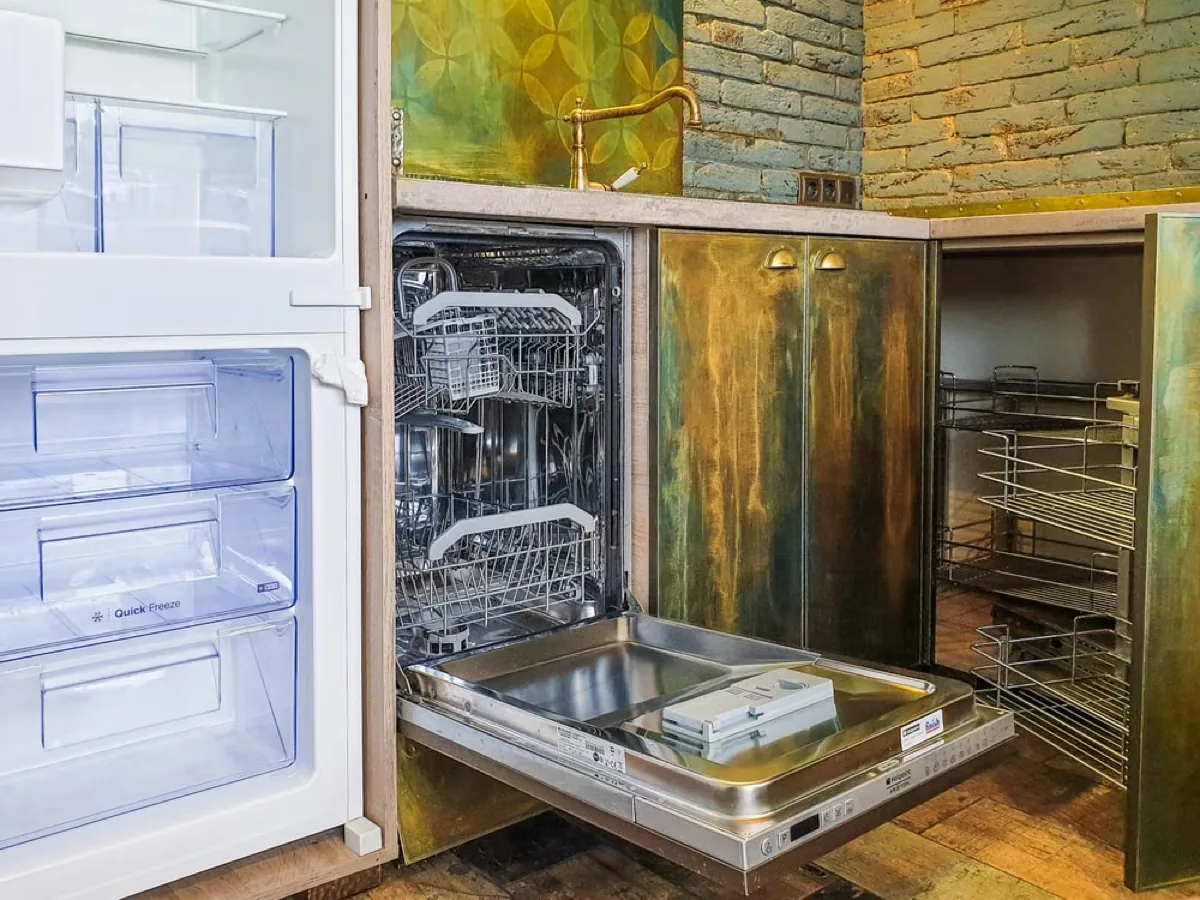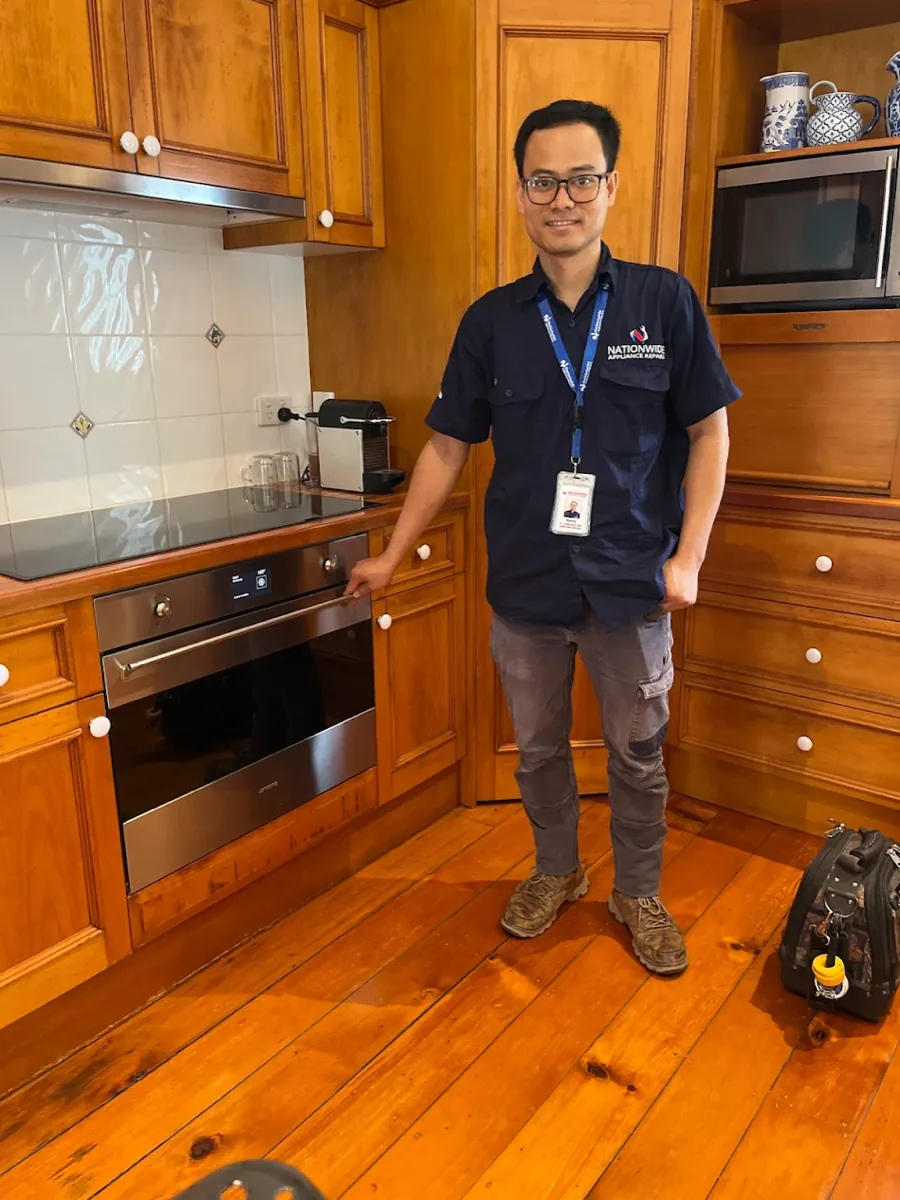
A fridge that fails overnight, a fryer that won’t heat during service, or an exhaust fan that trips a health inspection all have the same root cause more often than not: equipment that only gets attention once it’s already broken. In a commercial kitchen, that’s an expensive way to run things, since downtime during service hours costs far more than the maintenance that would have prevented it.
Here’s a practical maintenance schedule from the team at National Appliance Repairs, covering the equipment zones that matter most, along with where Australian standards and food safety requirements come into play.
Why This Matters Beyond Just Avoiding Breakdowns
Equipment maintenance in a commercial kitchen isn’t only about keeping things running. Exhaust and ventilation systems fall under fire safety requirements, grease build-up in ductwork is a recognised fire hazard, and inspectors checking food safety compliance look at equipment condition and cleanliness as part of a broader HACCP-aligned assessment, not just food handling on the day. A kitchen with documented, regular maintenance has an easier time at both fire safety and health inspections, since it can show a history rather than just a snapshot.
Daily Checks
- Confirm exhaust fans are running before igniting any cooking equipment, and never operate cooking equipment without active ventilation
- Wipe down and visually check grease filters for visible build-up, and empty drip trays
- Check fridge and freezer temperatures at the start and end of service, logging both
- Inspect dishwasher spray arms and filters for visible blockages before the first wash of the day
- Check gas cooking equipment for any smell of gas before ignition
Weekly Checks
- Remove and properly degrease baffle or mesh filters rather than just wiping the visible surface
- Check make-up air grilles and supply louvers for blockages, since reduced make-up air causes negative pressure and can push smoke back into the kitchen
- Inspect door seals on fridges, freezers, and ovens for gaps or damage
- Test that all safety cut-offs and emergency stops on cooking equipment respond correctly
- Clean condenser coils on refrigeration units where accessible, since dust and grease build-up here is one of the more common causes of sudden compressor failure
Monthly Checks
- Full clean of exhaust hood interior surfaces, not just the filters
- Check gas connections and fittings on cooktops, fryers, and combi ovens for any signs of wear or leakage
- Inspect and clean dishwasher spray arm jets thoroughly, not just a rinse
- Review temperature logs for any patterns suggesting a fridge or freezer is starting to underperform before it fails outright
- Check door hinges and closers on walk-in coolers and freezers, since a door that doesn’t seal properly drives up both energy costs and compressor strain
High-volume kitchens running dedicated commercial warewashers or glasswashers rather than a standard dishwasher should apply the same monthly spray jet and filter routine, since these units see far more cycles per day and clog proportionally faster.
Quarterly and Annual Requirements
Ducted exhaust systems in commercial kitchens typically fall under fire protection maintenance standards, commonly referenced against AS 1851 for scheduled servicing of fire protection systems including kitchen exhaust ductwork, alongside the ventilation design principles set out in AS 1668. Grease accumulation inside ductwork that isn’t visible from the kitchen is one of the more serious commercial fire risks, and it needs a professional clean rather than an in-house wipe-down. Depending on your local council and insurer requirements, this is often required semi-annually or annually, with documentation kept on file.
Gas appliances should have a professional service and safety check at least annually, checking burner condition, gas pressure, and ignition systems, ideally timed before your busiest trading period rather than during it.
Quick Reference: Maintenance Cadence by Equipment Zone
| Equipment Zone | Daily | Weekly | Monthly | Quarterly/Annual |
|---|---|---|---|---|
| Cooking equipment | Pre-service check, gas smell check | Safety cut-off test | Gas connection inspection | Full professional service, annually |
| Refrigeration | Temperature log | Condenser coil clean, door seal check | Log review, hinge check | Professional service check |
| Exhaust and ventilation | Fan running before cooking | Filter degrease, make-up air check | Full hood interior clean | Professional duct clean per AS 1851 |
| Warewashing | Filter and spray arm check | — | Deep clean of spray jets | Descale service as needed |
Building This Into Daily Operations
The checklist only works if it’s actually followed, which usually comes down to how it’s built into the shift rather than treated as an extra task. A few things that help:
- Assign specific checks to specific roles rather than leaving them as a general team responsibility that no one owns
- Keep temperature and cleaning logs somewhere they’ll actually be filled in during service, not buried in an office
- Schedule the less-frequent checks (weekly, monthly) on a set day rather than “whenever there’s time,” since that’s how they get skipped
- Treat unusual noises, smells, or slow-to-recover temperatures as early warning signs worth acting on, not something to note and revisit later
Why Preventative Maintenance Beats Reactive Repairs
A fridge that fails during Friday dinner service costs far more than the maintenance that would have caught the early signs, both in lost stock and lost trade. Equipment that’s regularly serviced also tends to fail more predictably, giving you time to plan a repair around quieter service periods rather than scrambling mid-shift.
National Appliance Repairs offers planned preventative maintenance for commercial clients, tailored to your equipment and compliance requirements, alongside commercial appliance repairs covering commercial oven, commercial fridge, commercial dishwasher, and commercial rangehood and exhaust system repairs when something does need fixing.
Our commercial team offers extended hours and priority scheduling to minimise disruption to service.
Frequently Asked Questions
How often should commercial kitchen exhaust systems be professionally cleaned?
This generally sits at semi-annual to annual, depending on cooking volume, local council requirements, and insurer expectations. Kitchens with high-volume frying or grilling typically need more frequent cleaning than lighter-use café setups.
What’s the difference between AS 1668 and AS 1851 for kitchen ventilation?
AS 1668 covers the design and mechanical ventilation requirements for commercial kitchens. AS 1851 covers the ongoing servicing and maintenance of fire protection systems, which typically includes kitchen exhaust ductwork given its fire risk from grease accumulation.
Do I need written maintenance records for health inspections?
Documented cleaning and temperature logs are a standard part of demonstrating HACCP-aligned food safety practices, and they make both routine and unannounced inspections considerably smoother. Check your specific requirements with your local council, since they vary by jurisdiction.
What’s the most commonly overlooked piece of commercial kitchen maintenance?
Condenser coil cleaning on refrigeration units. It’s out of sight, it’s not part of daily service, and dust and grease build-up here is one of the most common causes of a fridge or freezer failing suddenly rather than gradually.
How much does commercial preventative maintenance typically cost?
It depends on your equipment count and service frequency. Call 1300 434 380 to discuss a maintenance plan tailored to your kitchen and get a clear cost breakdown.
The Bottom Line
Consistent, scheduled maintenance across cooking equipment, refrigeration, ventilation, and warewashing keeps a commercial kitchen running predictably and makes compliance far less stressful than treating it as a once-a-year scramble. If you’d like a maintenance plan built around your specific kitchen, contact National Appliance Repairs or call 1300 434 380 to discuss commercial servicing options across Melbourne, Sydney, Brisbane, Adelaide, and Perth.
Call Us:
or leave a message using the form below