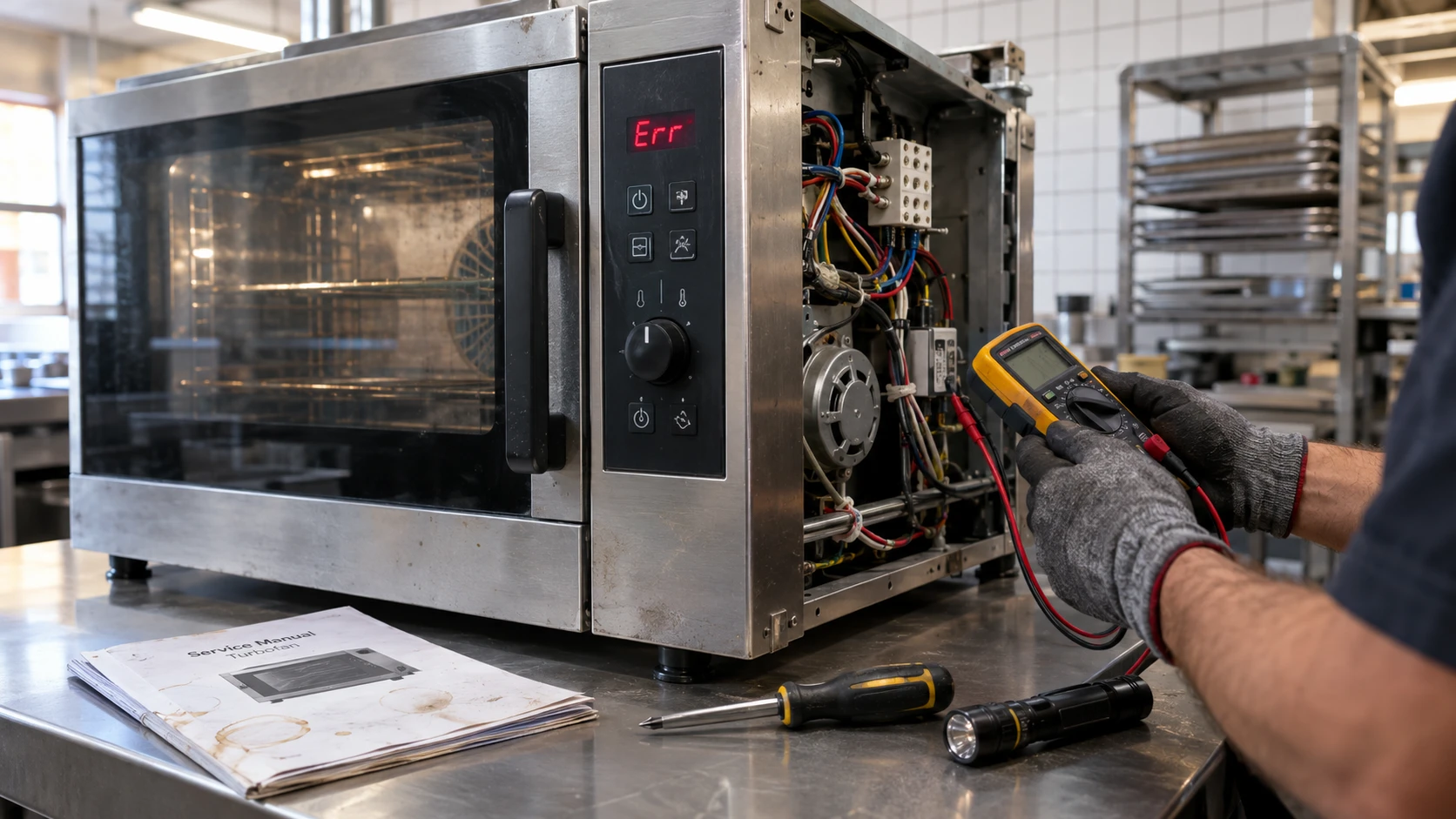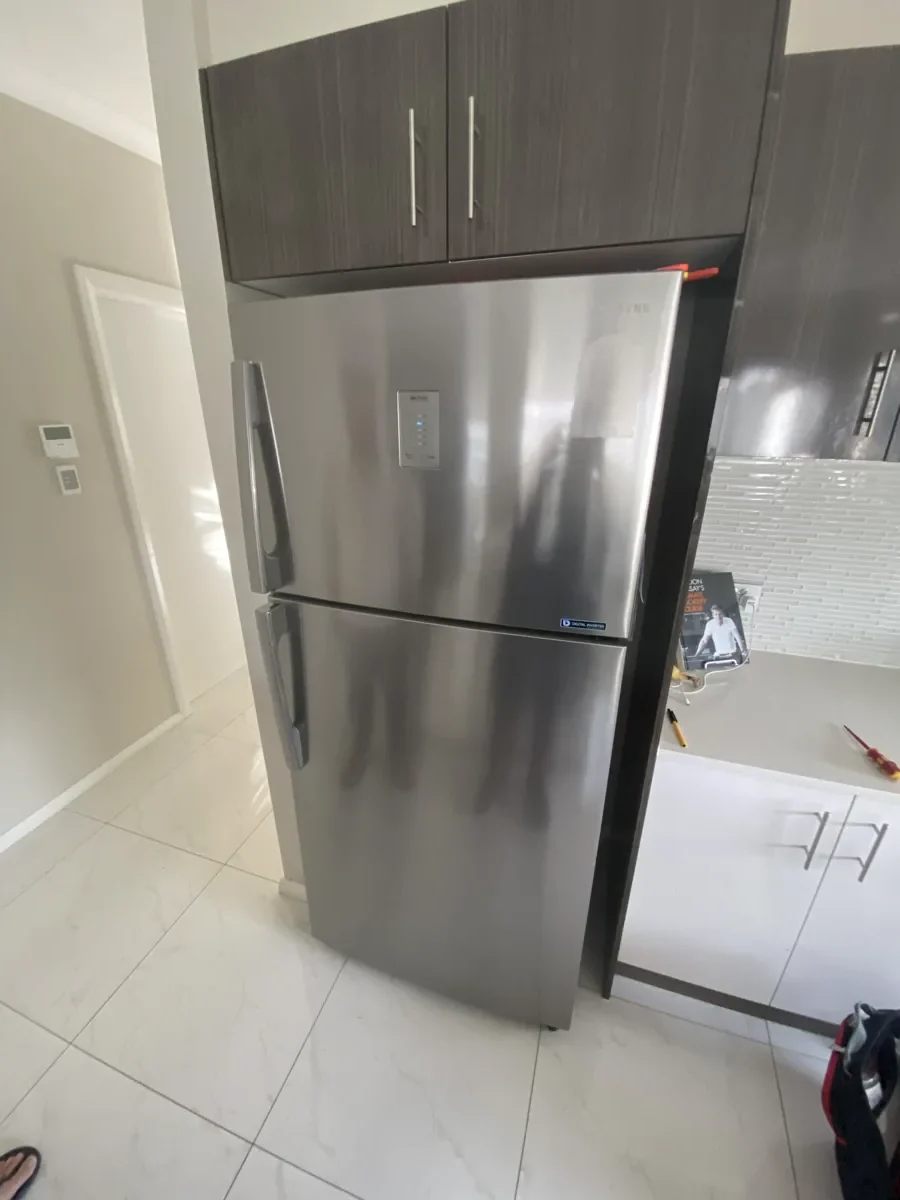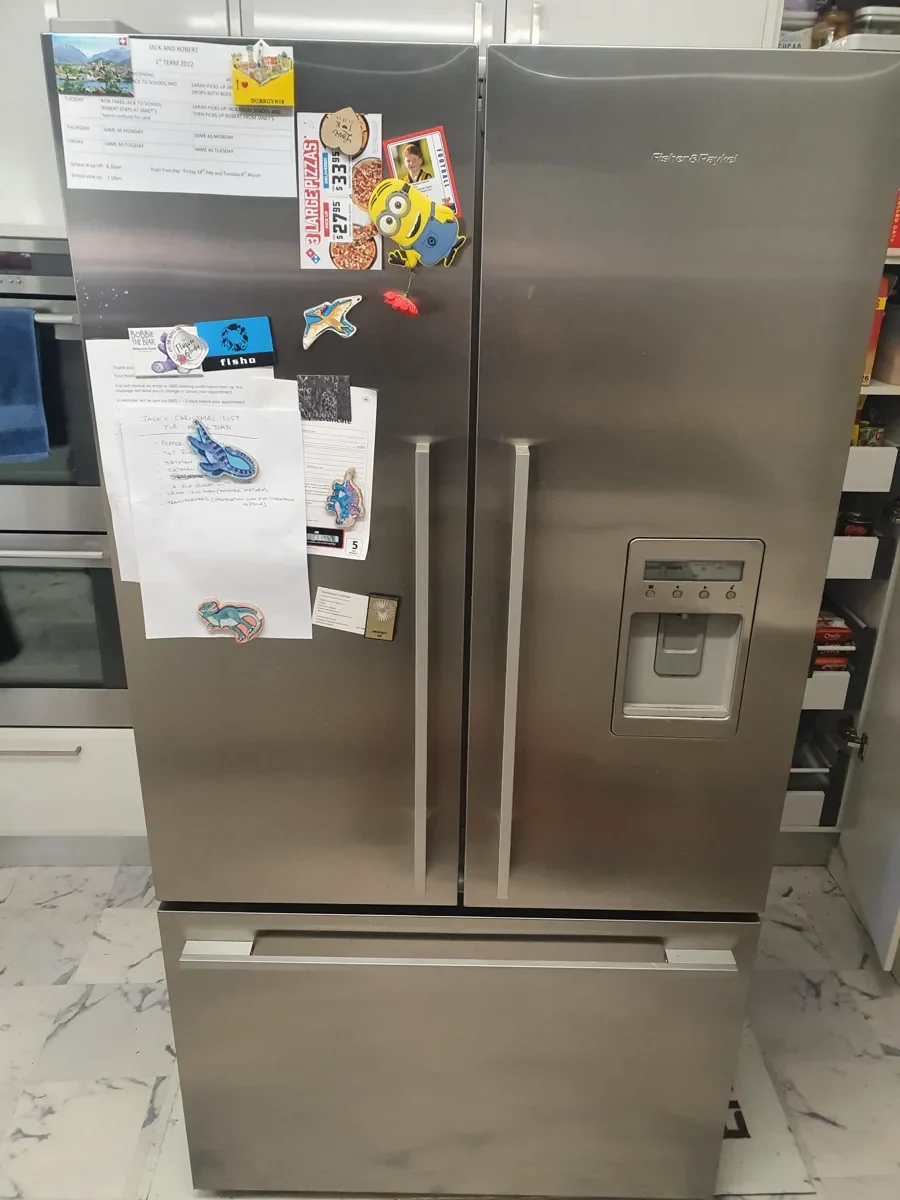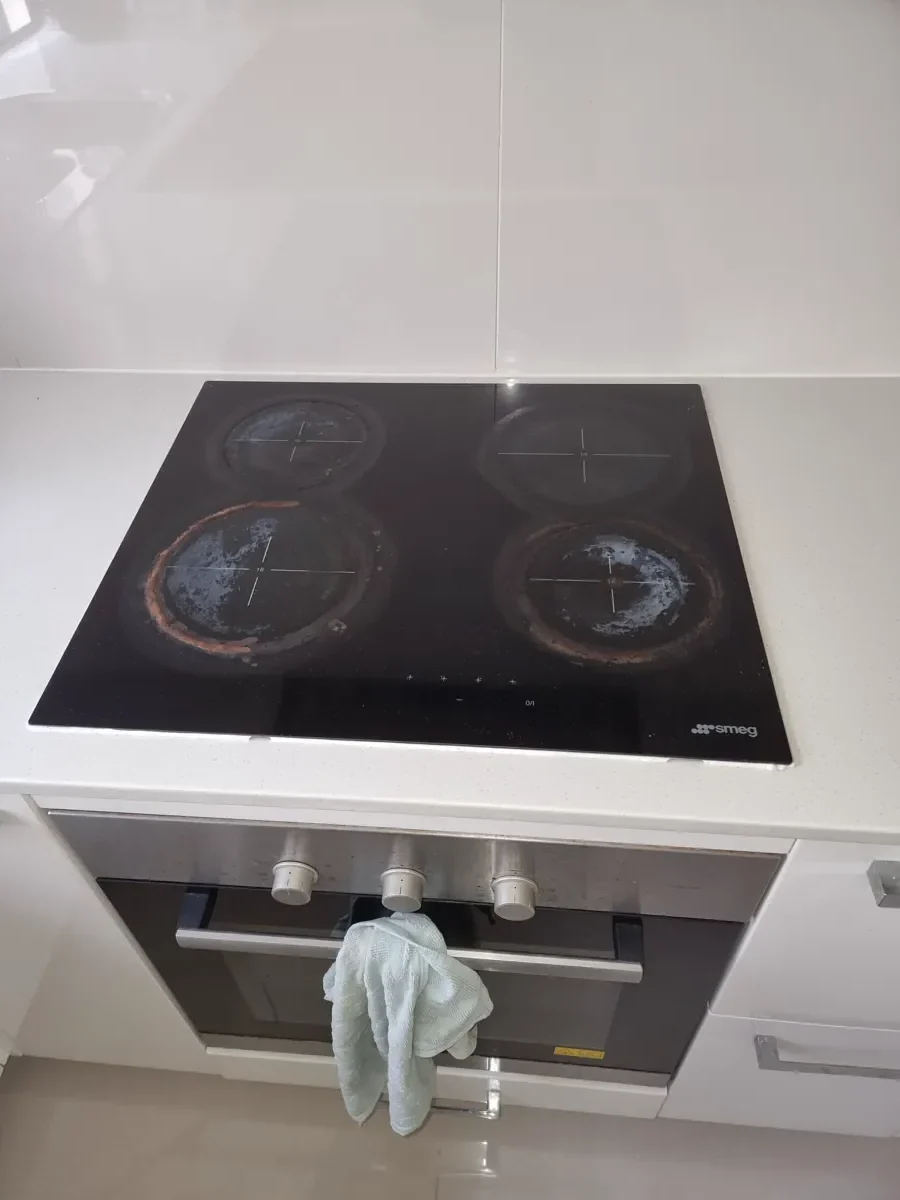


What do you do when your fridge suddenly stops working at 6 PM on a Friday? Or your washing machine leaks and spills water all across the laundry room floor? It’s even more inconvenient if you have a business to run and something like your commercial cooktop just gives up during dinner service.
An appliance emergency typically doesn’t announce itself or always align itself perfectly during business hours. But before you panic and call for expensive emergency service, our technicians at National Repairs Appliance would like you to take a breather and follow these steps first.
Safety First: Check for Immediate Danger
Before troubleshooting anything, confirm nobody is at risk.
If you smell gas from a gas appliance, turn off the gas supply at the unit and open all nearby windows. If you don’t know how, or unable to close the gas supply safely, give the gas company’s emergency line a call or leave the building. For commercial kitchens, evacuate staff and customers immediately. Don’t hesitate on this one.
If you’re smelling something burning or seeing smoke, turn off the power to the appliance and let it cool to prevent fire risks. Home appliances only need unplugging (please assess the plug and the electrical outlet and see if you can do it safely or not). For commercial equipment, it’s better to flip the circuit breaker.
Water can be a problem, too. If there’s a big puddle of water coming from, say, a leaky dishwasher, move fast and flip the circuit breaker in the room. If the water reaches an electrical outlet or spreading toward circuits, it can become a serious electrocution hazard.
Once you’ve confirmed everyone is safe, you can take the time to assess everything.
Understand What Actually Happened
Identify what broke and the specific failure mode — whether the appliance won’t turn on, stopped partway, is leaking, or making unusual sounds. This details help you communicate clearly with a technician and determine if you actually need emergency service.
Also assess urgency. A refrigerator without cooling with perishable food inside is urgent. A washing machine that won’t drain is inconvenient but not dangerous and can wait. A commercial cooktop failing during service requires emergency response; a backup cooker changes that urgency completely.
The specific situation determines whether you need emergency service or a regular appointment.
Prevent the Problem From Getting Worse
While you work through what to do next, take steps to contain the situation.
| Appliance Problem | Approach |
| Leaking appliances | Turn off water supply if accessible. Place towels or buckets underneath. Protects flooring and baseboards. |
| Refrigerator/cooler stopped cooling | Resist opening door repeatedly (warm air escapes each time). Move perishables to a cooler with ice packs if available. Frozen food stays frozen for about 2 days with door closed. |
| Washing machine stuck with water inside | Don’t force door open (will flood laundry room). Try restarting and running a drain-and-spin cycle. Leave it for now if that fails — technician can drain properly. |
| Hot appliances (ovens, cooktops, grills) | Let cool completely. Don’t keep running hoping the problem resolves. |
You’re not fixing anything at this stage – simply buying time while you figure out your next steps and preventing the situation from escalating.
Check the Basic Things First
Before calling a repair service, verify you haven’t overlooked something simple.
| Check | What to Look For | Action |
| Power connection | Is the appliance actually plugged in? Vibrations during operation can loosen plugs over time. | Verify the plug is fully seated in the outlet. Reseat it firmly if it’s loose. |
| Power switch | Is the main power switch turned on? | Check all switches and control settings on the appliance. Some have multiple switches or override controls. |
| Circuit breaker | Has the household circuit breaker tripped? | Check your electrical panel. If a breaker has switched to the off position, flip it back on. If it immediately trips again, you have an electrical fault that needs professional attention. |
| Visible damage | Can you spot anything obviously wrong? | Look for kinked hoses, clogged filters, blocked vents, or debris. Sometimes the problem is literally visible and fixable. |
| Manual | Does the appliance come with a manual? | Most manuals include troubleshooting sections for common issues. Check your physical manual or search online using your appliance’s model number. |
All of these are rather simple, but they’re a lot more common than you’d think. You don’t want to call a technician and spend all that money only to find out that the only thing that’s “wrong” with your appliance is an unplugged power cord.
If none of these solve the problem, you’re ready to contact a repair service.
Calling for Professional Help
When you call, describe the issue simply and specifically. We’ll also need you to provide the appliance details: brand, model number (usually on a sticker inside the door or on the back), and approximate age. This helps the technician diagnose quickly and know what parts to bring. For commercial equipment, also mention the year it was purchased and whether you have a maintenance contract.
Mention any unusual signs. Did it make strange noises before failing? Any smells? Visual changes? These details narrow down possibilities significantly.
Ask when they can arrive. Some services offer same-day appointments. Others have longer wait times. For commercial operations, discuss emergency availability and expected response times. Knowing the timeline helps you plan alternatives or temporary workarounds.
National Appliance Repairs Provides Emergency Repair Across Australia
In Brisbane, Melbourne, Sydney, Adelaide, and Perth, National Appliance Repairs provides same-day service for both residential and commercial appliances in most cases. We stock common parts, so repairs often happen during the first visit. And last but not least, you can also count on us to provide upfront pricing before starting any work – no hidden charges here!
Frequently Asked Questions
How much more does emergency service cost compared to a regular appointment?
Emergency calls typically cost 25-50% more than regular appointments. The extra fee covers technician availability outside normal business hours and priority scheduling. For residential customers, if your issue can wait until the next business day, you’ll save money. For commercial operations, emergency service is often worth the cost because the revenue loss from downtime exceeds the additional service fee.
Can I attempt any repairs myself?
Basic maintenance is safe: cleaning filters, clearing drain lines, checking simple connections. Anything involving opening the appliance, working with electrical components, or working with gas belongs with professionals. The risk of causing more damage or personal injury isn’t worth the savings. When in doubt, call someone qualified. This is especially important for commercial equipment where improper repairs could affect health and safety compliance.
My appliance is 12 years old and just broke. Should I repair or replace it?
Get a professional diagnosis first. If the repair costs less than 30% of a new appliance, repair makes sense. If it’s 50% or more, replacement is usually smarter. For major components like a compressor in a fridge or a motor in a washer, even a repair at 50% of replacement cost might suggest replacement, since additional failures are likely coming soon. For commercial equipment at 12 years, consult your technician about whether planned replacement is smarter than continued repairs.
How do I choose a trustworthy repair company?
Look for same-day or next-day availability, upfront pricing before work begins, and warranty coverage on repairs. Ask friends and fellow business owners for recommendations. Check online reviews. Call a few companies and compare their responsiveness and pricing. The cheapest option isn’t always best if they’re slow or do poor work.
For commercial operations, verify they have experience with commercial-grade equipment and understand emergency response requirements. National Appliance Repairs offers all of these across major Australian cities for both residential and commercial clients.