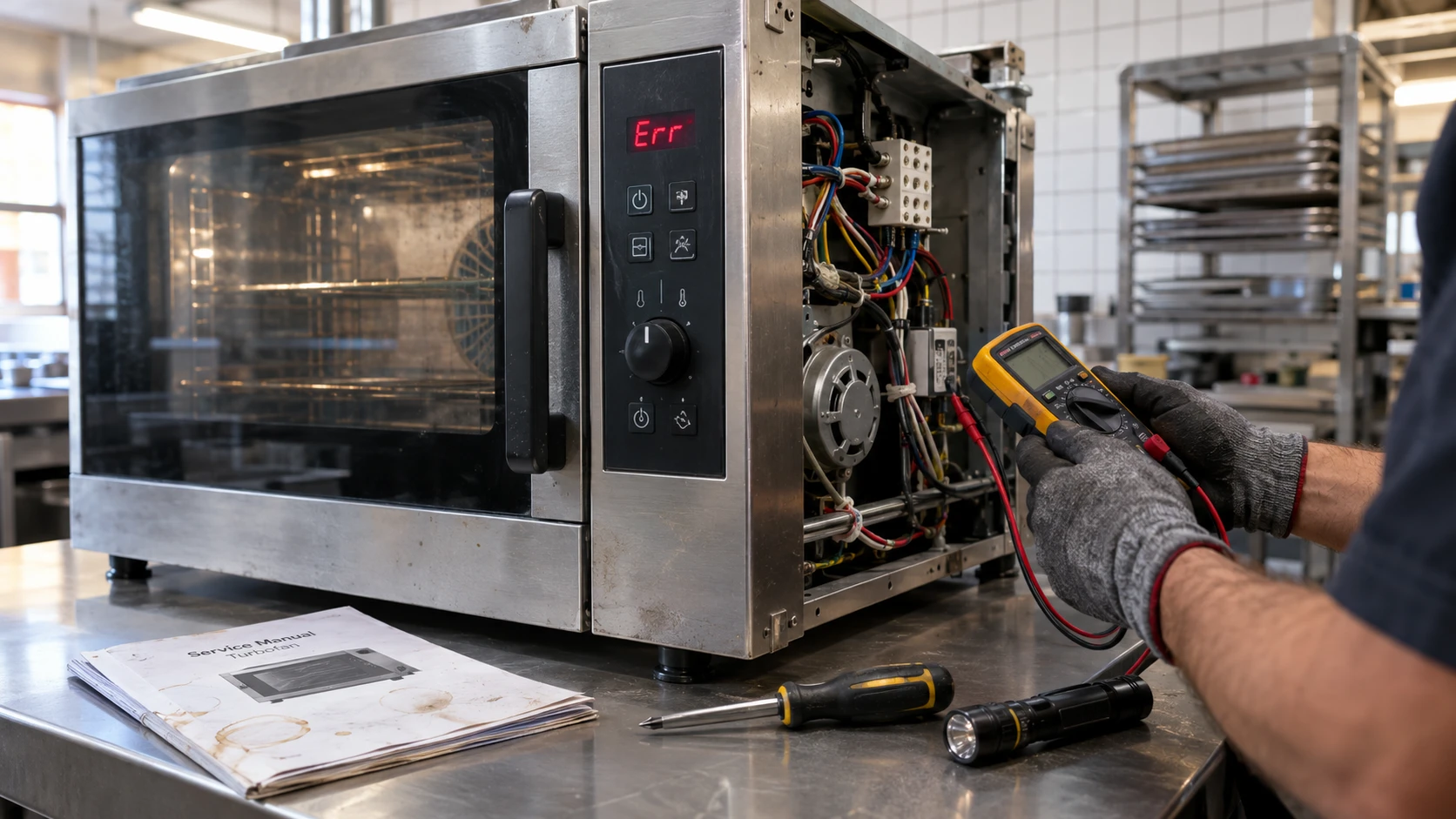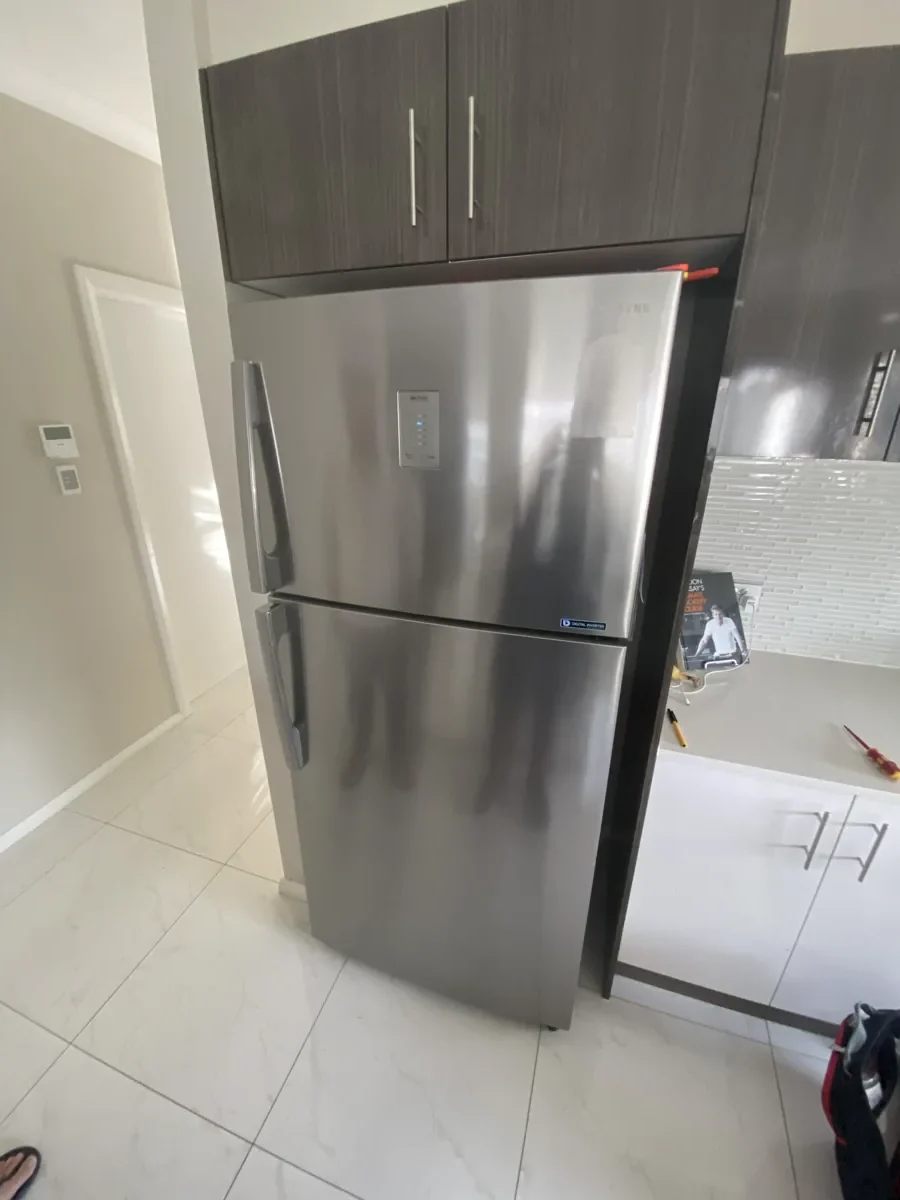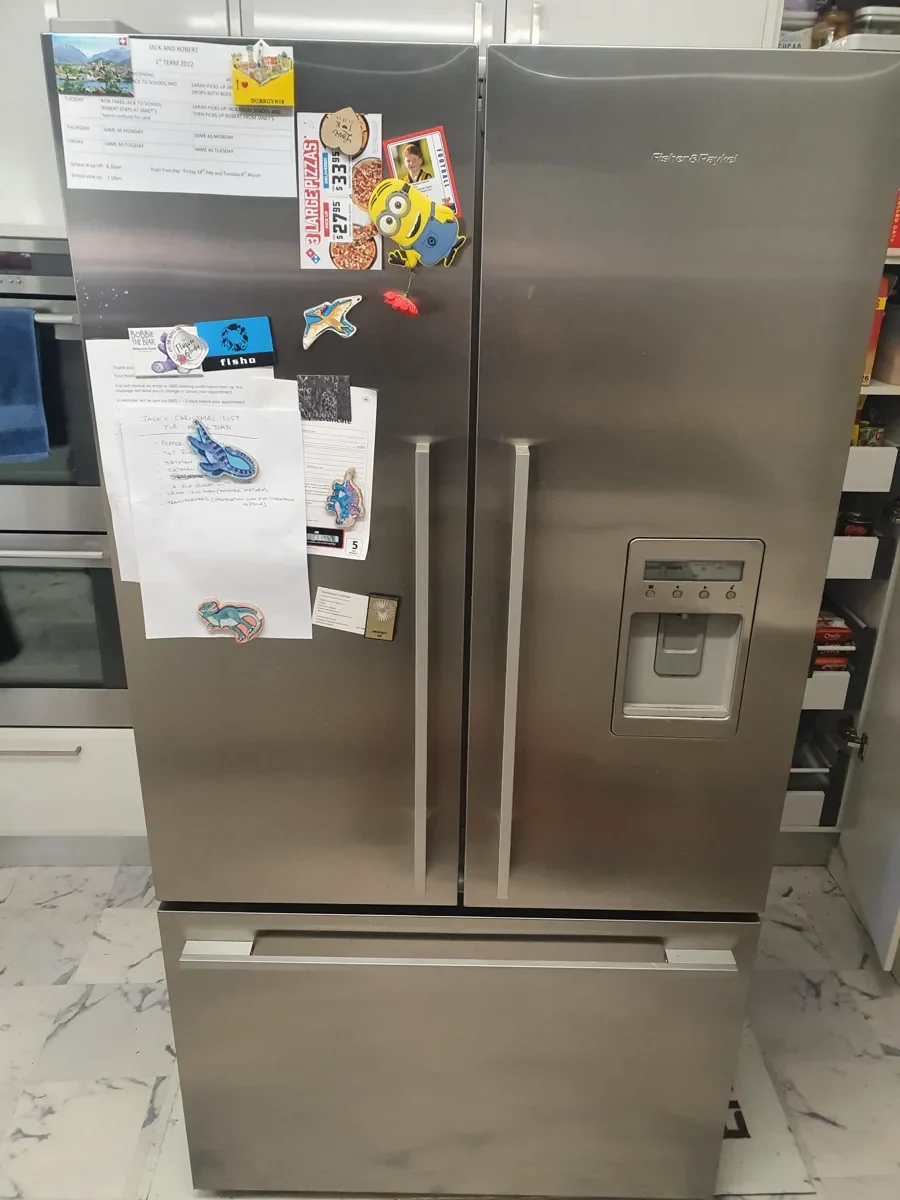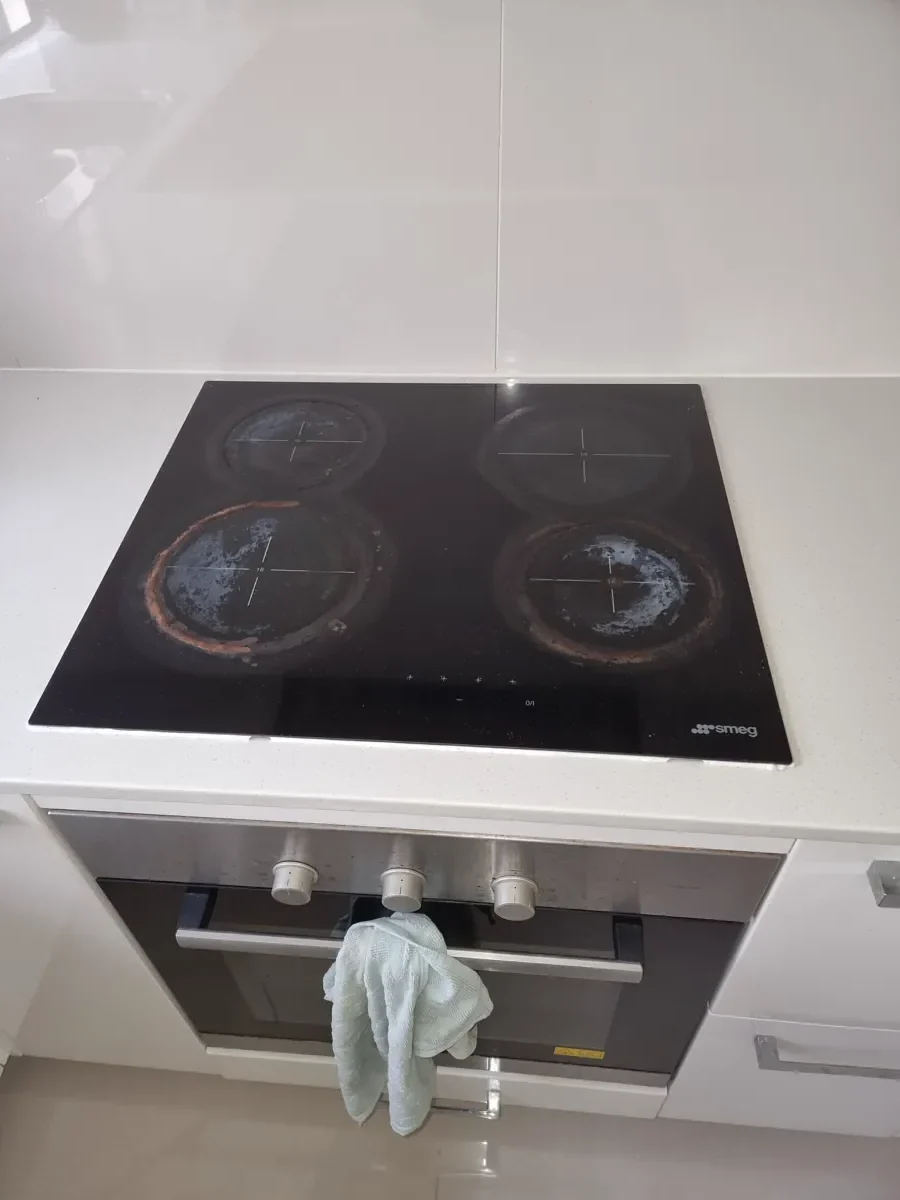

In a restaurant or catering kitchen, downtime measured in hours costs thousands. A commercial fryer stops heating during dinner service, and you’re missing out on all those fried orders. Your reach-in refrigerator suddenly struggles to maintain temperature, and you’re at risk of losing thousands worth of fresh ingredients. The dishwasher won’t complete a cycle, so your serviceable cutleries and plates are running dangerously low. In Melbourne, Sydney, Brisbane, Adelaide, Perth – or anywhere, really – a broken piece of commercial equipment equates to revenue lost, customers turned away, and staff standing idle.
The good news? Most commercial kitchen breakdowns can be prevented with simple, consistent maintenance. We’ve polled our technicians here at National Appliance Repairs about this, and everyone overwhelmignly agree that you don’t need to be a technician, just a routine!
Why Commercial Equipment Breaks: It’s Not Random
Commercial appliances work harder than domestic ones. They run 16+ hours daily, under constant heat stress, with heavy use that would destroy a residential-grade appliance in weeks. Without preventative maintenance, even the best, most expensive equipment will fail prematurely.
Consider this: after months of running constantly, a commercial fridge’s condensers are bound to get dirty. If they aren’t cleaned, they’d have to work harder, driving up energy costs and accelerating the risk of a compressor failure. The thing is that cleaning dirty condensers isn’t difficult – it can be done with some elbow grease and standard cleaners. Just an hour or two of your day can prevent a $2,000 repair. The same thing goes for a lot of other appliances.
Daily Maintenance: What Your Staff Should Do Every Shift
You don’t need a technician for daily care. Your team can do this themselves in 10-15 minutes.
- Clean as you go. Grease and food buildup are the silent killers of commercial equipment. End each shift by wiping down all appliance surfaces. For fryers, drain the oil and strain it. For grills and cooktops, scrape residue while they’re still warm. For refrigerators, wipe down shelves and remove any spilled food immediately.
- Check drain systems. Commercial kitchens generate constant grease and debris. Clogged drains force backups that stress equipment. Empty grease traps at the end of each shift. Check that drain lines flow freely. A $2 drain plug that’s easy to empty saves you from a $500 emergency call.
- Inspect equipment before service. Spend 30 seconds checking each appliance before you start cooking. Does the fryer heat to temperature? Is the oven reaching the right setting? Is the refrigerator at the correct temperature? Early warning signs catch problems before they shut you down. Unusual noises, inconsistent temperatures, or strange smells matter. Report them immediately.
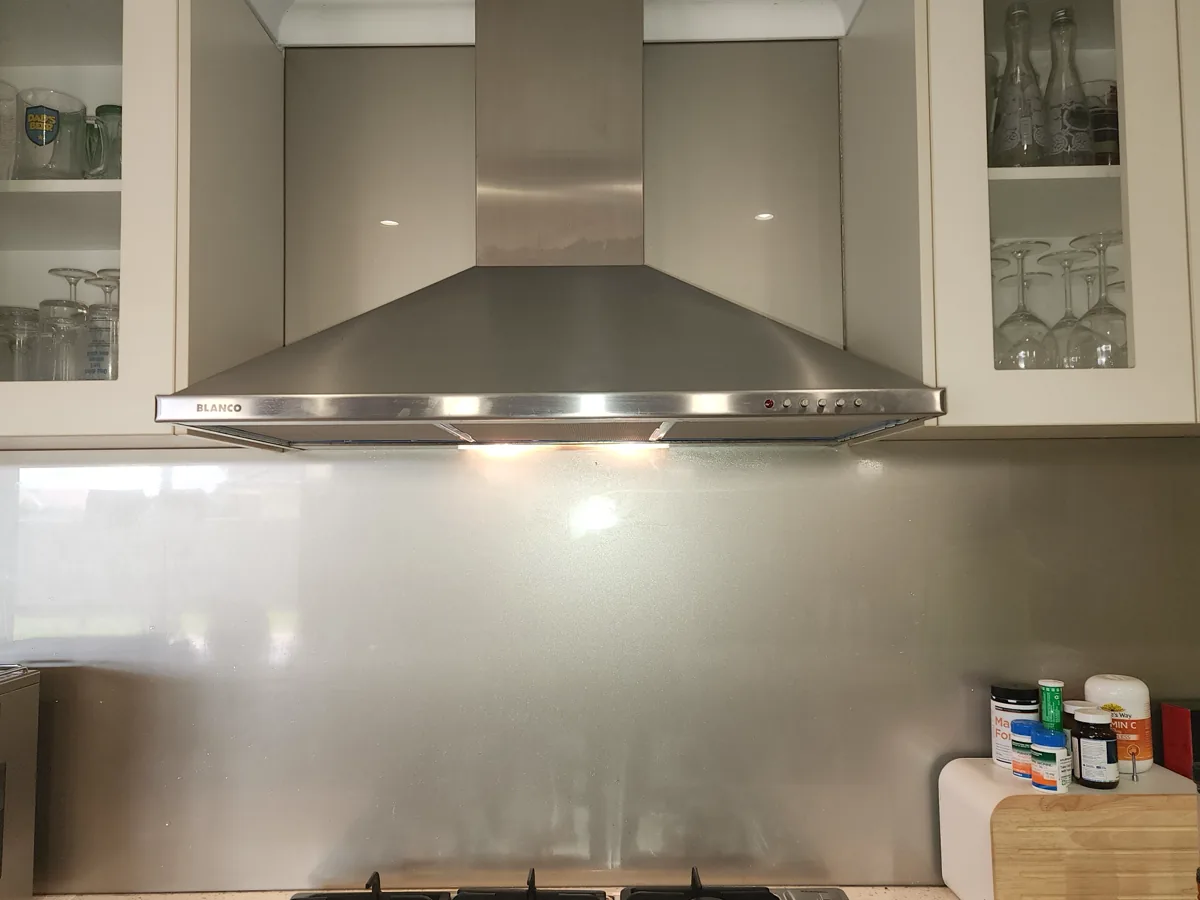
- Keep vents clear. Exhaust hoods collect grease fast. Blocked filters reduce airflow, strain equipment, and create fire hazards. Clean hood filters every shift. A clogged exhaust system forces your cooking equipment to work in excessive heat, which accelerates failure.
Weekly Checks: Get Your Hands Dirty Once a Week
Set aside one shift per week for deeper cleaning. This is when you tackle things that build up.
- Soak and scrub removable parts. Once weekly, remove oven racks, grill grates, fryer baskets, and dishwasher spray arms. Soak them in commercial-grade degreaser for 15-30 minutes. Scrub off stubborn buildup. This prevents the hidden residue that causes slow performance or mechanical strain. Schedule this during your slowest shift so equipment sits idle anyway.
- Vacuum condenser coils. Pull your refrigerators and freezers away from the wall. Grab a vacuum and gently clean the dust and grease from the condenser coils on the back. Dust buildup here is one of the most common reasons commercial fridges fail early. A 10-minute cleaning saves hundreds.
- Check seals and gaskets. Door gaskets on refrigeration units are critical. A torn seal wastes tremendous energy and compromises food safety. Inspect them weekly. If you notice cracks or deterioration, order a replacement immediately. A new gasket costs $50-150. A failed compressor costs $2,000+.
- Inspect belts and moving parts. Look for signs of wear on fan belts, drive belts, or moving components. A belt that’s starting to fray or slip will fail soon. If you hear squealing sounds, that’s often a belt warning sign. Replacing a belt before it breaks is cheap. Replacing equipment because the belt snapped and caused cascading damage is expensive.
Monthly Deep Dives: When You Call in a Professional
Some maintenance tasks require expertise. Schedule professional inspections monthly. This is non-negotiable for commercial kitchens.
- Professional thermometer and thermostat calibration. A commercial oven running 25 degrees off target ruins recipes and frustrates customers. A fryer at the wrong temperature produces inconsistent food. Have a technician calibrate thermostats, temperature probes, and gauges monthly. This single task prevents waste and ensures food quality.
- Full equipment inspection. A trained technician can spot issues you’ll miss. They check electrical connections, gas lines (if applicable), mechanical components, and safety systems. During one monthly visit, they can catch problems before they become emergencies.
- Deep clean coils and internal components. While your daily vacuum helps, coils sometimes need professional-grade cleaning. Built-up residue reduces efficiency. A professional cleaning restores performance.
- Document everything. Keep detailed records of maintenance, repairs, and any issues. This helps you spot patterns. If a piece of equipment needs repairs every month, replacement might be cheaper than endless fixes. Records also help with health inspections and warranty claims.
Build a Preventative Maintenance Toolkit
Keep specific supplies on hand so staff can handle maintenance without hunting for parts.
- Door gaskets for refrigeration units (these wear out often)
- Replacement filters for ice machines, water filters, and exhaust hoods
- Belts specific to your equipment (know your model numbers)
- Replacement knobs and handles
- Grease trap supplies and degreaser (food-safe)
- Light bulbs for ovens, walk-ins, and warming units
When new equipment arrives, immediately order a spare set of critical consumables. You’ll have them on hand instead of scrambling during emergencies.
The Maintenance Mentality Shift
Preventative maintenance requires a mindset change from “fix it when it breaks” to “prevent it from breaking.” This shift costs money upfront but saves far more long-term.
A restaurant running on thin margins can’t absorb surprise $3,000 repair bills. But spending $500 monthly on scheduled maintenance? That’s budgetable. It’s planned. It prevents downtime that would cost $5,000 in lost revenue.
In Brisbane, Melbourne, Sydney, Adelaide, and Perth, where competition is fierce, kitchen uptime is a competitive advantage. A café with reliable equipment serves more customers. One with constant breakdowns loses both reputation and revenue.
Frequently Asked Questions
How often should we have professional maintenance? Monthly seems expensive.
Monthly is the standard for high-use commercial kitchens, but frequency depends on your equipment load and hours of operation. A small café with one or two appliances might do quarterly. A full restaurant with heavy use should do monthly. Think of it as insurance. One prevented breakdown pays for months of maintenance. Call National Appliance Repairs to discuss what makes sense for your specific setup.
Our equipment is old. Is preventative maintenance worth it, or should we replace?
Old equipment (8+ years) often costs more to maintain than new. But preventative maintenance can extend lifespan while you plan for replacement. A professional technician can assess your equipment and give honest advice on whether repairs or replacement makes sense. Many restaurants maintain old equipment while budgeting for new — maintenance buys time while you save.
What’s the difference between our staff doing maintenance versus a professional?
Daily and weekly tasks your staff can handle: cleaning, visual inspection, simple checks. Professional maintenance covers calibration, electrical systems, gas line inspection (where applicable), internal component checks, and diagnostic work. Your staff keeps things running. Professionals catch what’s hidden and prevent failures. You need both.
We’ve had three emergency calls in six months. What does this mean?
Frequent breakdowns indicate something is wrong. Either the equipment is at end-of-life, maintenance isn’t happening consistently, or there’s a specific problem repeating. Call a professional for a comprehensive assessment. They can identify whether you’re fixing the same issue repeatedly (which means something bigger needs attention) or if different problems suggest the equipment needs replacement.
How do we know if we’re doing enough maintenance?
Simple test: are you having unexpected breakdowns during service? If yes, you need more maintenance. If breakdowns are rare and scheduled around your slow hours, you’re doing it right. Track maintenance over time. After 3-6 months of consistent schedules, you’ll see whether your kitchen is more stable. Equipment will feel more reliable, and energy bills often drop as things run more efficiently.
When to Call National Appliance Repairs
Your monthly professional maintenance should be with a service provider who understands commercial requirements. They should stock parts for emergencies. They should understand food safety compliance and health code requirements.
National Appliance Repairs handles commercial kitchen equipment across Australia. They provide preventative maintenance contracts, emergency repairs, and equipment assessment. They understand commercial kitchens need same-day response times and minimal downtime.
Don’t wait for equipment to break. Schedule preventative maintenance. Document everything. Train your staff on daily care. The money you spend preventing problems is the best investment your kitchen can make.