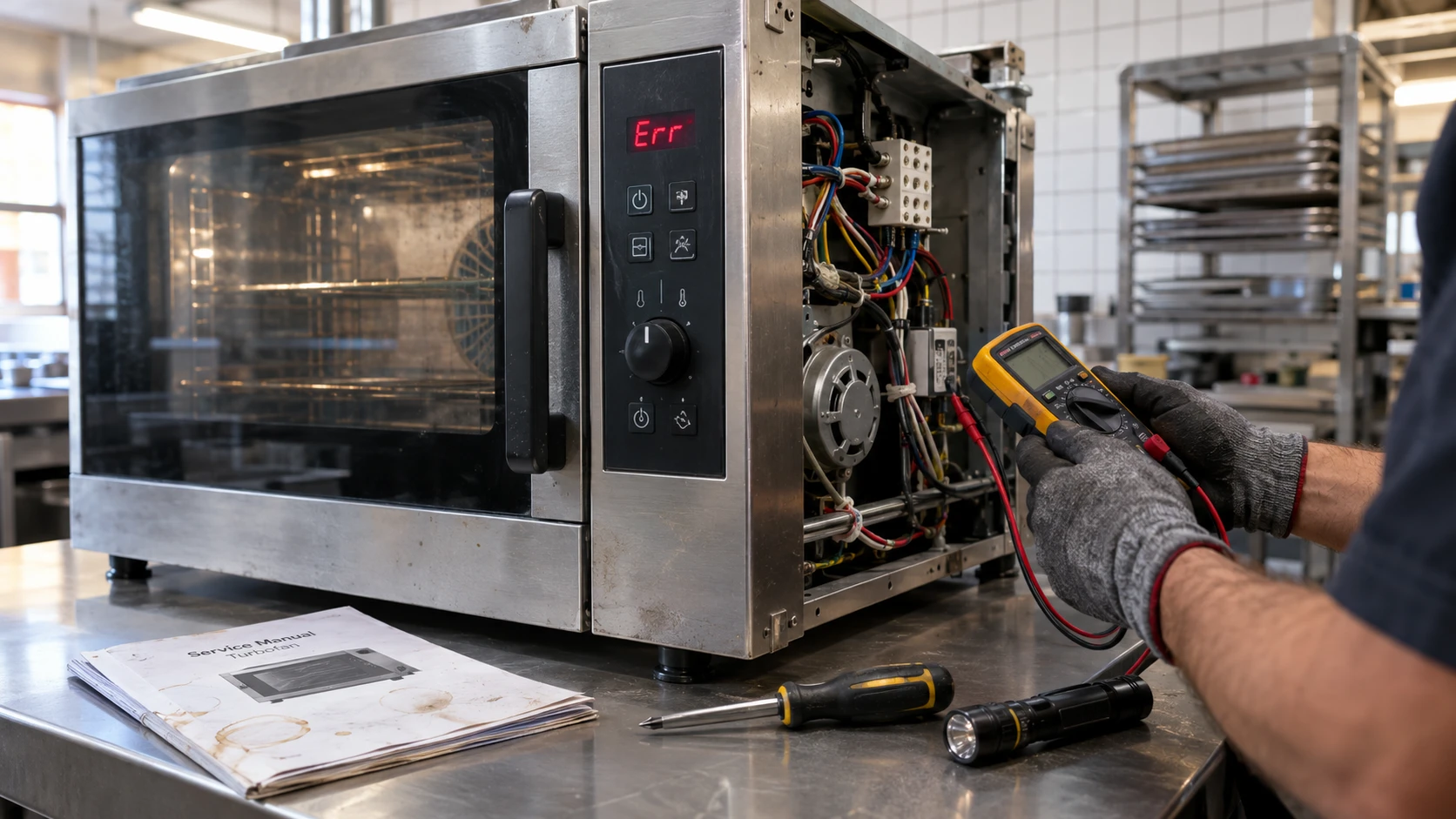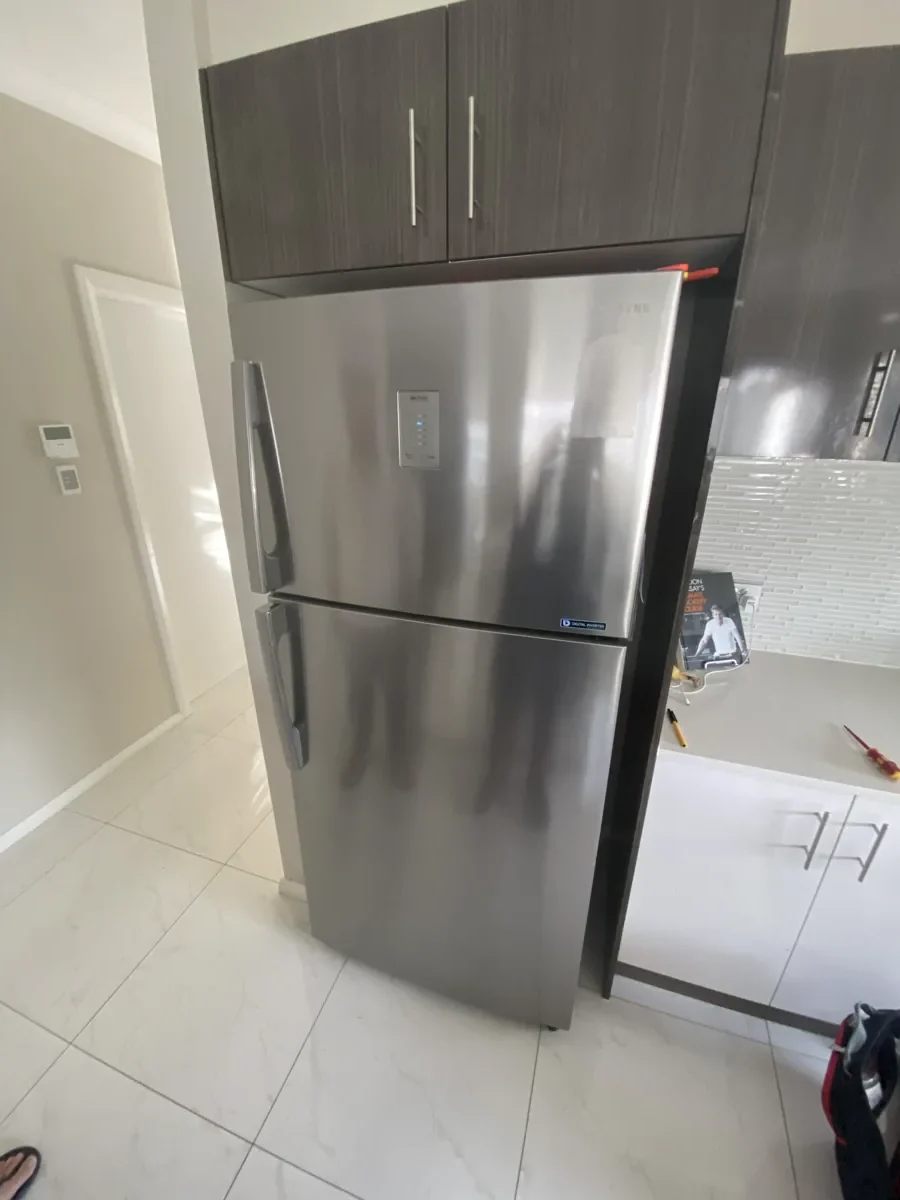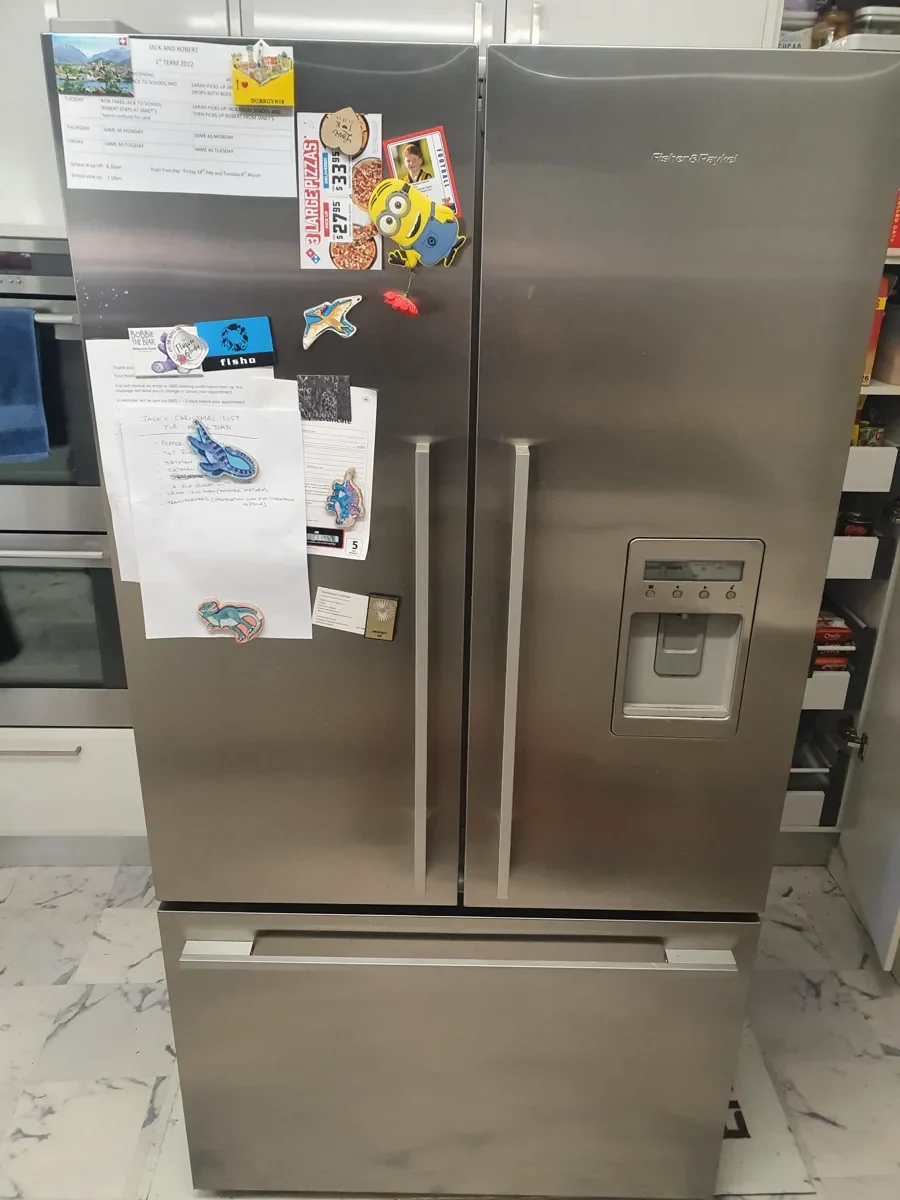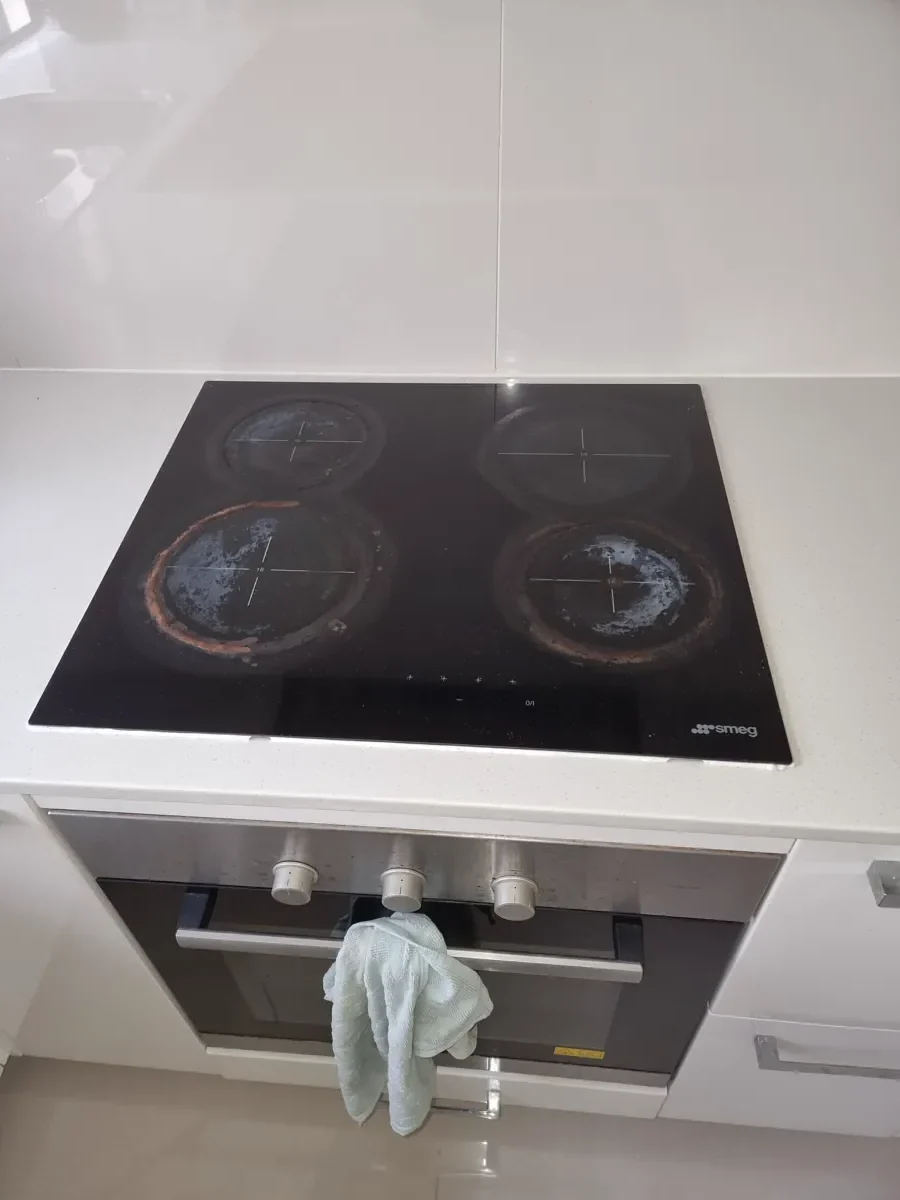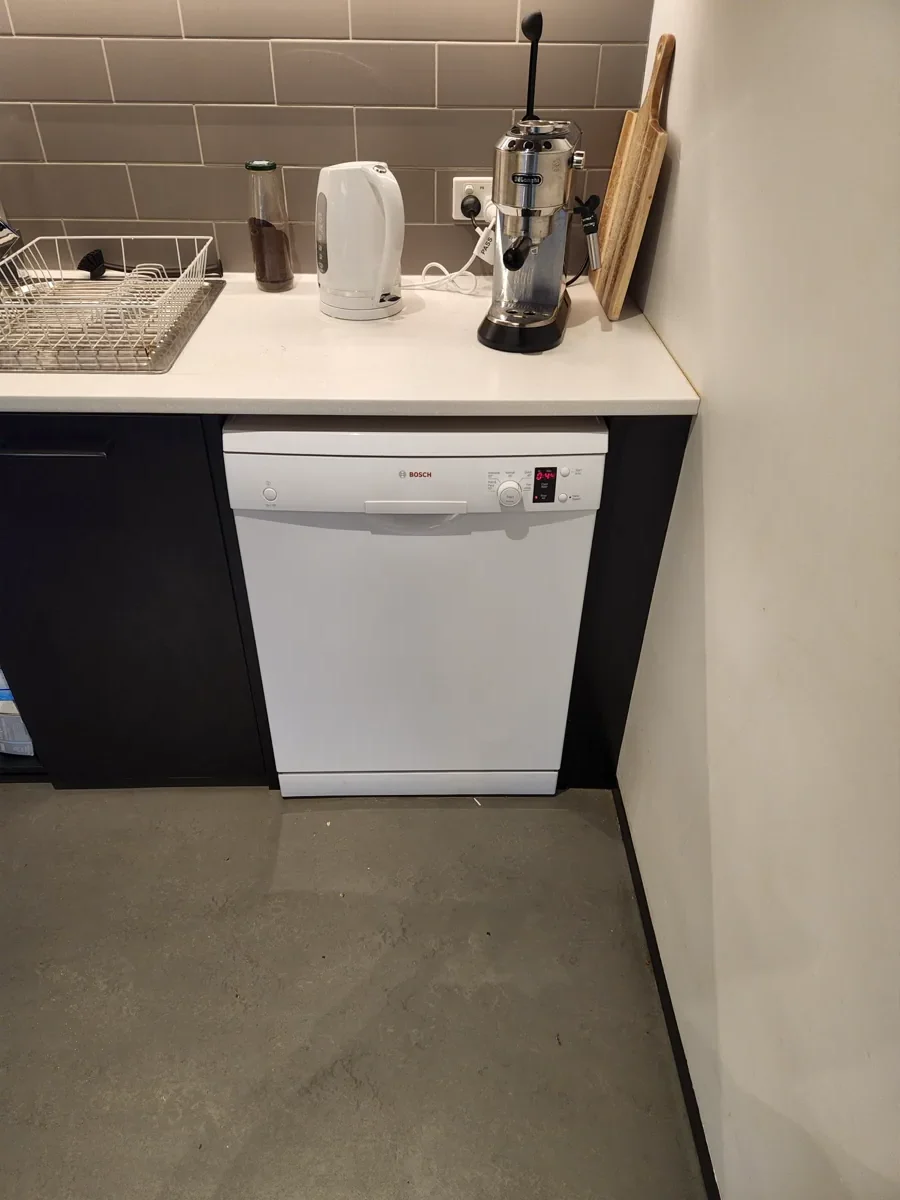


Your appliance has broken. A technician gives you a repair quote. Now you face the decision: fix it or buy new?
This isn’t always an obvious choice. A $300 repair on a 6-year-old appliance makes sense. A $400 repair on a 12-year-old appliance does not. The decision depends on multiple factors: age, repair cost, replacement cost, energy efficiency, and expected lifespan. The team at National Appliance Repairs helps customers make this decision every week, and we’ve developed a framework that removes guesswork. This guide walks you through that same decision-making process with examples and real numbers so you can make the right call for your situation.
The 30% Rule: A Starting Point
Here’s a quick rule that applies to most appliances:
- If the repair costs less than 30% of a new appliance’s price, repair usually makes sense.
- If the repair costs more than 50% of replacement, replacement usually makes sense.
The zone between 30-50% is where you need to think more carefully.
Example: Your refrigerator’s compressor has failed. Repair cost is $450. A new refrigerator costs $1,500.
$450 / $1,500 = 30%. You’re right at the boundary. Either decision is defensible. You need other factors to push you one way or another.
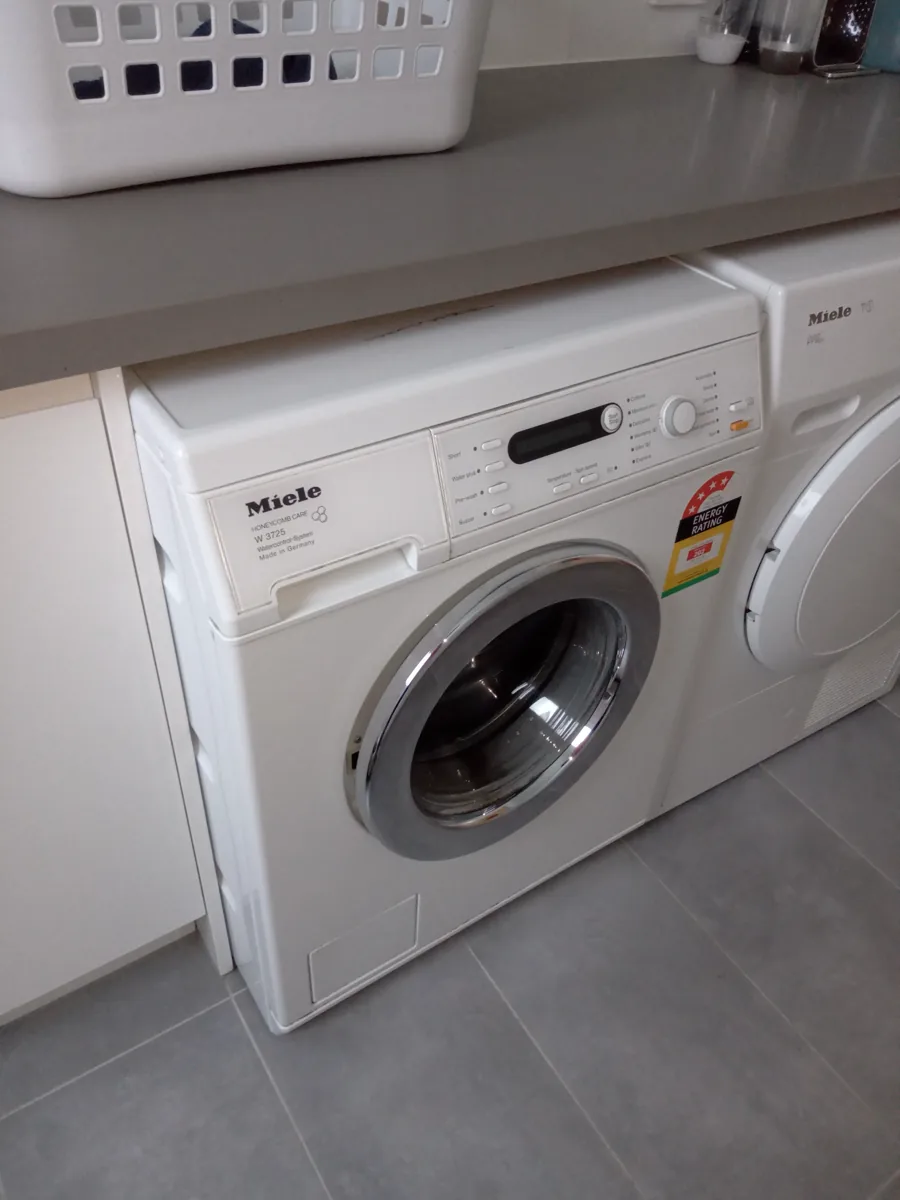
Example: Your washing machine needs a new motor. Cost is $400. A new washing machine costs $1,000.
$400 / $1,000 = 40%. You’re in the thinking zone. Age and other factors matter.
Example: Your dishwasher needs a new pump. Cost is $250. A new dishwasher costs $900.
$250 / $900 = 28%. Repair is clearly the better choice unless other factors are at play.
This rule is a starting point, not a final answer. Use it to frame your thinking.
Additional Factors That Influence the Decision
Age of the appliance. This is the single biggest factor after repair cost.
- Appliances under 5 years old: Repair almost always makes sense. The appliance has significant lifespan remaining. An investment in repair extends the useful life.
- Appliances 5-8 years old: Repair makes sense if the repair cost is reasonable. The appliance has several more years ahead.
- Appliances 8-10 years old: You’re in the decision zone. Repair might extend life 2-3 more years. Is that worth it? Consider how much longer you want to keep this appliance.
- Appliances over 10 years old: Replacement often makes sense. You’ve gotten good life from it. A new, efficient appliance will serve you better long-term. However, if the repair is cheap (under $200) and the appliance still works otherwise, repair is defensible.
Expected remaining lifespan. Ask the technician: “How much longer would I realistically get from this appliance if I repair it?”
If they say “probably another 5-7 years,” that pushes you toward repair.
If they say “this repair extends life 1-2 years, but you’ll probably face other issues soon,” that pushes you toward replacement.
Reliability history. Has this appliance been reliable, or has it had multiple repairs?
One major repair in an appliance’s lifetime is normal. A repair at year 4 or 5 is nothing unusual.
Multiple repairs in the past 18 months are a red flag. You’re pouring money into a declining appliance. Replacement might be smarter.
Energy efficiency. Older appliances use more electricity than new models.
A new refrigerator uses 20-30% less energy than a 10-year-old model. Over 10 years, that savings can offset the replacement cost.
A new washing machine uses significantly less water and electricity than older models.
For appliances you use frequently (refrigerators, washing machines, dishwashers), energy savings can be substantial.
Calculate the potential savings. Australia’s electricity rate is approximately 27 cents per kWh. If a new appliance uses 30% less energy and your current appliance costs $100/year to run, the new one saves roughly $30/year. Over 10 years, that’s $300 in savings. This doesn’t cover replacement cost, but it factors into the decision.
Your budget. Can you afford replacement right now?
If the repair is $300 and you can afford it, repair solves the immediate problem. You don’t have to budget for a replacement for several more years.
If replacement costs $1,500 and you’re not in a position to spend that now, repair buys you time. You can plan for replacement in 1-2 years when finances allow.
Emotional attachment or preference. This is valid.
If you love your appliance and it’s served you well, repair makes sense.
If you’ve been wanting to upgrade to a different style or brand, replacement is the opportunity.
The Break-Even Analysis for Major Appliances
For appliances you use frequently, calculate whether replacement makes financial sense over time.
Example: Washing Machine
Current washing machine: 10 years old, costs $150/year to run (electricity and water). Repair needed: $350 (motor replacement). New washing machine: Costs $900, uses 30% less energy/water, estimated yearly cost $100.
If you repair: Spend $350 now. Run the old machine for another 2-3 years at $150/year = $300-450 total cost.
If you replace: Spend $900 now. Run new machine for 10 years at $100/year = $1,900 total cost over 10 years.
Over the 2-3 year period, repair is cheaper. Over a 10-year period, replacement might be comparable or slightly cheaper when you factor in energy savings and no additional repairs.
This analysis helps you see the long-term financial impact of your decision.
When Repair Is Almost Always Better vs. When Replacement Is Almost Always Better
| Factor | Repair Makes Sense | Replacement Makes Sense |
| Appliance age | Under 8 years old | Over 12 years old |
| Repair cost vs. replacement | Less than 30% of new appliance cost | More than 50% of new appliance cost |
| Repair history | First major repair, otherwise reliable | Multiple repairs in past 2 years |
| Energy efficiency gain | Minimal (older unit comparable to new) | Significant (new model uses 20-30% less energy/water) |
| Expected lifespan remaining | Several more years of reliable service | End of life approaching; further failures likely |
| Your timeline | Plan to keep appliance several more years | Staying long-term; want new reliability |
Use this table to assess your situation. If most factors fall in the “Repair” column, repair is the right choice. If most fall in the “Replace” column, replacement is smarter financially and practically.
Frequently Asked Questions
Is it ever worth replacing an appliance that still works?
Yes, if energy savings or functionality improvements justify the cost. An ancient refrigerator using 40% more electricity than a new model might cost you $300+ annually in wasted energy. Replacement might pay for itself in 5 years through savings alone. But if the appliance still works fine, there’s nothing wrong with keeping it.
What if I can’t afford replacement right now?
Repair buys you time. A $300-400 repair extends life 2-3 years. You can plan for replacement when finances allow. This is perfectly reasonable.
Should I always repair, or should I always replace?
Neither. It depends on the specific situation. Use the framework: age, repair cost, replacement cost, reliability history, energy efficiency, and budget. These factors together determine the best decision.
If repair cost is 40% of replacement, what should I do?
You’re in the decision zone. Look at age and reliability history. If the appliance is under 7 years old and has been reliable, repair makes sense. If it’s over 10 years old or has had multiple repairs, replacement might be smarter.
Unsure whether to repair or replace your appliance?
National Appliance Repairs provides honest advice based on your specific situation. Our technicians assess age, reliability, and repair cost to recommend the best path forward. Call 1300 434 380 across Brisbane, Melbourne, Sydney, Adelaide, and Perth. We’ll give you a fair diagnosis and upfront quote so you can make an informed decision.