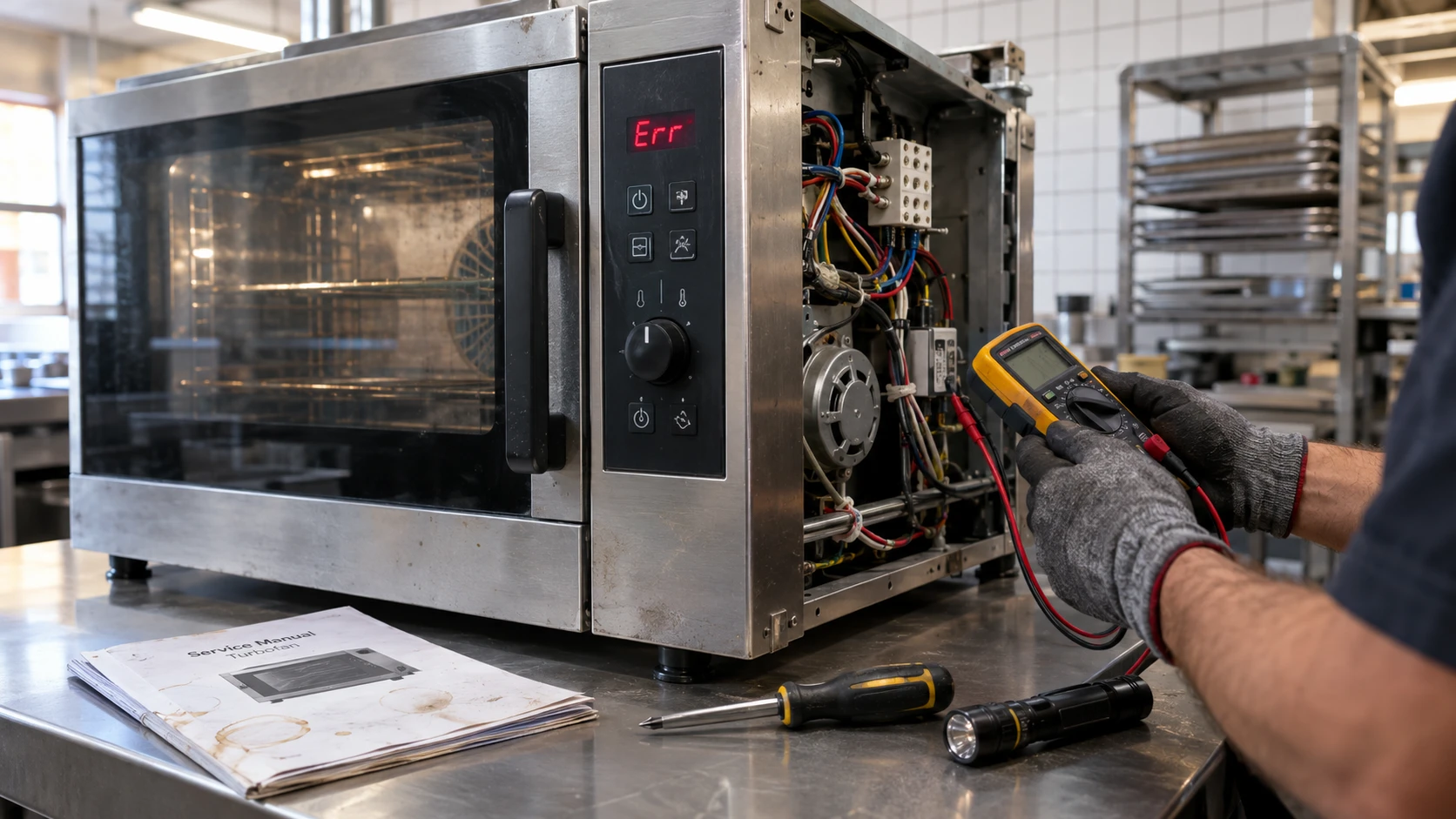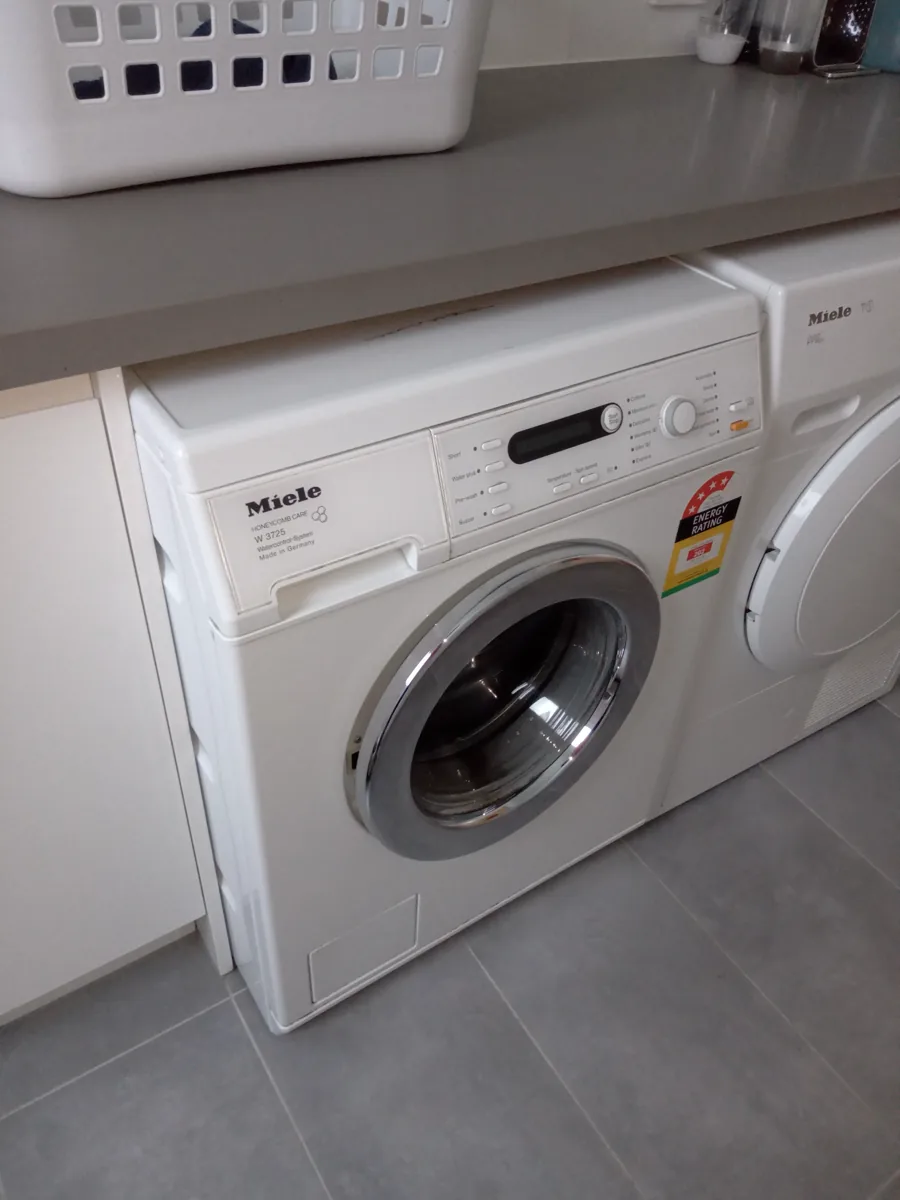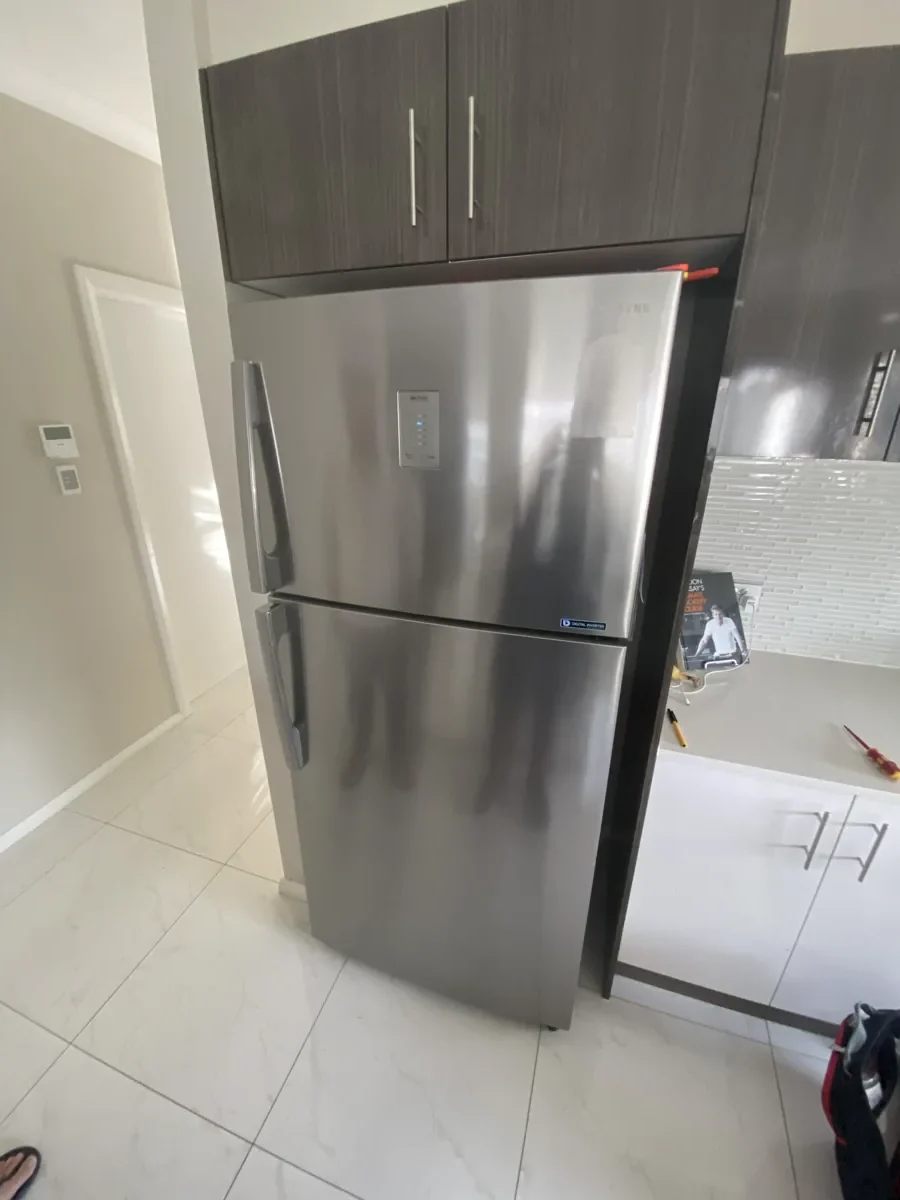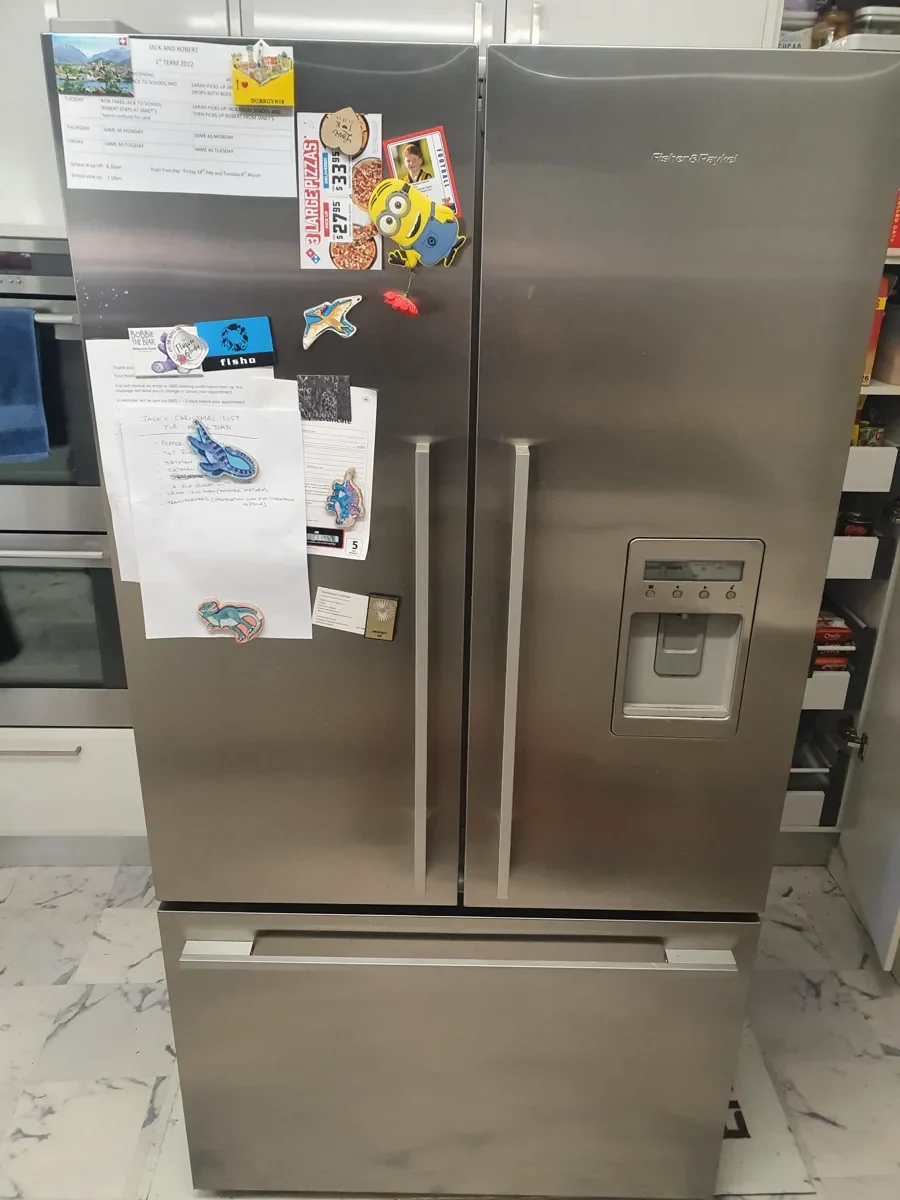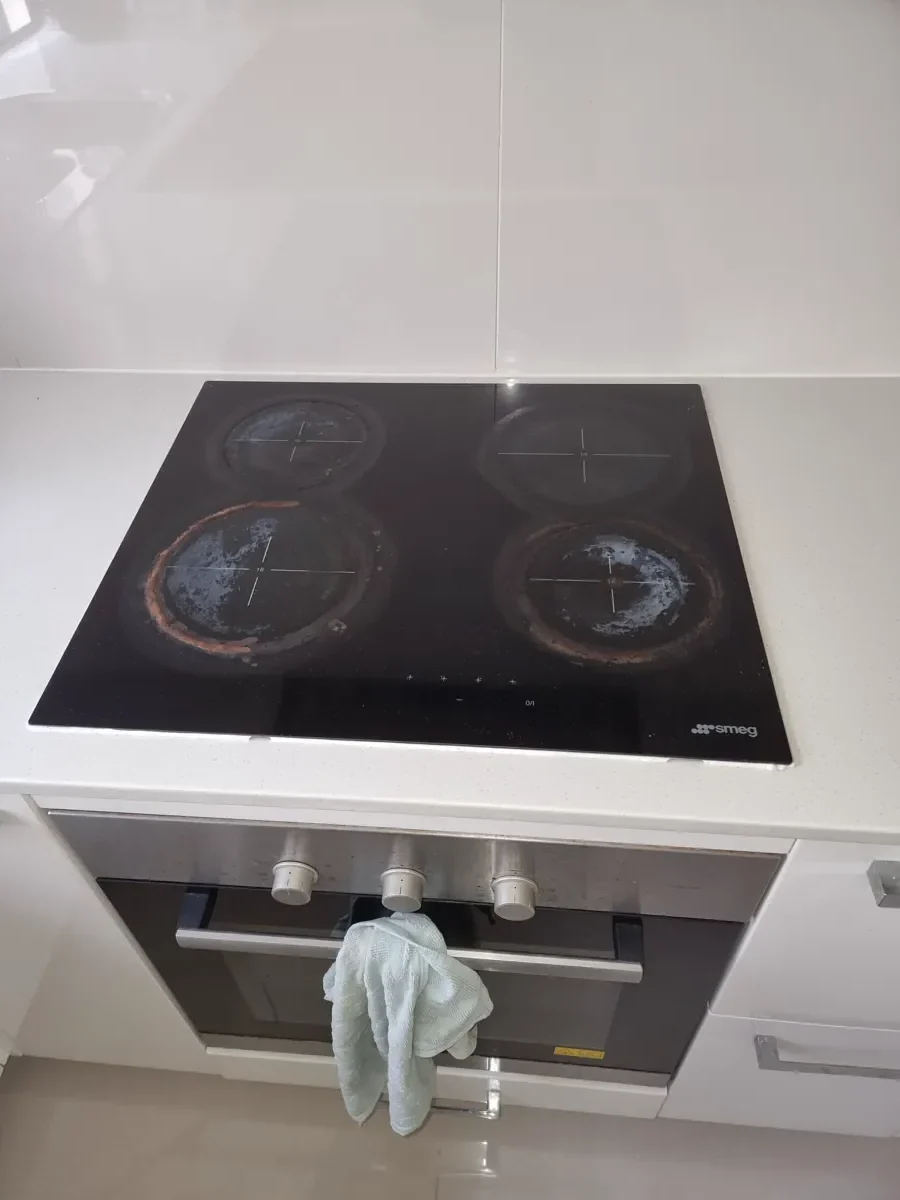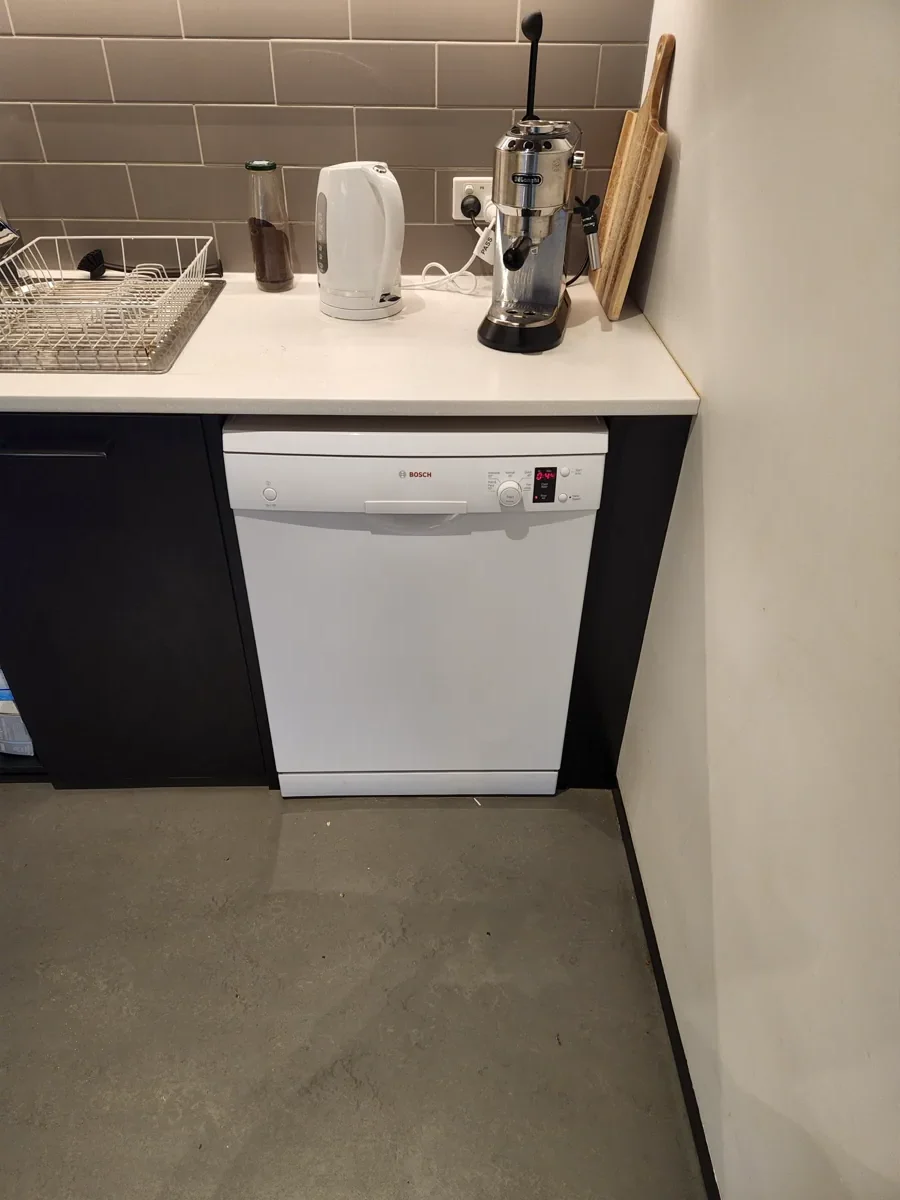


Is your 10-year-old washing machine making a terrible racket? Won’t your oven heat evenly? Is your old dishwasher leaving spots on everything?
Kitchen appliances last a long time, but after years of work, they start showing problems. Most people wonder: is it even worth fixing, or is it time for something new? With decades of experience repairing appliances across Australia, our technicians at National Appliance Repairs have a framework for this decision – one we use every day.
The 50% Rule – And Why It Usually Works
If the repair cost is more than 50% of what a replacement would cost, replace it.
It’s simple, but it works. Here’s why: if a major, expensive component is failing, others are often close behind. A washing machine that needs a new drum after 10 years will likely need other repairs soon too. Taking on the drum cost plus future repairs will exceed the cost of a new machine.
| Repair cost vs. replacement cost | Decision |
| Under 30% | Repair – almost always makes sense |
| 30–50% | Repair – but factor in appliance age and condition |
| Over 50% | Replace |
Example: your fridge seal is cracked. We typically quote $150 for this; a new fridge costs $1,500. That’s 10% – fix it. But if your 10-year-old washing machine needs a new drum at $600 and a replacement costs $1,200, you’re at 50% – borderline, and leaning toward replacement makes sense given the age.
How Old Is Too Old?
Appliance age is the second factor after repair cost. A cheap repair on a dying machine isn’t always good value – you’ll be back for more repairs within a year.
| Appliance | Typical Lifespan | If It Breaks Young | If It Breaks Old |
| Washing machine | 8–12 years | Repair | Replace – more failures are coming |
| Dishwasher | 7–10 years | Usually worth fixing under 7 years | Fails frequently in final years – consider replacing |
| Fridge | 10–15 years | Repair | Even a cheap repair may not be worth it – energy costs on old fridges are high |
| Gas oven | 10–15 years | Repair | Lean toward replacement for major faults |
| Electric oven | 13–15 years | Repair | Lean toward replacement for major faults |
| Cooktop (gas) | 10–15 years | Repair | Repair if fault is minor |
| Cooktop (electric) | 10–15 years | Repair | Lean toward replacement |
These aren’t hard rules – a well-maintained appliance may last longer, while a poorly used one may fail sooner. Use the table as a starting reference alongside the 50% rule.
Five Questions to Ask Before Deciding
1. What’s the repair cost vs. replacement cost?
Get an actual quote before deciding. Don’t guess. Call a technician, ask what the repair costs, then check the price of a comparable replacement. Apply the 50% rule.
2. How old is the appliance?
If it’s near the typical end-of-life age from the table above and needs a major repair, lean toward replacement. If it’s younger and needs a single component, lean toward repair.
3. What exactly is failing?
Some failures are death sentences; others are trivial. A failing compressor in a fridge usually means replace it. A cracked door seal? Definitely repair. The specific part matters enormously.
4. Is this a recurring problem?
First issue on an otherwise reliable machine? Fix it. Third visit from a repair technician in two years? That’s a machine ready to go. Chronic problems signal a broader failure pattern.
5. What would the replacement actually give you?
If you’re replacing with something significantly better – more energy-efficient, more features, better brand – the financial comparison changes. A $150 repair on an old fridge might make sense against a basic $600 replacement. But if a much better, more efficient model is available for $900, that changes the calculation.
The Hidden Costs of Older Appliances
Energy usage is the factor nobody thinks about until it’s too late.
- An old refrigerator uses 30–50% more electricity than a modern equivalent. Over a decade, that adds thousands to your power bill – particularly in Perth and Adelaide, where climate control already strains household energy budgets.
- An older washing machine might use 40% more water per load than a current model.
- An older dishwasher similarly uses more water and energy per cycle.
These differences compound over years. When deciding whether to repair a 12-year-old fridge, don’t just compare the repair cost to the new fridge cost. Factor in that the old fridge will cost $300+ more per year to run.

Common Scenarios and the Smart Decision
| Scenario | Decision | Why |
| 4-year-old fridge, cracked seal: $150 repair vs. $1,500 replacement | Repair | 10% of replacement cost; appliance is young |
| 12-year-old washing machine, new drum: $600 repair vs. $1,200 replacement | Replace | 50% threshold, appliance is old, more failures likely |
| 8-year-old dishwasher, control board: $400 repair vs. $800 replacement | Either – assess carefully | 50% threshold; consider brand reliability and how you feel about the machine |
| 6-year-old oven, heating element: $80 repair vs. $1,000 replacement | Repair | 8% of replacement cost; young machine, simple part |
| 14-year-old oven, heating element: $80 repair vs. $1,000 replacement | Still repair | Even though it’s old, the repair is so cheap it makes sense – but budget for replacement soon |
| 9-year-old fridge, second failure in 18 months: $500 repair vs. $1,500 replacement | Replace | Pattern of failures + high energy costs on old fridge = replacement wins |
Frequently Asked Questions
If my appliance is under warranty, should I always repair rather than replace?
Not necessarily. Warranty doesn’t change the economics. If the repair cost is still more than 50% of replacement, the decision stays the same. That said, check your warranty terms first – some only cover specific parts, leaving you responsible for labour costs.
What if the repair technician recommends replacement but I want to try repair?
You have every right to try. Ask them to be specific about why they recommend replacement: is it because the repair is risky and might fail again? Because parts are hard to source? Because the appliance is near end-of-life? Understanding their reasoning helps you decide. If you still want to repair, get a written quote and understand the risks going in.
Are refurbished appliances a good middle-ground option?
Sometimes. A refurbished appliance from a reputable seller offers some risk reduction compared to used. But quality varies widely – check the warranty carefully. A 30-day warranty is risky; a 12-month warranty is reasonable. Refurbished makes most sense when you want an upgrade without buying brand new.
Should I factor in the inconvenience of being without an appliance?
Yes, but don’t let it override the numbers. A repair might take a week. That’s genuinely inconvenient. But ask: can I manage for that long? If being without a washing machine for a week means constant laundrette trips or clothes pile-up, that has real cost. But if it’s a minor inconvenience, it shouldn’t override the 50% rule.
I’m staying in my home for 20+ years. Does that change the calculation?
Somewhat. If you’re staying long-term, longevity matters more than usual. A 12-year-old appliance that’s repaired might fail again within 3 years, costing you another repair – and another disruption. Replacement with a new appliance protects you for the next decade-plus. That said, the 50% rule still applies. Don’t replace something purely because it’s old if the repair is cheap and the machine is otherwise reliable.
Getting Professional Advice
The best resource you have is a good repair technician. National Appliance Repairs operates across Melbourne, Sydney, Brisbane, Adelaide, and Perth. We can diagnose what’s wrong, quote the repair, and give you an honest opinion on whether replacement makes more sense – based on what we’ve seen from hundreds of appliances at exactly this decision point.
Stop guessing. Get a quote. Then decide from a position of actual information.
Call 1300 434 380 or book online.