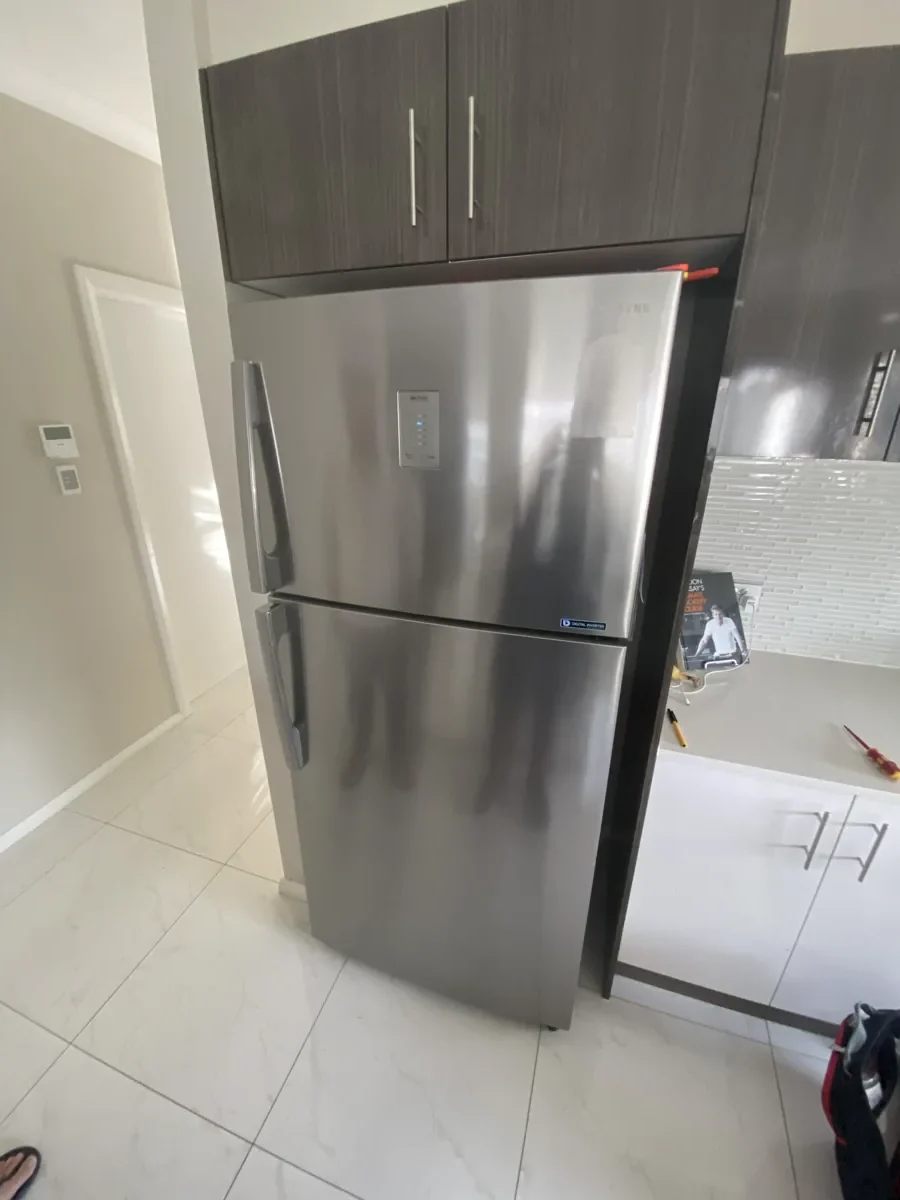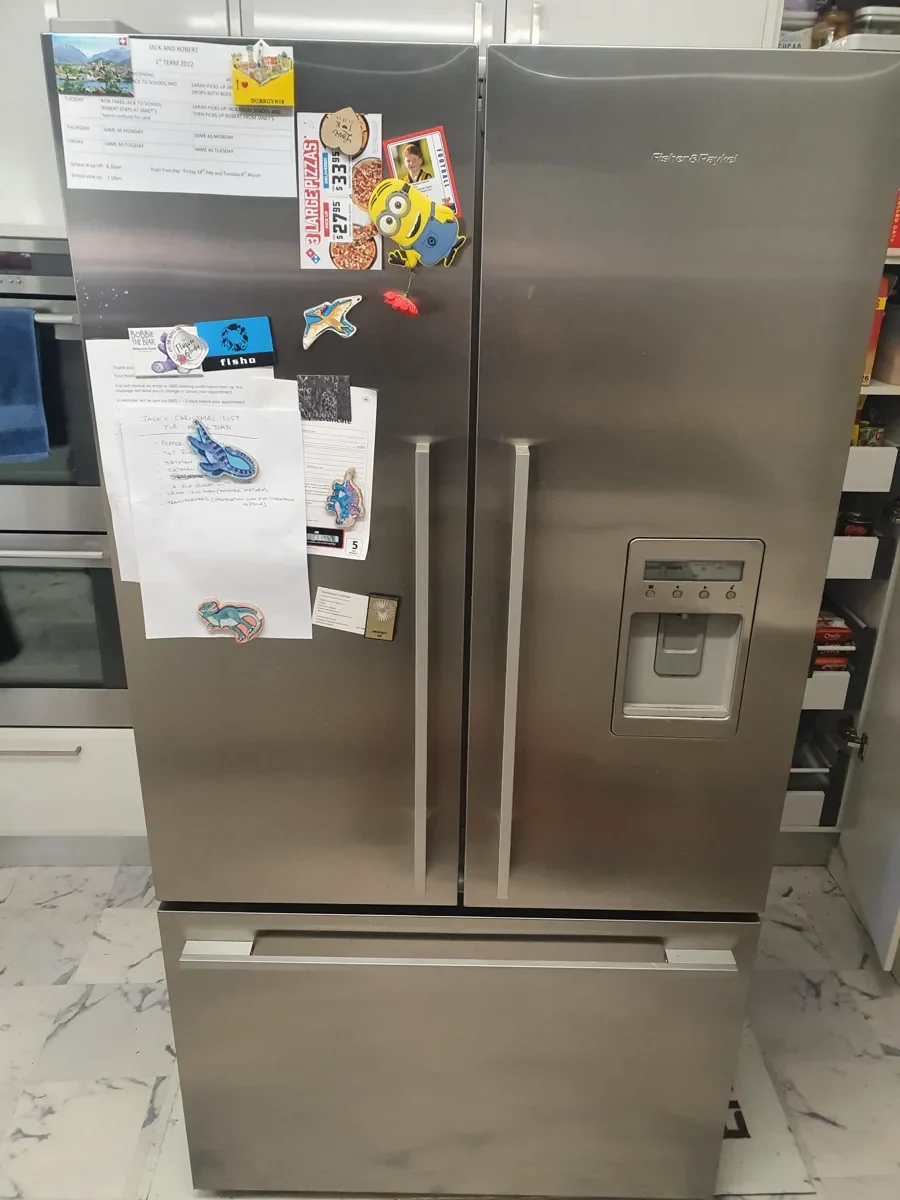


Your fridge stops cooling at midnight. Your ice cream’s melting. Your milk’s getting warm. But before you panic and book an expensive service call, try troubleshooting it yourself first! As it turns out, some of the most common fridge issues that we’ve seen our customers face aren’t actually mechanical failures and could be fixed in as little as 10 minutes.
So, to save you $150+ and a couple of hours wait for a technician to fix your refrigerator, our professionals at National Appliance Repairs will walk through the most frequent issues people encounter, and which ones you can genuinely fix at home in this article.
The Most Common Fridge Problems (And How to Check Them)
The Fridge Isn’t Cooling Properly
This is the number one complaint. Before assuming your compressor is dying, check these basics:
- The thermostat setting. Sounds obvious, but it’s shockingly common. Someone bumps the dial by accident, or a child adjusts it. Your fridge should typically sit between 35-38°F (1-3°C). If yours is set to 1 when it should be at 5, that’s your problem.
- The vents are blocked. Behind the scenes, your fridge has small vents that direct cold air from the freezer to the fridge section. If they’re clogged with ice or debris, cold air can’t reach the main compartment. Take a look inside the back. If you see ice buildup, it might just need defrosting or gentle clearing.
- The door seal is compromised. Run your finger around the rubber gasket (the seal on the door). If it feels cracked, sticky, or doesn’t seal properly, warm air will constantly leak in. When the door doesn’t close tightly, your fridge works overtime trying to maintain temperature. A failing seal is one of the most common reasons fridges struggle to stay cold across Australian homes.
- The condenser coils are filthy. These coils sit on the back or underneath your fridge and they collect dust, pet hair, and grime. When they’re blocked, they can’t release heat effectively. Unplug your fridge, find the coils, and vacuum them carefully. You’d be amazed how much dust can accumulate back there. This simple maintenance often restores cooling dramatically.
The Fridge Is Making Weird Noises
Fridges make sounds all the time – a normal one will put off a slight humming. The occasional clicks when the compressor cycles on and off are also normal.
But if you’re hearing loud grinding, unusual rattling, or constant clicking? That’s worth investigating. Check if something’s knocked loose inside. Sometimes a shelf comes partially dislodged, or a fan blade is touching plastic. In Sydney and Melbourne, where homes experience temperature fluctuations, loose components inside the fridge can shift quite often.
The Fridge Is Running Constantly
Contrary to popular belief, your fridge isn’t running all day. Once it’s hit the correct temperature, the compressor will automatically cycle off – it being on all the time is a problem.
If yours is cycling on and off constantly, something’s forcing it to work overtime. Usually this points back to poor sealing or a thermostat issue. Check your door seal first, then make sure the thermostat isn’t set too cold.
Water Pooling Inside or Underneath the Unit
The culprit’s typically the drain system. Most fridges have a small drain hole at the back that lets condensation escape. If it’s frozen solid or clogged with food particles, water will pool inside. Check if you can locate and clear this drain. Sometimes it’s as simple as flushing it with warm water (you can use something like a glass turkey baster).
If water’s leaking underneath, it could be the drain pan. This usually sits under the fridge to catch condensation. Sometimes it cracks or gets knocked out of position. If you can access it, check whether it’s sitting properly or needs replacing.
What You Actually Need a Professional For
| Problem | Can You Fix It? | Why | Timeline |
| Thermostat settings incorrect | Yes | It’s just a dial adjustment | 5 minutes |
| Blocked vents or drain | Usually | Needs clearing, not replacement | 10-20 minutes |
| Dirty condenser coils | Yes | Vacuum access, no tools needed | 15 minutes |
| Faulty door seal | No | Requires professional gasket replacement | Same-day service available |
| Compressor problems | No | Mechanical failure needs diagnosis | Professional assessment required |
| Refrigerant leak | No | Dangerous, requires certified technician | Professional repair needed |
| Frozen drain line | Sometimes | Depends on location and accessibility | 20-30 minutes if accessible |
| Failed thermostat | No | Electrical component, needs replacement | Professional replacement |
If your fridge has been running fine for years and suddenly stops cooling, it’s probably something simple. But if it’s still struggling after you’ve tried the basics above, then you’re likely looking at a compressor issue or refrigerant problem – those are genuinely jobs for professionals.
When to Call National Appliance Repairs
Once you’ve checked the easy stuff, there’s no point waiting. If your thermostat adjustment didn’t help, your door seal is visibly damaged, or you’re pretty sure the compressor is the issue, get a professional diagnosis. Fridges are expensive appliances. The longer they run without proper cooling, the more likely you are to lose a whole freezer or fridge full of food. In Brisbane, Perth, and Adelaide, where summers get hot, a broken fridge becomes urgent quickly.
National Appliance Repairs covers all the major Australian locations and cities — Melbourne, Sydney, Brisbane, Adelaide, and Perth. A technician can visit same-day in many cases, diagnose the problem accurately, and either fix it on the spot if they have the part, or give you an upfront quote before sourcing anything. They handle everything from simple seal replacement to complete compressor diagnosis.
The $154-$198 service call might seem steep when you’re hoping for a DIY fix, but it beats guessing and accidentally causing more damage. Plus, if they fix it, you get a 12-month warranty on parts and 3 months on labour.
Frequently Asked Questions (FAQs)
Can a fridge be too cold? What happens if I set it lower than recommended?
Yes. Setting your fridge below 35°F can cause the thermostat to cycle on and off constantly and ice can build up in the vents, blocking airflow. This forces the compressor to work harder and make cooling less efficient.
My fridge is cold on one side but warm on the other. Is that fixable?
Usually, yes. This typically points to a blocked vent between the freezer and fridge sections. Check if ice has accumulated in the vents and clear it gently. If that doesn’t help, the damper (a valve that controls airflow) might be stuck or broken, which means a professional repair.
How often should I actually clean the condenser coils?
Every 6-12 months is ideal, depending on your home. If you have pets that shed, live in a dusty area, or have the fridge in a kitchen with a lot of cooking, clean them more frequently.
What’s the actual difference between a fridge that “won’t cool” versus a slow cooldown?
A fridge that won’t cool at all suggests a serious problem — likely compressor or refrigerant. A fridge that cools slowly might just be clogged coils, a stuck vent, or running in a hot environment. Start with coil cleaning and seal checking before assuming it’s a mechanical failure.
The Bottom Line
You can spend 20 minutes checking the things we’ve mentioned, but don’t spend weeks troubleshooting a complex mechanical issue. If you’ve checked the obvious culprits and your fridge still isn’t cooling, it’s time to call someone qualified – our in-house-trained technicians at National Appliance Repairs are equipped for the job!
Call Us: 1300 434 380
Or book online and we’ll contact you to confirm your appointment.