

Your washing machine works hard every week, but when was the last time you cleaned it?
Most Australians run load after load without thinking about it, and over time that leads to soap scum, mineral deposits, and mould lurking inside the drum, the seal, and the detergent drawer. A dirty washing machine doesn’t just smell bad; it can leave residue on your clothes and run less efficiently, costing you more on your power bill.
At National Appliance Repairs, we see the effects of neglected machines every day. The good news is that a basic cleaning routine takes less than an hour of active effort, uses products you already own, and can genuinely extend the life of your appliance. Here’s everything you need to know.
Why Regular Cleaning Matters
Washing machine drums stay damp between cycles, which creates ideal conditions for mould and mildew growth. SafeWork NSW notes that mould reproduces by releasing spores into the air — exposure causes respiratory irritation, allergic reactions, and other health concerns. That musty smell on freshly washed clothes usually comes from mould spores transferred from a dirty drum or door seal.
But there’s more happening inside. Detergent residue accumulates in the drawer. Fabric softener leaves a coating on the drum. Hard water deposits mineral scale on the drum walls and internal pipes. Over time, your machine works harder than it should. Performance deteriorates. Efficiency drops.
You’re dealing with three separate problems: health hazard, performance loss, and machine strain.
What You’ll Need
- White vinegar (2 cups for front-loaders, 4 cups for top-loaders)
- Bicarbonate of soda (baking soda) — half a cup
- Microfibre cloths
- An old toothbrush
- Warm water
No expensive commercial cleaners are required, though a commercial drum-cleaning tablet is a fine alternative if you’re short on time.
How to Clean a Top-Load Washing Machine
Step 1: Vinegar soak
Set your machine to the hottest setting and biggest load size. Pour 4 cups of white vinegar straight into the drum — or dump it in the detergent dispenser if you prefer. Start the cycle. After about a minute of agitation, pause it. Now wait. One full hour. That’s the magic timing. The vinegar attacks mineral deposits, soap scum, mildew. Everything.
While it sits, grab a microfibre cloth and soak it in that warm vinegar water sitting in the tub. Wipe the lid rim. Get the inside top edge. Don’t miss the corners. Then take an old toothbrush — doesn’t have to be fancy — and scrub the detergent dispenser. Scrub the softener dispenser too. Really get in there.
Step 2: Baking soda
Finish the vinegar cycle when the hour’s up. Add half a cup of bicarbonate of soda to the drum. Run another full hot wash. The bicarb kills odours. It lifts away the junk that’s loosened. Simple.
Step 3: Done
Wipe out the drum with a clean damp cloth. Open the lid. Leave it open for at least 30 minutes. More if you can. The machine needs to dry out completely.
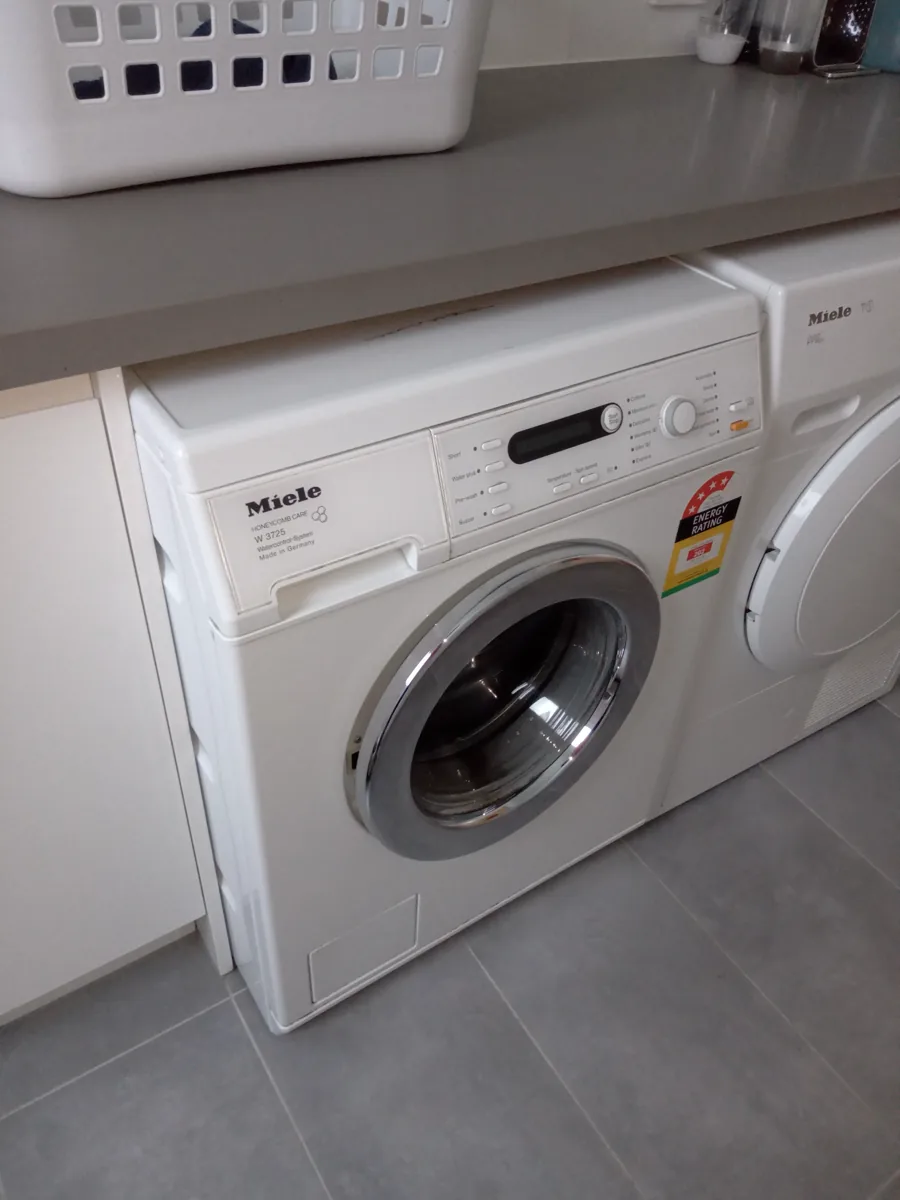
How to Clean a Front-Load Washing Machine
Front-loaders are particularly prone to mould around the rubber door gasket. Extra attention needed there. For more detail on front-loaders specifically, check our guide to cleaning front-load machines.
Step 1: Door gasket
Pull back the rubber seal. Inspect the folds carefully. Black mould is common. So is lint buildup and trapped water. Make a solution with equal parts white vinegar and warm water. Dip a cloth in it. Wipe the gasket firmly, getting into every fold. Use a toothbrush on stubborn spots.
Step 2: Hot vinegar cycle
Pour 2 cups of white vinegar into the detergent dispenser or directly into the drum. Select the hottest cycle available on your Australian machine — usually “Drum Clean,” “Tub Clean,” or “Cotton 90°”. Run the full cycle.
Step 3: Baking soda
Sprinkle half a cup of bicarbonate of soda into the drum (not the drawer). Run another hot cycle. This removes loosened deposits and deodorises.
Step 4: Detergent drawer
Press the small tab to click it out. Soak in hot soapy water for ten minutes. Scrub with a toothbrush. Rinse thoroughly. Dry completely before replacing.
Cleaning the Filter
Most Australian washing machines have a small pump filter located behind a panel at the front base of the machine. It’s designed to catch lint, coins, and debris before they reach the pump. A clogged filter is one of the most common reasons a washing machine stops draining properly — something our washing machine repair technicians see regularly.
To clean it:
- Place a shallow tray or towels underneath before opening, as water will spill out.
- Unscrew the filter slowly (anticlockwise) and let the water drain into the tray.
- Remove any lint, coins, or debris by hand.
- Rinse the filter under running water and scrub gently.
- Screw it back in firmly and close the panel.
Cleaning Frequency Summary
| Part of the Machine | Cleaning Frequency |
|---|---|
| Drum (top-loader) | Every two months |
| Drum (front-loader) | Monthly |
| Door gasket / seal | Monthly |
| Detergent drawer | Every 4—6 weeks |
| Pump filter | Every 3 months |
| Exterior | As needed |
Tips to Keep Your Machine Fresher for Longer
- Leave the door or lid ajar after every wash to allow airflow and prevent moisture building up inside
- Use the correct amount of detergent — too much creates excess suds that leave residue in the drum
- Avoid overusing fabric softener, as it builds up in the drum and contributes to “scrud” (that waxy residue on clothes)
- Run a hot wash at least once a fortnight if you mainly wash on cold cycles; the heat helps kill bacteria and mould
- Wipe the door seal dry after the last wash of the day
FAQ
How often should I clean my washing machine in Australia?
Front-loaders need cleaning monthly. Top-loaders can stretch to every two months. But if you’re in Sydney, Melbourne, or Perth — where hard water’s common — think about cleaning more often. Mineral scale builds up faster. You’ll notice it.
Can I use vinegar and bicarb soda together in the washing machine?
No. Don’t mix them. They neutralise each other and you lose both the cleaning power. Vinegar first, then — in a separate cycle — bicarb soda. Simple order.
Why does my washing machine smell even after cleaning?
Mould trapped in the door gasket folds. Or a clogged pump filter. Check both. If the smell hangs around after you’ve cleaned multiple times, the drum seal or internal components might be shot. You’d need a professional.
Is it safe to use bleach to clean a washing machine?
A small amount of liquid chlorine bleach works on a hot cycle in the detergent dispenser by working as a sanitizer. But never combine it with vinegar because it creates extremely toxic chlorine gas, which can cause poisoning (Healthline). After the bleach cycle, run a plain rinse to get any residue out.
When should I call a technician instead of cleaning the machine myself?
If cleaning doesn’t fix the smell. If it won’t drain. Unusual noises. Leaks. These point to bigger problems — a faulty pump, blocked drain hose, worn drum bearing. Not cleaning issues. Time to call someone.
Conclusion
A regular cleaning routine goes a long way. Run a vinegar cycle once a month. Wipe down the seal. Clear the filter every three months. That is it. Your washing machine will run better. Your laundry will smell fresher. Most of this takes very little time, and you will notice the difference.
But cleaning has its limits. Scrubbing will not fix a broken machine. If you have a real fault — something no amount of vinegar can touch — call National Appliance Repairs. We do fast, reliable washing machine repairs across Sydney, Melbourne, Brisbane, Adelaide, and Perth. Same-day service is often available. Ring 1300 434 380 for a free phone consultation.