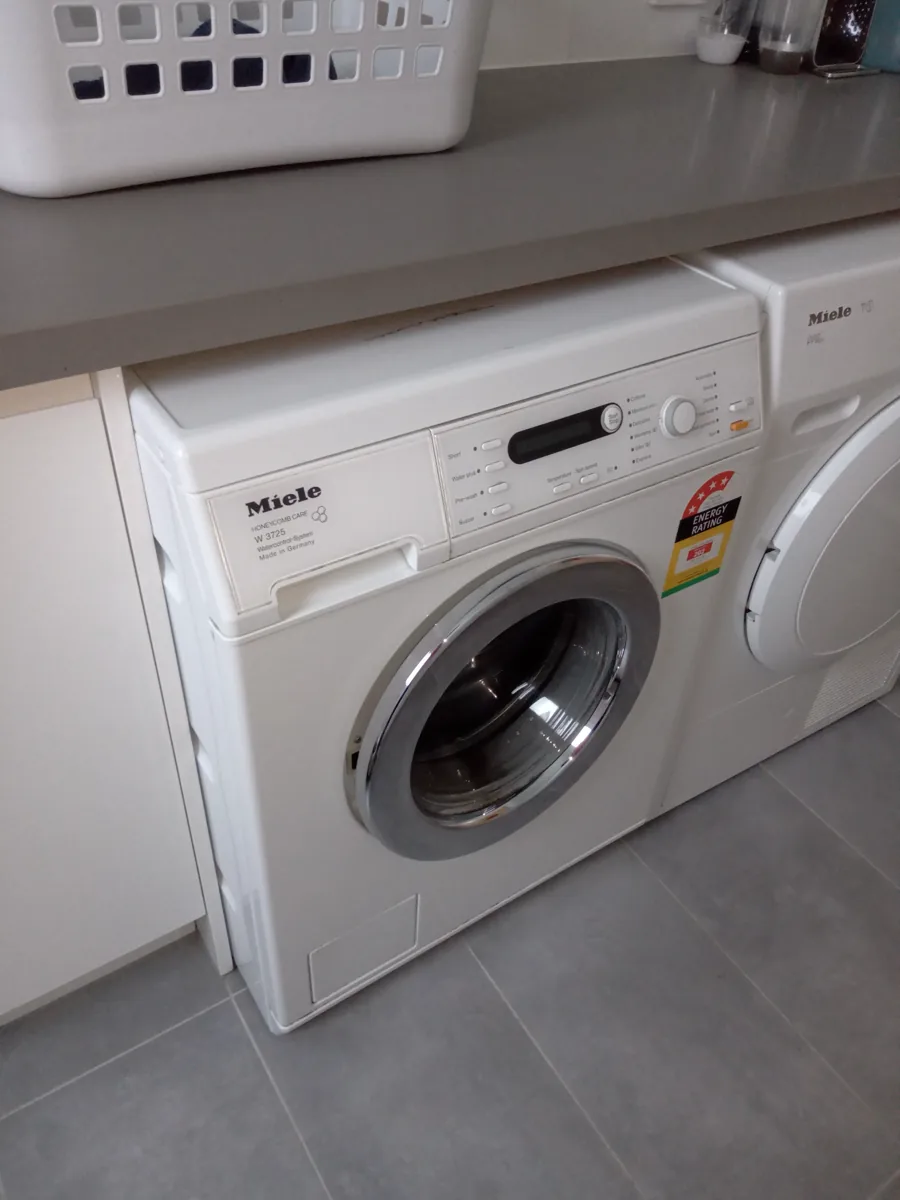
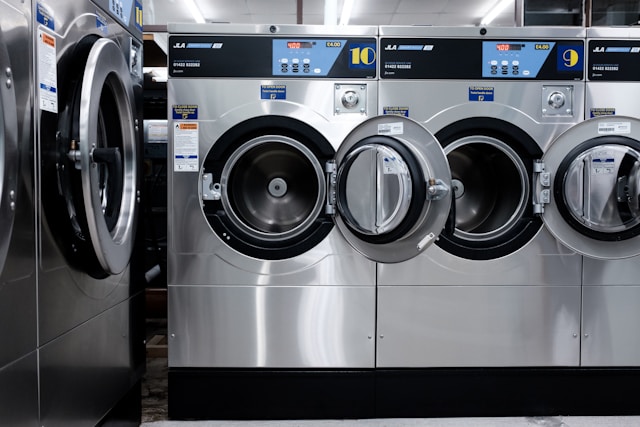

Front-load washing machines are popular across Australia for good reason — they use less water, they’re gentler on clothes, and they generally deliver better cleaning results than top-loaders. But they do have one well-known weakness: they’re more prone to mould, mildew, and lingering odours than their top-loading counterparts.
The design is part of the reason. The horizontal drum and tight rubber door seal create a sealed, damp environment every time you close the door after a wash. In Australia’s humid coastal cities like Sydney, Brisbane, and the Gold Coast, that moisture has nowhere to go — and mould moves in fast. The good news is that a solid front-loader cleaning routine is straightforward, takes under an hour, and requires nothing more exotic than white vinegar and bicarbonate of soda.
If you’re dealing with a machine that has gone beyond cleaning and needs a repair, we at National Appliance Repairs provide expert washing machine repairs across all major Australian cities.
The Front-Loader’s Biggest Enemy: The Door Gasket
The rubber door seal—also called the gasket or boot seal—is where most front-loader problems start. Those folds and ridges are designed to keep water inside during the wash. But they are also perfect hiding spots. Water collects there. So does lint, hair, and detergent residue. Leave the seal damp between washes and mould grows fast.
Health WA says mould in the home can trigger respiratory issues, allergic reactions, and skin irritation. That is especially true for people with asthma or immune sensitivities. Even when the mould is tucked inside an appliance, it is worth taking seriously.
What You’ll Need
- White vinegar (2 cups)
- Bicarbonate of soda (half a cup)
- Warm water
- Microfibre cloths (at least two)
- An old toothbrush
- Rubber gloves (especially if there is visible mould on the gasket)
Step-by-Step: How to Clean a Front-Load Washing Machine
Step 1: Clean the Door Gasket
Do this first. Front-loaders live or die by this seal. Put on rubber gloves. Pull back that black rubber ring around the door and look into the folds. You will find things you probably do not want to see. Damp lint. Hair. Soap scum. Maybe black mould spots.
Mix equal parts white vinegar and warm water. Dip a microfibre cloth in it and wipe the whole gasket. Press into every fold and crevice. Got visible mould? Use an old toothbrush dipped in the vinegar mix. Scrub until the dark spots lift.
Heavy mould? You can use a little bleach—but only on the gasket. One tablespoon in 500ml of water. Wipe it on. Leave it for five minutes. Then rinse thoroughly with a damp cloth before running any cycle.
Dry the gasket with a clean microfibre cloth when you are done.
Step 2: Clean the Detergent Drawer
Pull the drawer all the way out. Most front-loaders have a small release tab you press while pulling. Expect to find hard, crusty detergent, mould, and fabric softener sludge.
Soak the drawer in hot soapy water for ten minutes. Scrub every compartment with that toothbrush. Rinse under running water. Set it aside to dry while you run the drum cycles.
Now wipe inside the drawer cavity—the slot in the machine itself. Mould loves hiding in there. Use a damp cloth.
Step 3: Run a Hot Vinegar Drum Cycle
Pour 2 cups of white vinegar straight into the drum. Not the drawer. The drum. Select the hottest cycle your machine has. Look for “Drum Clean,” “Tub Clean,” or the highest temperature cotton cycle—90°C if you have got it. Run the full cycle.
What is the vinegar doing? Dissolving mineral scale. Breaking down soap scum. Killing mould and bacteria in the drum and internal pipes.
Step 4: Run a Baking Soda Cycle
Vinegar cycle finishes. Now sprinkle half a cup of bicarbonate of soda directly into the drum. Run another hot cycle.
The bicarb does three things. Neutralises any leftover vinegar smell. Absorbs lingering odours. Gives the drum walls a gentle scrub to knock loose any residue.
One rule: never run vinegar and bicarb together in the same cycle. They neutralise each other. Separate cycles only.
Step 5: Wipe Down the Drum
Second cycle finishes. Open the door. Wipe the inside of the drum with a clean, damp microfibre cloth. Pay attention to the back of the drum and the area just inside the door opening.
Put the clean, dry detergent drawer back in.
Leave the door open a crack for at least 30 minutes. Let the drum air dry completely. That last step stops mould from coming back tomorrow.
Cleaning Checklist for Front-Loaders
| Task | How Often |
|---|---|
| Wipe door gasket folds | After every wash (quick wipe) |
| Full gasket clean with vinegar | Monthly |
| Drum clean cycle (vinegar + bicarb) | Monthly |
| Detergent drawer soak and scrub | Every 4—6 weeks |
| Pump filter clean | Every 3 months |
| Exterior wipe-down | As needed |
Preventing Mould Between Cleans
What you do between cleans matters. Maybe more than the cleaning itself.
- Leave the door open after every wash. A 5-centimetre gap is plenty. Airflow stops moisture building up inside the drum and the seal.
- Take your washing out straight away. Leaving wet clothes in the drum for hours? You are asking for mould.
- Do not overdo the detergent. Front-loaders use HE detergent in small doses. Too much creates excess suds. Suds leave sticky residue behind.
- Run a hot cycle every couple of weeks. Cold washes do not kill bacteria. The drum needs to get properly hot at least once a fortnight.
- Wipe the gasket dry after the last wash of the day. Thirty seconds. That is all it takes. And it makes a real difference.
When Cleaning Isn’t Enough
If you’ve followed a thorough cleaning process and your machine still smells, isn’t draining properly, or shows visible mould that won’t budge, the problem may be deeper than the drum surface. Common issues that cleaning alone won’t fix include:
- A worn or damaged door seal that traps water permanently
- A blocked or faulty drain pump
- Mould that has penetrated the drum bearings or internal cavities
- A faulty drum-clean cycle that doesn’t heat properly
These are situations where a qualified technician is the right call. We provide washing machine repairs in Melbourne, Sydney, Brisbane, Adelaide, and Perth, with same-day service available when you call before 12pm AEST.
FAQ
Why does my front-load washing machine smell worse than a top-loader?
Front-loaders seal tightly during the wash. That makes them water-efficient. But the same seal traps moisture inside after the cycle ends. Add detergent residue to that damp environment and you have got perfect conditions for mould. Leave the door open between washes. Run a monthly cleaning cycle. That prevents the smell.
Can I use a commercial drum-cleaning tablet instead of vinegar?
Yes. Commercial tablets are a convenient alternative. Follow the packet instructions. Just remember: tablets do not replace the need to clean the door gasket and detergent drawer by hand. Those still need manual attention.
How do I remove black mould from the front-loader seal?
Light mould? White vinegar on a toothbrush, scrub it, wipe away with a microfibre cloth. Usually does the job. Heavier mould needs something stronger. Use a diluted bleach solution—one tablespoon per 500ml of water. Apply it to the gasket only. Leave for five minutes. Wipe and rinse thoroughly. If the mould keeps coming back fast, or if it has penetrated the rubber, the seal may need replacing.
Is it normal to find water sitting in the door seal folds?
A small amount is normal. But large pools of water between cycles? That is not normal. It usually means the machine is not draining properly from the gasket area, or the door seal is damaged. Dry the seal with a cloth after every wash. That stops mould from taking hold.
How do I clean a front-loader’s pump filter?
Look for a small rectangular panel at the front bottom of the machine. That is where the pump filter lives. Before you open it, put a shallow container underneath. Residual water will spill out. Unscrew the filter anticlockwise. Pull out any debris. Rinse it under water. Screw it back in firmly. Clean it every three months, or sooner if the machine is slow to drain.
Conclusion
Front-load washing machines are excellent appliances, but they reward the owners who look after them. A monthly drum clean, consistent gasket wiping, and the simple habit of leaving the door ajar after each load will keep mould and bad odours at bay for the long term.
If your front-loader has developed a fault that goes beyond what cleaning can solve, National Appliance Repairs is here to help. Our fully qualified technicians service all major brands across Australia — call 1300 434 380 for a free consultation.