
Energy bills are rising across Australia. Most households spend hundreds of dollars annually on powering refrigerators, washing machines, dishwashers, and ovens. Yet many people don’t realize that a broken or poorly maintained appliance can double or triple your energy consumption for that specific device.
A faulty refrigerator compressor works twice as hard to maintain temperature. A washing machine with a failing motor runs longer cycles. A dishwasher with clogged spray arms repeats cycles. A stove heating element that doesn’t work properly uses excess energy to compensate. These problems don’t just make appliances inefficient — they also cost real money. So here’s what our technicians at National Appliance Repairs wants you to know about the impact of a repair work with your energy footprint.
How Appliances Waste Energy When They’re Failing
A well-maintained appliance uses a predictable amount of electricity. When something starts to fail, energy consumption creeps upward. You might not notice the change month-to-month, but it appears on your bill.
| Appliance | What Fails | How It Wastes Energy | Impact |
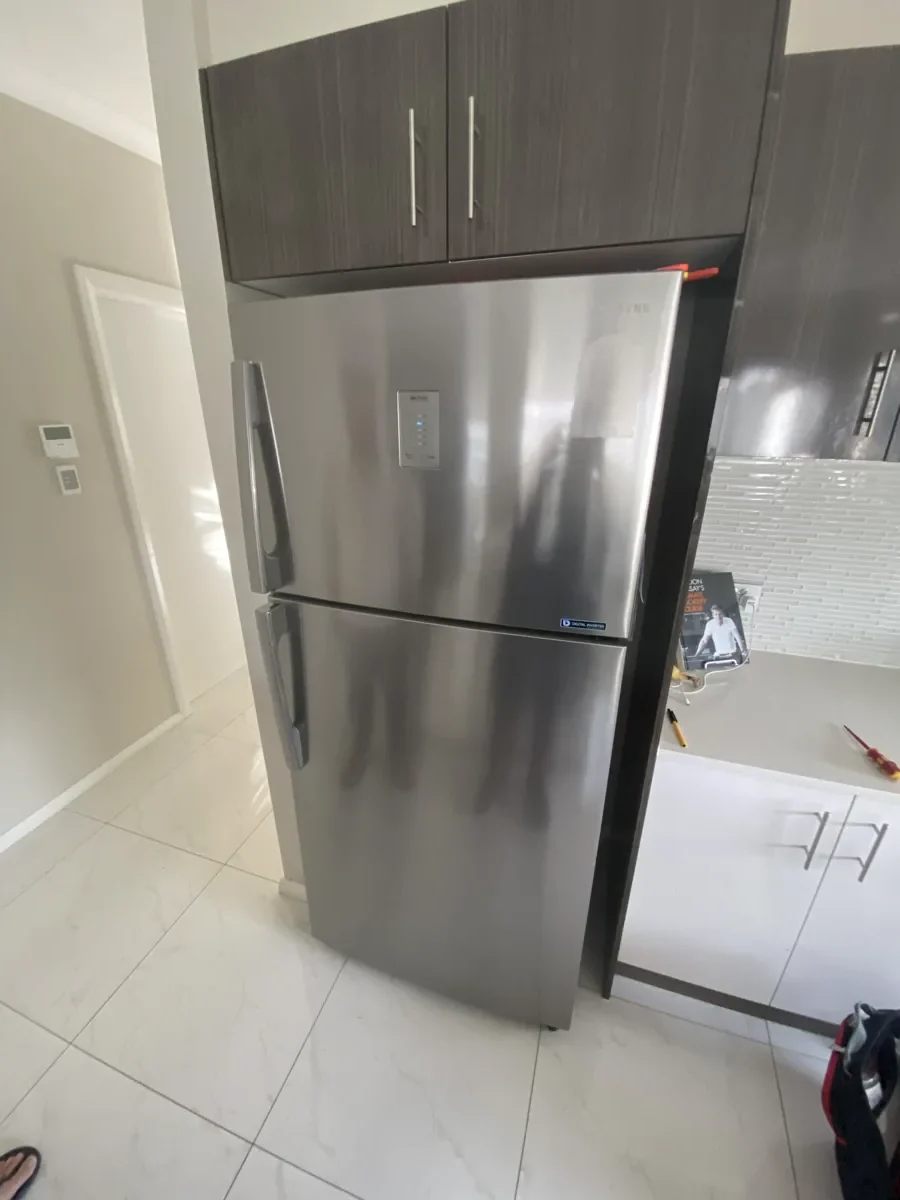
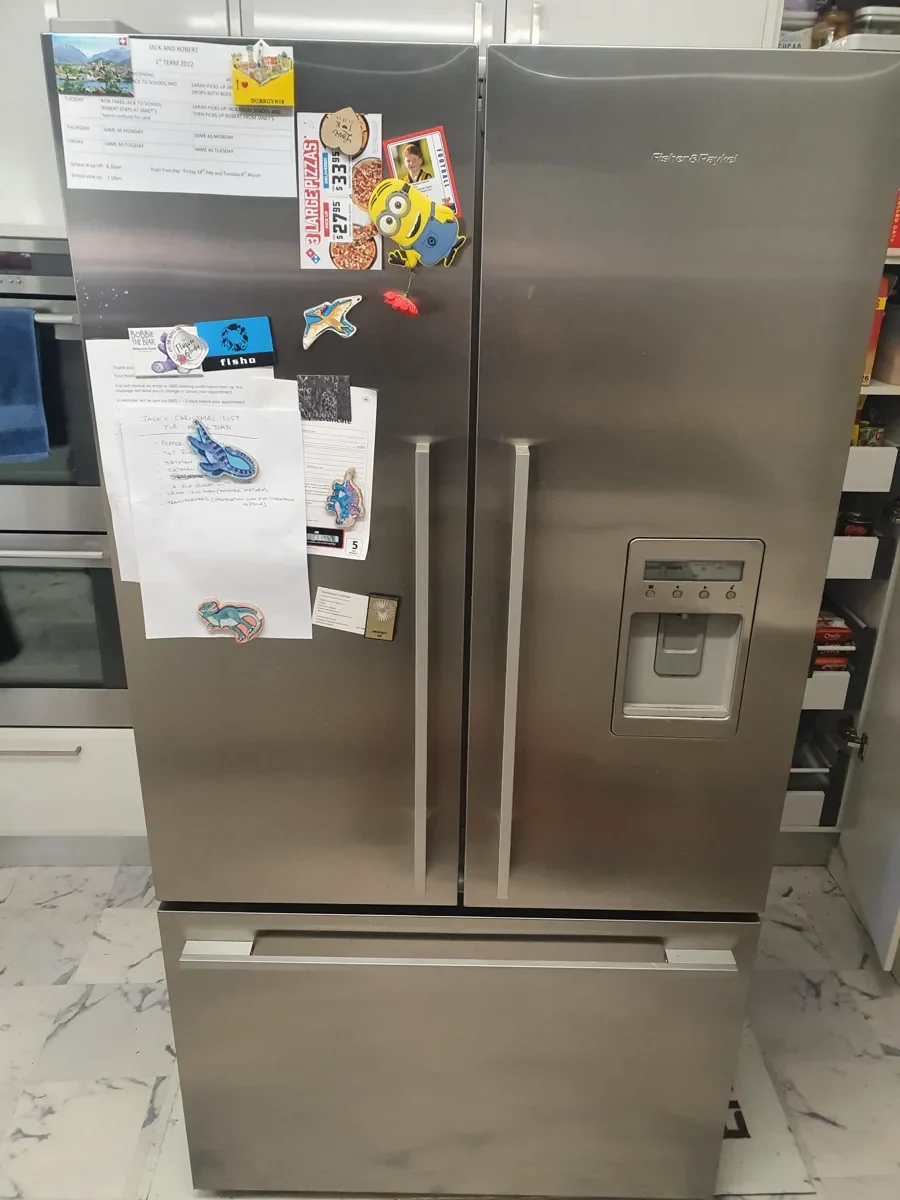
| Refrigerators & freezers | Failing compressor or worn door seal | Compressor cycles more frequently to maintain temperature. Cold air escapes through worn seals. Every cycle draws significant power. | 40-50% more energy than normal. On 24/7 operation, this costs hundreds of dollars annually. |
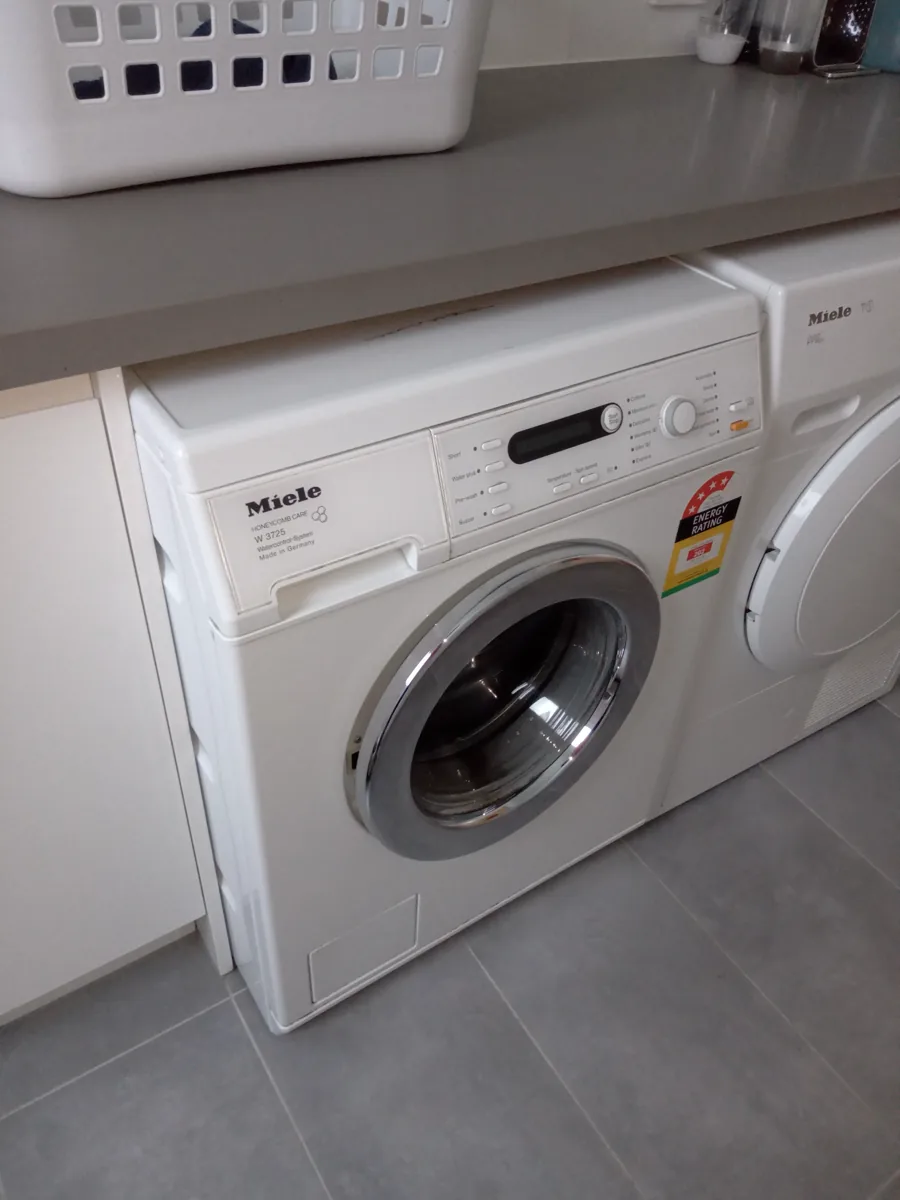
| Washing machines | Worn motor or failing pump | Machine works harder and takes longer to complete cycles. A 45-minute cycle becomes 60 minutes. | Extra 15 minutes per load, multiplied by several loads weekly, adds significant energy consumption over time. |
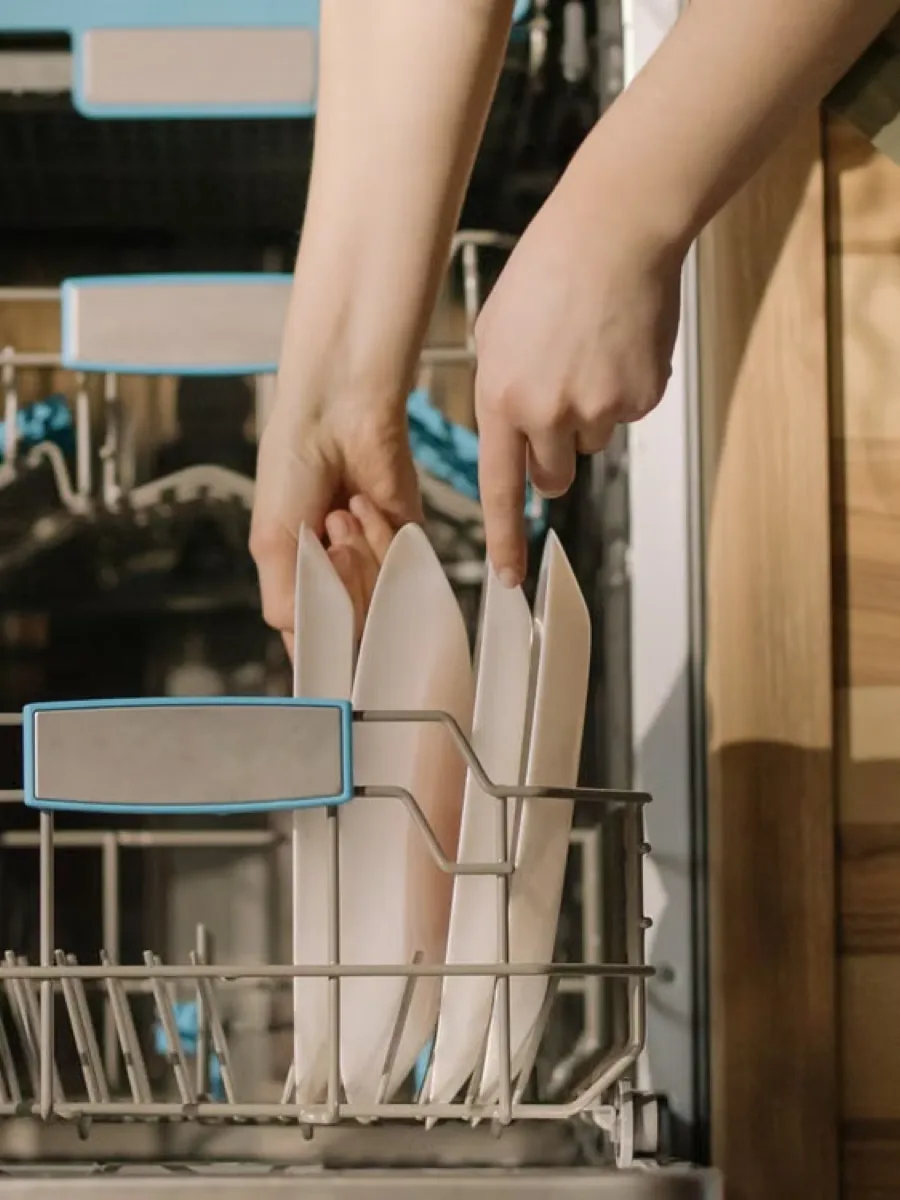
| Dishwashers | Clogged spray arms or failing heating element | Machine repeats cycles to achieve same cleaning or runs longer to heat water. Both extend running time. | Increased run time and energy consumption per cycle, multiplied by several uses weekly. |
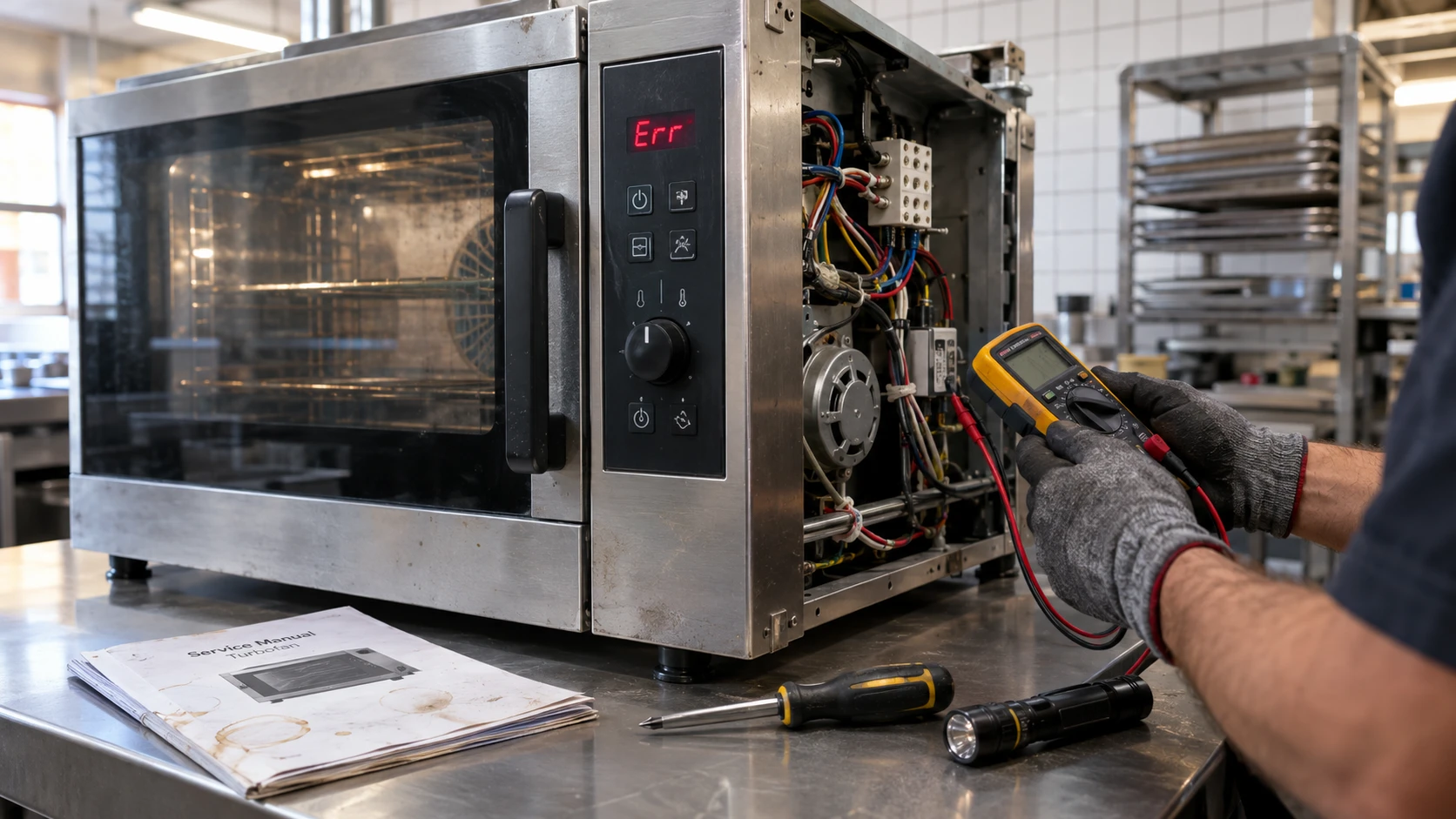
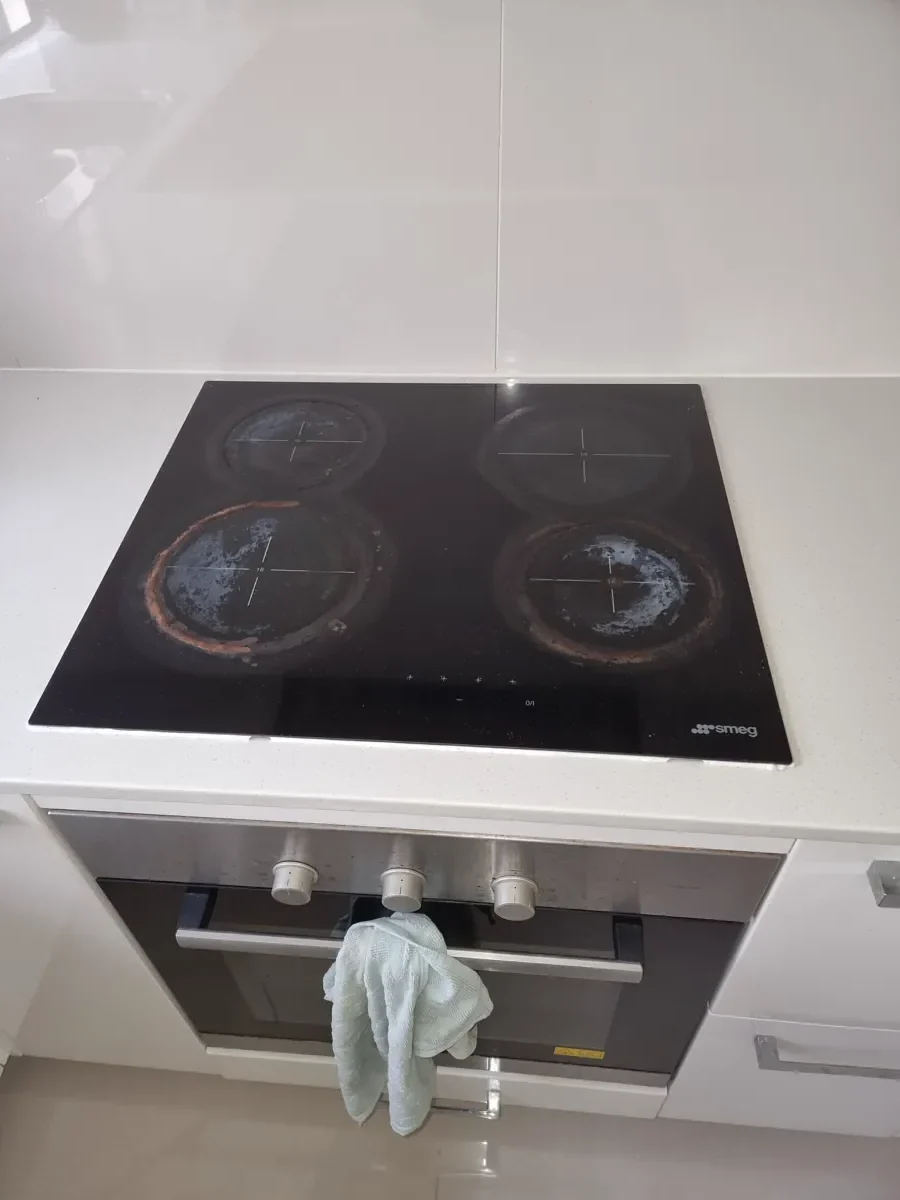
| Ovens & cooktops | Failing heating element or faulty thermostat | Element heats unevenly or slowly, requiring longer preheat time. Faulty thermostat causes element to cycle on/off more frequently. | You leave the appliance on longer to reach cooking temperature. Inefficient cycling wastes energy. |
| Air conditioning units | Refrigerant leak | Unit works significantly harder to cool your space. Running time increases substantially. | Energy consumption jumps 20-30% before the problem becomes obvious. |
The pattern is consistent: when appliances start to fail, they compensate by working harder and longer, which increases energy use.
The Cost Comparison: Repair vs. Wasted Energy
Let’s look at real numbers. Australia’s average electricity rate is approximately 25-30 cents per kWh (varying by state and provider, per Canstar).
A refrigerator normally uses about 1-2 kWh daily. If a failing compressor doubles that consumption, you’re now using 2-4 kWh daily. Over a month, that’s 30-60 extra kWh. At 27 cents per kWh, you’re paying an extra $8-16 monthly, or $96-192 annually.
A failing washing machine motor might add 10-15 minutes per load. If you run 6 loads weekly, that’s roughly 1 extra hour of running time weekly. Over a year, that’s 52 hours of extra operation. A typical washing machine uses 2-3 kWh per load. Even accounting for partial loads, the added energy costs $50-100 annually.
Now compare those numbers to repair costs. A refrigerator compressor replacement costs $400-600. A washing machine motor replacement costs $300-500. Yes, repairs are expensive upfront. But they stop the energy bleeding immediately.
If your appliance is losing efficiency, you’re paying for the “repair” through higher electricity bills every month. You’re just spreading the cost across 12 months instead of paying for it once upfront.
When Repair Saves the Most Money
Repair is most cost-effective when:
- The appliance is less than 8-10 years old. Older appliances have declining efficiency even when working properly. Newer appliances are generally more efficient. If you’re repairing a 5-year-old fridge versus replacing it with a new energy-efficient model, the repair definitely saves money overall.
- The broken component is a single part, not multiple systems failing. A worn compressor in a fridge is one part. A failed motor in a washer is one part. These are repairable and restore efficiency. If the appliance has multiple failing systems, replacement might be smarter.
- The repair restores near-original efficiency. A new compressor in a 6-year-old fridge restores cooling efficiency to nearly what it was new. That fridge will perform efficiently for several more years. This justifies the repair cost.
- You’re repairing soon after you notice the problem. The longer you ignore an efficiency problem, the more energy you waste. A refrigerator that’s slowly losing cooling capacity is running inefficiently for weeks or months before you realize it’s a problem. Addressing it quickly stops the waste.
How Maintenance Prevents Efficiency Loss
Regular maintenance prevents many efficiency problems before they start.
- Cleaning refrigerator coils monthly prevents dust buildup that forces the compressor to work harder. Checking the door seal quarterly catches wear early. These simple tasks maintain efficiency and extend the appliance’s lifespan.
- Cleaning washing machine filters monthly prevents the motor from having to work harder. Descaling dishwashers with vinegar prevents mineral buildup that makes the heating element work longer.
- Checking oven thermostats annually ensures they’re accurate. A faulty thermostat causes the heating element to cycle on and off inefficiently.
These tasks take minutes but prevent significant efficiency loss. They also prevent the need for expensive repairs.
New Appliances vs. Repairing Old Ones
Modern appliances are more energy-efficient than older models. A new refrigerator might use 30-40% less energy than a 10-year-old model, even if both are working properly.
But here’s the nuance: a 5-year-old appliance that’s been repaired and maintained is often more cost-effective than replacing it with a new one. The carbon footprint of manufacturing a new appliance is significant. The economic impact is substantial.
Where replacement makes sense is when:
- An older appliance (8-10+ years) has a major failure. Repair costs approach 50% of replacement cost. Energy efficiency gains from a new appliance offset the upfront cost within a few years.
- An appliance has had multiple repairs in the past 18 months. You’re spending money on recurring fixes. A new, efficient appliance might cost less over its lifetime.
- You’re willing to make the upfront investment for long-term savings. A new energy-efficient appliance costs more initially but uses less electricity for 10-15 years.
Monitoring Your Energy Use
Pay attention to your electricity bills. If your usage suddenly increases without an obvious reason (like adding a new appliance or increase in household size), it might indicate an appliance is losing efficiency.
Some energy providers offer detailed consumption data showing which appliances use the most power. Use that information to identify problems early.
If a specific appliance’s energy use increases noticeably month-to-month, get it serviced. Early repair prevents months of wasted energy.
The Bottom Line
Keeping your appliances maintained and repairing them promptly when they start to fail is one of the easiest ways to reduce your electricity costs. A $400 repair that stops an appliance from wasting energy saves you $100-200 annually in reduced electricity bills.
National Appliance Repairs helps you maintain efficient appliances. Regular servicing catches problems early. Prompt repairs restore efficiency. Preventative maintenance extends the lifespan of your equipment. All of these reduce your overall energy costs while keeping your appliances running reliably.
In an environment of rising energy costs, an efficient, well-maintained appliance is an investment in lower bills for years to come.
Frequently Asked Questions
How can I tell if my appliance is wasting energy?
Watch your electricity bills. If they increase without obvious reason, check your appliances. A refrigerator running constantly or a washing machine taking longer than normal are signs. If an appliance feels hot or sounds different than normal, those are also indicators of inefficiency. Get it serviced to diagnose the problem.
Is it better to repair an old appliance or buy new for energy savings?
It depends on the appliance’s age and the repair cost. If your appliance is under 7-8 years old and the repair is less than 30% of replacement cost, repair is usually smarter. If it’s 10+ years old or has had multiple repairs, a new energy-efficient model might save money over time through lower electricity use.
How much can I save by repairing instead of replacing?
A typical repair costs $200-500. It stops energy waste of $100-300 annually (depending on the appliance). Over 3-5 years, you recover the repair cost through electricity savings alone, not counting the cost of a replacement appliance.
Will maintenance really prevent big problems?
Regular maintenance prevents about 80% of appliance failures. A monthly filter cleaning, seasonal coil cleaning, or quarterly hose inspection catches problems early. Early repairs are cheaper than emergency fixes. Prevention also maintains efficiency, which reduces your electricity bills.
What’s the best way to maintain an appliance for energy efficiency?
Follow your appliance’s manual recommendations for maintenance. Common maintenance includes cleaning filters, checking seals, ensuring vents aren’t blocked, and descaling (for water-using appliances). Most require just 15-30 minutes monthly.