You open your dishwasher expecting clean dishes. Instead, you find standing water at the bottom. Or dishes come out with food residue still stuck on them. Or water leaks across your kitchen floor.
These problems are frustrating because you don’t discover them until after the cycle runs. The good news is most dishwasher issues can be diagnosed and fixed without calling a technician.
Quick Troubleshooting Guide
| Problem | Most Likely Cause | What to Try First | When to Call a Pro |
| Standing water at bottom | Clogged filter or blocked drain | Clean the pump filter. Check for blockages. | If water remains after cleaning filter, drain pump has failed. |
| Dishes come out dirty | Clogged spray arms or dirty interior | Clean spray arm holes. Run empty hot cycle with vinegar. | If problem persists, internal circulation issue. |
| Water leaking from door | Worn door gasket or latch failure | Inspect gasket for cracks. Check door closes fully. | If gasket is visibly damaged, it needs replacement. |
| Strange smells or mold | Food debris and hard water deposits | Clean filter and spray arms. Run vinegar cycle. | If odor returns, internal bacteria issue. |
| Machine stops mid-cycle | Door opened mid-cycle or electronic glitch | Close door firmly and restart cycle. | If problem repeats, call for diagnosis. |
Standing Water at the Bottom
The cycle finishes and water pools at the base of the tub.
The drain pump filter is usually the problem. This filter traps food particles and debris. Over time, seeds, paper bits, and food chunks accumulate and clog it. Find the filter at the bottom of the tub. Remove the bottom rack. The filter is usually a cage with a cylindrical core, or it sits in a back corner. Twist it counterclockwise to unlock and pull it out. Rinse thoroughly under hot running water. Use a soft brush to scrub away stubborn debris. If the filter is visibly damaged or deformed, replacement is needed.
If the filter was clean, check for blockages elsewhere in the drain line. Look at your garbage disposal if you have one. If your dishwasher drains through the sink disposal, a full or clogged disposal backs water up into the machine. Run the disposal with water to clear it.
Trace your drain hose from the back of the dishwasher. Is it kinked or pinched? Straighten any bends. If you can safely disconnect it, flush it with hot water to check for blockages.
If water still pools after these steps, the drain pump has likely failed. Call for professional service.
Dishes Come Out Dirty or Food-Residue Covered
You unload dishes with food still stuck on them after a full cycle.
The spray arms are probably clogged. These rotate and spray water during the wash. If the small holes in these arms are blocked, water doesn’t reach the dishes properly. Hard water minerals accumulate in spray arm holes, especially in areas with harder water.
Remove the spray arms. Some models have a small screw holding them. Others have a catch or clip. Check your manual for specifics. Once removed, soak them in white vinegar for 15-30 minutes. Vinegar dissolves mineral buildup. Use a small toothpick or thin wire to gently clear remaining debris from the spray holes. Reinstall and run a test cycle without dishes.
Also run an empty hot cycle with a cup of white vinegar in the bottom. The vinegar cleans the interior and dissolves mineral deposits that coat the inside.
Check your detergent. Are you using the correct type for your machine? High-efficiency dishwashers need HE detergent. Regular detergent creates too many suds. Are you using the right amount? Most people use double what’s needed. Try half the recommended amount.
Don’t overload. Dishes packed too tightly block the spray arms from rotating freely. Leave space between items so water reaches surfaces.
Water Leaking From the Door or Underneath
You notice water dripping from under the door or leaking underneath the unit during a cycle.
The door gasket (rubber seal around the door) is the most common cause. It’s cracked, hardened, or has lost its seal. Run your finger around the gasket. It should be soft and flexible. If it’s hard, cracked, or visibly damaged, it needs replacement.
A new gasket costs $50-150 and is usually a DIY job on most models. The old one pops or unclips from the door groove. You insert the new one. Check your model’s manual for specifics.
The door might not be closing fully. Hinges wear out. A catch might break. Close the door and listen for a distinct click. It should latch securely. If it doesn’t, the latch mechanism needs attention.
Clean the gasket first. Sometimes food residue prevents a proper seal. If cleaning doesn’t help, replacement is your next step.
If the leak is coming from underneath, stop using the machine and call a professional. This might indicate internal pump or plumbing issues.
Foul Smells or Mold Growing Inside
You open the door and smell something sour or rotten. Or you notice black mold or buildup inside.
Food debris sits in the filter and at the bottom, decomposing and creating smell. Clean the filter first (same process as the drainage section above).
Run an empty hot cycle with a cup of baking soda on the bottom. Follow with a second empty cycle with a cup of white vinegar. The combination neutralizes odors and kills mold spores.
Clean the spray arms (same process as the dirty dishes section above). Remove the bottom rack and inspect the bottom of the tub. Use a sponge and vinegar to clean away visible debris or buildup.
Leave the door open between uses so moisture can evaporate. Mold thrives in damp, closed spaces.
Machine Stops Mid-Cycle
You start a normal wash cycle. The machine runs briefly, then goes silent. Water drains. The machine stops.
Try closing the door firmly and pressing start to resume. Some models pause if you open the door mid-cycle and will resume if you close it properly.
If that doesn’t work, reset the machine. Most dishwashers have a reset function. Check your manual for specifics. Often it’s holding the start button for 3-5 seconds, or pressing a specific button combination. If that doesn’t help, unplug the machine for 30 seconds, plug it back in, and try a short cycle.
If it stops again at the same point, there’s likely a sensor issue or a faulty control board. Call for professional diagnosis.
Maintenance to Avoid These Problems
Once monthly, remove the filter, clean it, and inspect for debris. This is the most valuable maintenance you can do. It takes five minutes and prevents most dishwasher problems.
Once monthly, remove the spray arms, clean them, and make sure all holes are clear. Hard water buildup happens constantly.
Every 3-6 months, run an empty hot cycle with white vinegar to deep clean the interior.
Before running each load, scrape dishes (don’t pre-rinse, but remove large chunks).
Use the correct detergent type and amount for your machine.
Run hot water at your kitchen sink before starting the dishwasher. This ensures hot water enters immediately instead of cold, improving cleaning performance.
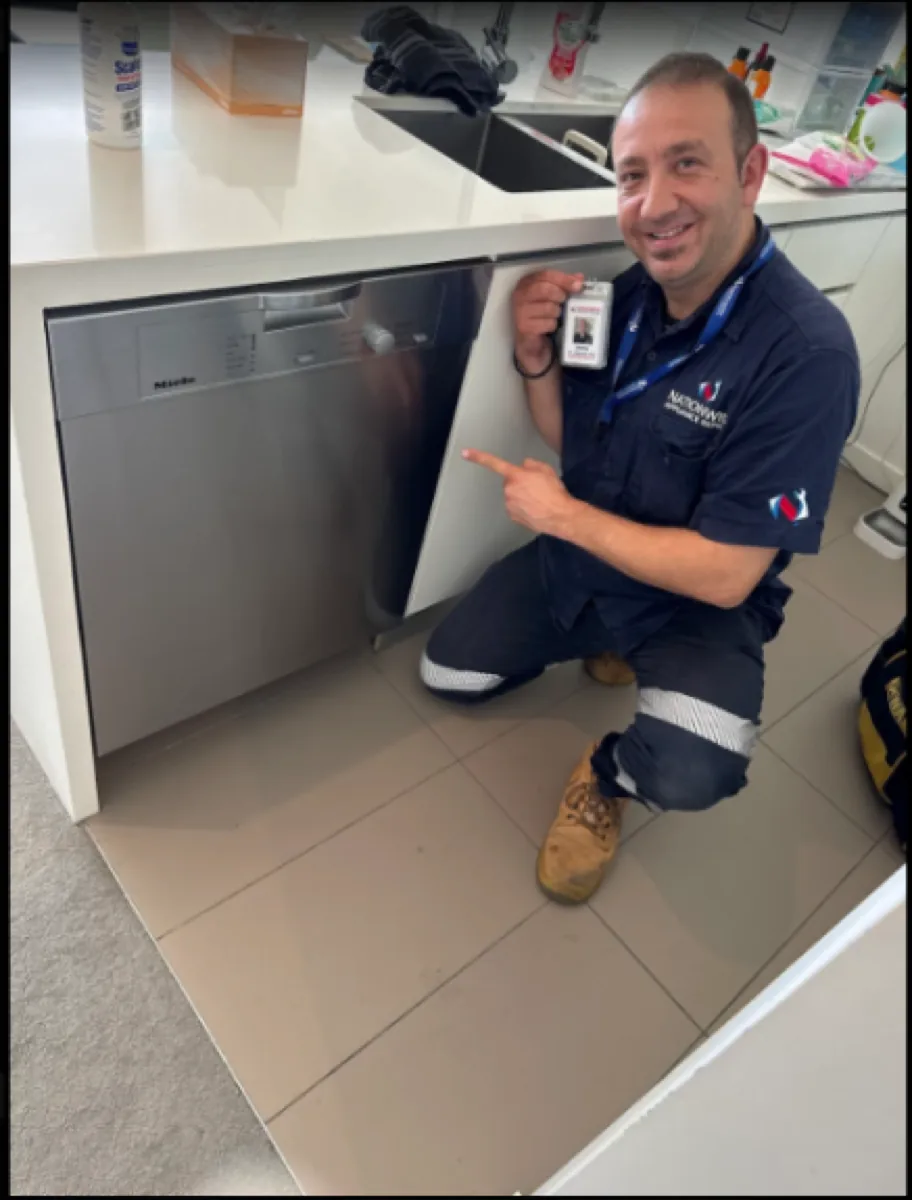
Dishwasher’s Broken Down? Call National Appliance Repairs!
National Appliance Repairs provides professional appliance repair service to domestic and commercial clients all across the country.
Give us a call and, in a couple of hours, our team can be there to help you get your household or business back up and running. Emergency, same-day repairs (depending on availability) are available, we carry a large spare parts stock for all common dishwasher brands, and, before any work is done, we’ll provide clear, hidden charge-free quotation. You can count on us for all your repair needs.
Frequently Asked Questions
Is a clogged drain pump expensive to fix?
Drain pump replacement typically costs $200-350 depending on your model. This is why filter cleaning is so important — it prevents clogs and saves you hundreds. A $5 filter cleaning prevents a $300 repair.
My dishwasher is 11 years old and the door seal just cracked. Should I repair or replace?
Door seal replacement costs $50-150. Even at 11 years old, if the machine is otherwise working, fixing the seal makes sense. You’ll probably get another 2-3 years of service. A new dishwasher costs $800+. But if it’s had multiple repairs in the past two years, replacement starts looking better financially.
How often should I run a vinegar cleaning cycle?
Once monthly is ideal in areas with moderate hard water. In areas with very hard water, twice monthly is better. It prevents mineral buildup that clogs spray arms and causes drainage issues.
Can I replace the door gasket myself?
On most models, yes. The gasket usually pops or unclips from the door groove. You might need a flat screwdriver to help pry the old one out. Installation is the reverse process. Check your model’s manual for specifics. If you’re not comfortable doing it yourself, a technician can typically complete the job in 15 minutes.
My dishes have a cloudy film on them. What causes this?
Hard water minerals create cloudy residue on dishes and glassware. Solutions include using rinse aid (check your manual for the recommended type and amount), using a water softening tablet in the dispenser, or running a vinegar cleaning cycle before loading. Rinse aid is usually the easiest fix.
Call Us:
or leave a message using the form below