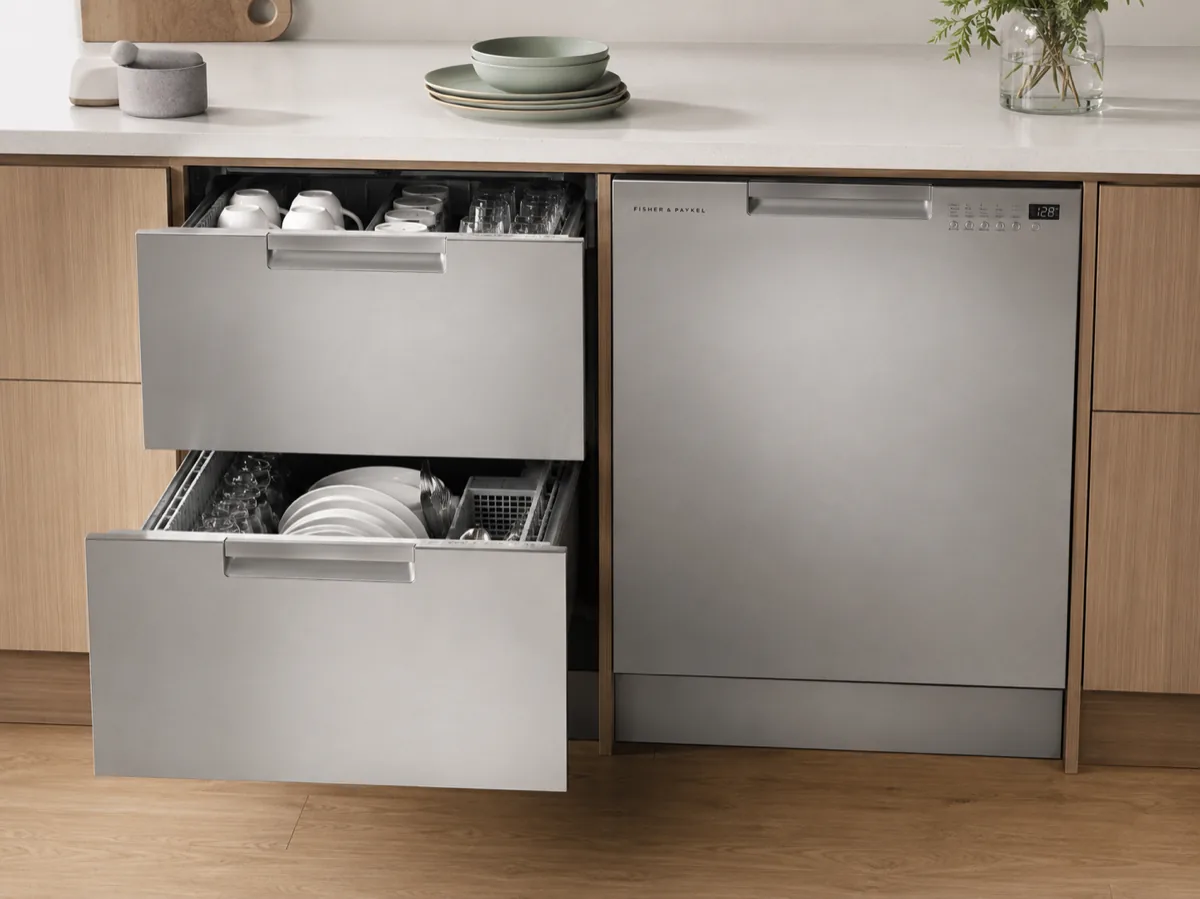
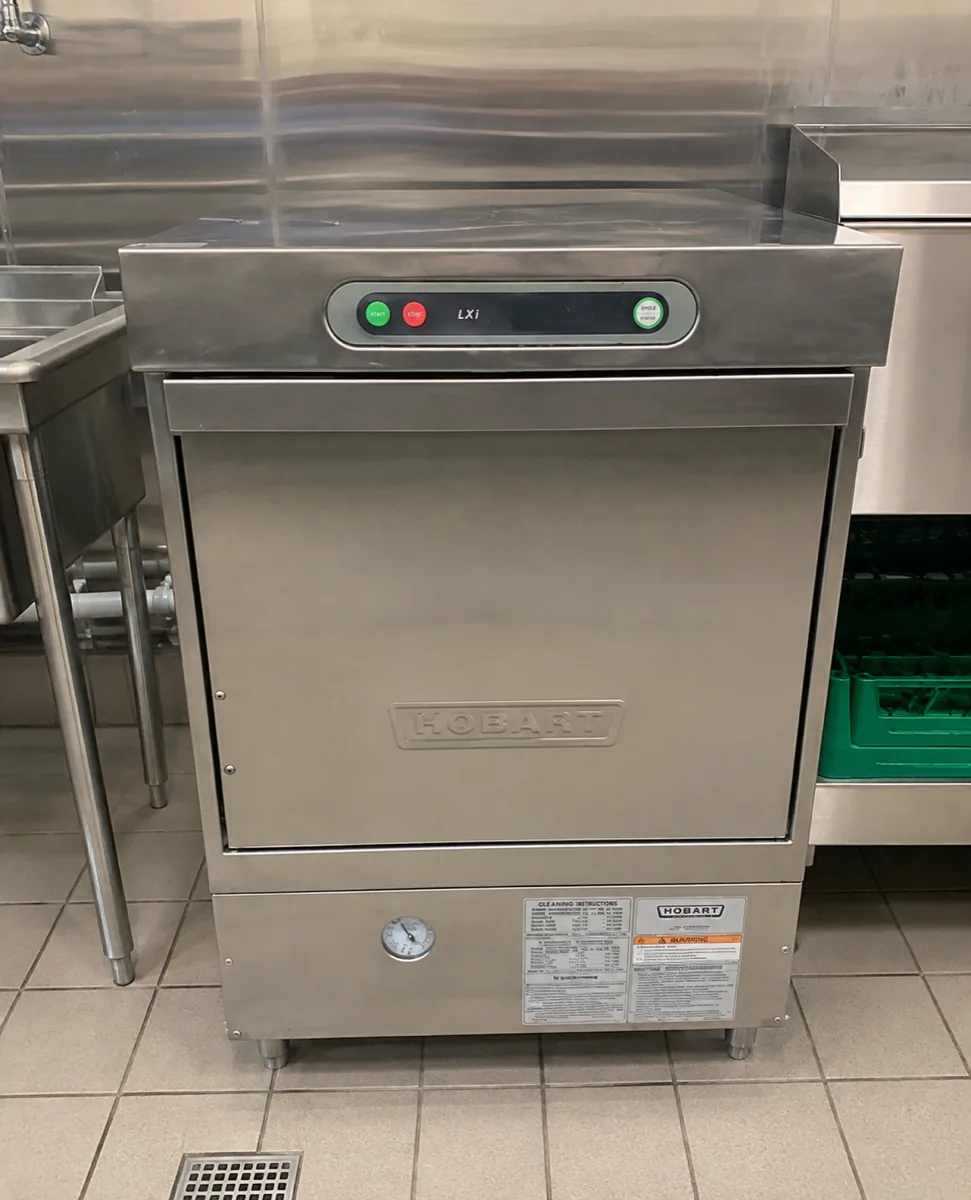
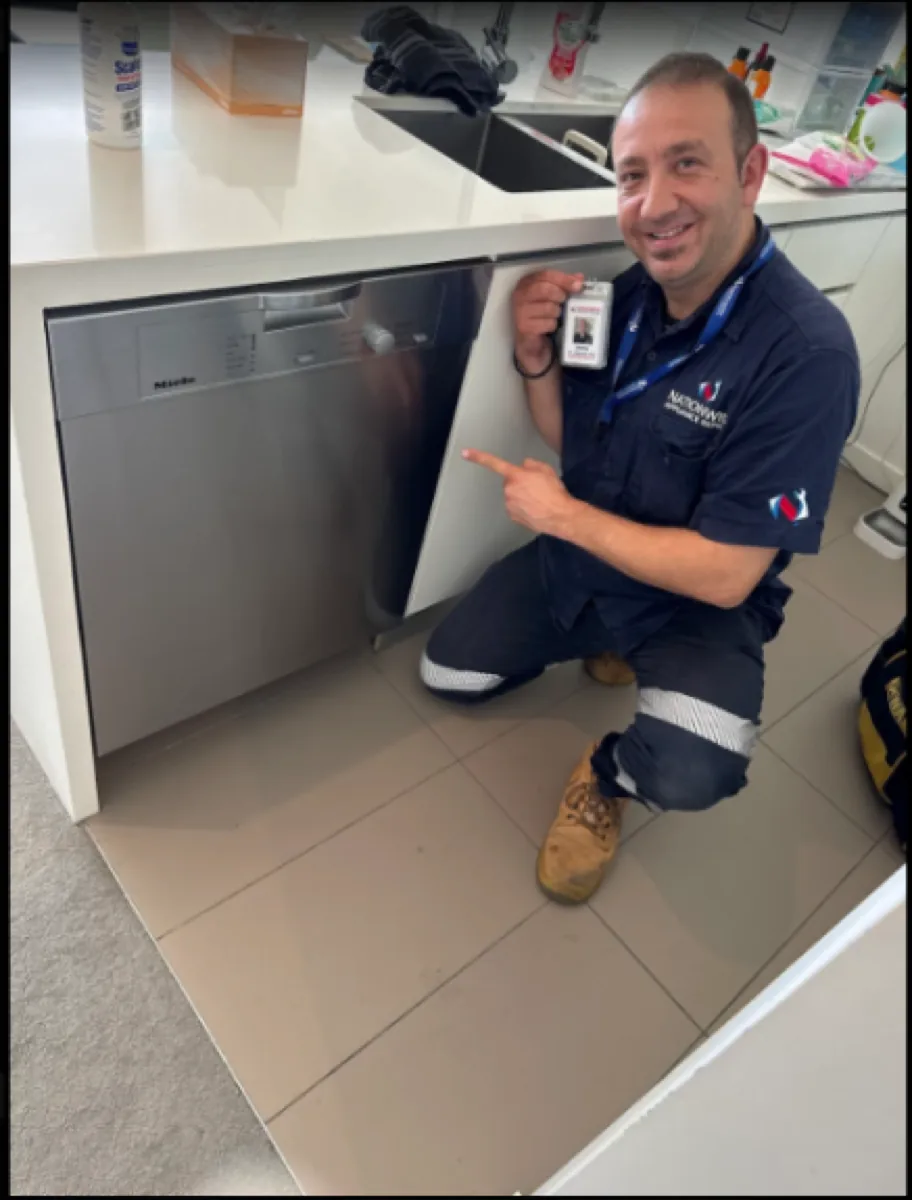
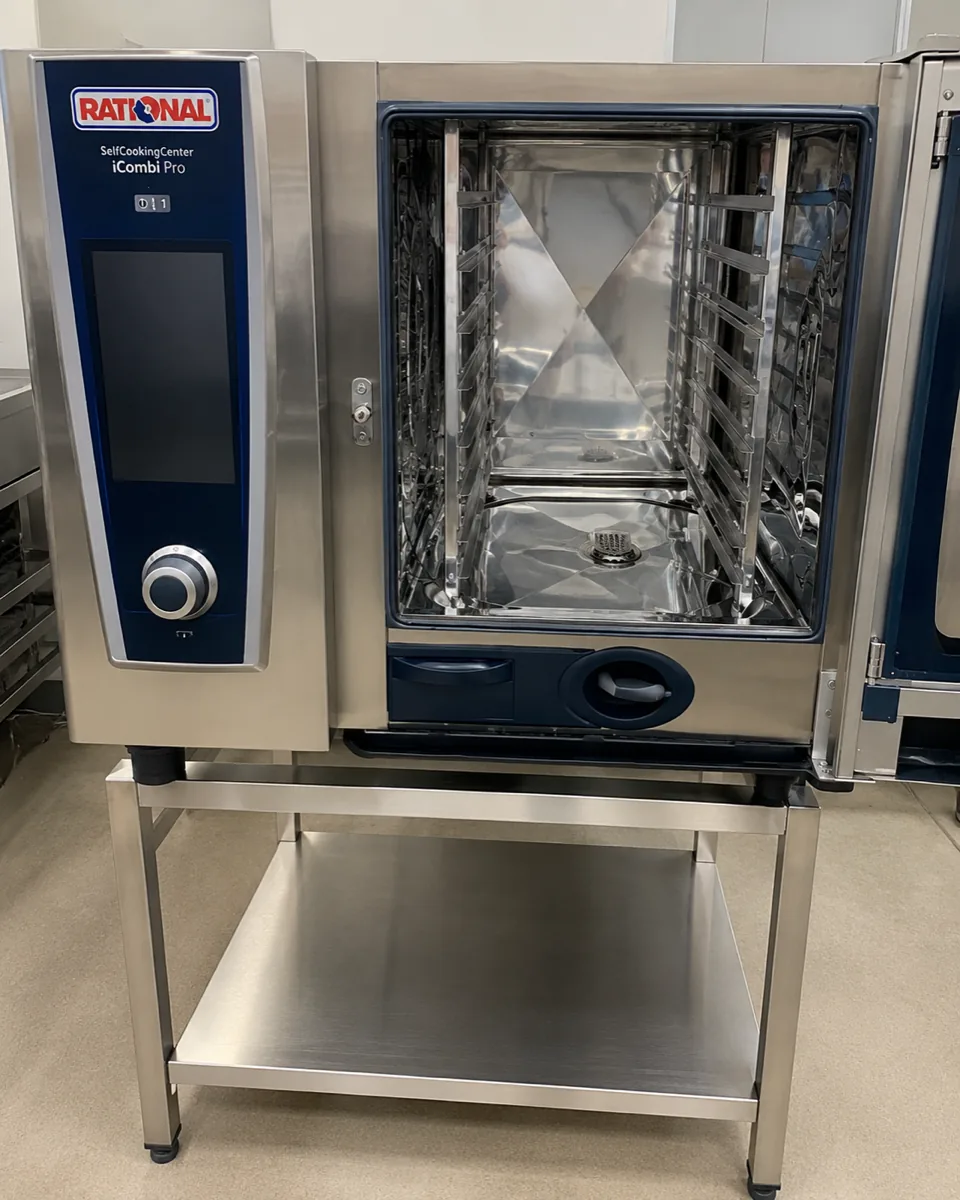
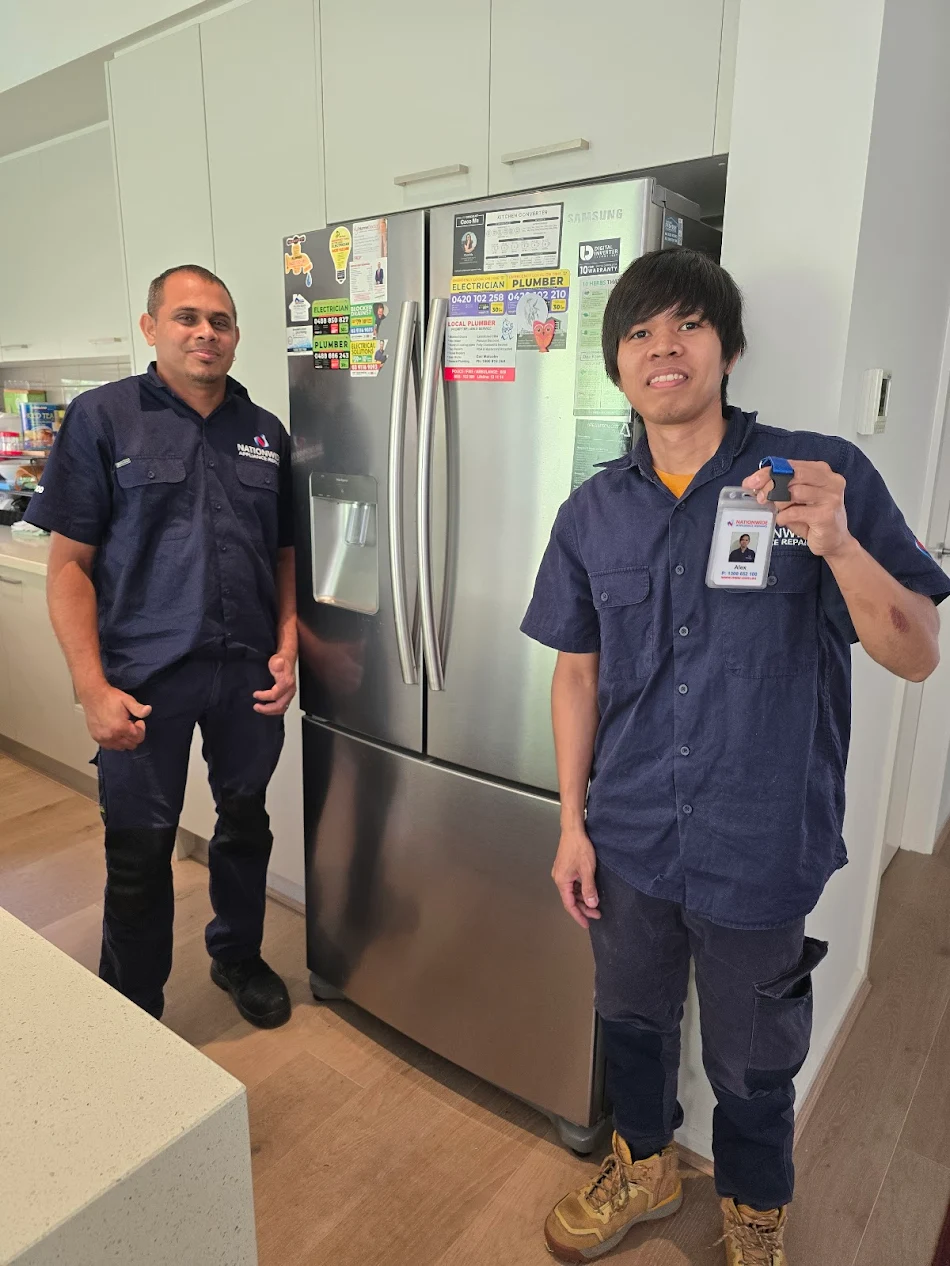
We’ve received service calls from clients from all walks of life – cafe owners in Melbourne’s laneway culture, managers of aged care facilities in Adelaide, homeowners in Sydney looking for a specific replacement part for their oven. We send out our teams for every case, but the repair process differs significantly depending on who the client is and what class of appliance they need serviced.
Even appliances that look similar – a domestic oven and a commercial one – are built differently, used differently, and break down differently. Here’s how we approach domestic versus commercial appliance repairs.
How Commercial and Domestic Appliances Are Built Differently
A domestic fridge is designed to run 8–12 hours daily in an average home. A commercial fridge in a restaurant runs 16+ hours a day under continuous heavy use. This affects every component:
- The compressor, seals, shelving, and door hinges all need to be heavier-duty – industrial-grade stainless steel rather than painted finishes
- Internal mechanisms are simplified for easier maintenance in a busy kitchen, where time matters more than features
- Domestic appliances prioritise features and aesthetics – timers, sensors, touch controls
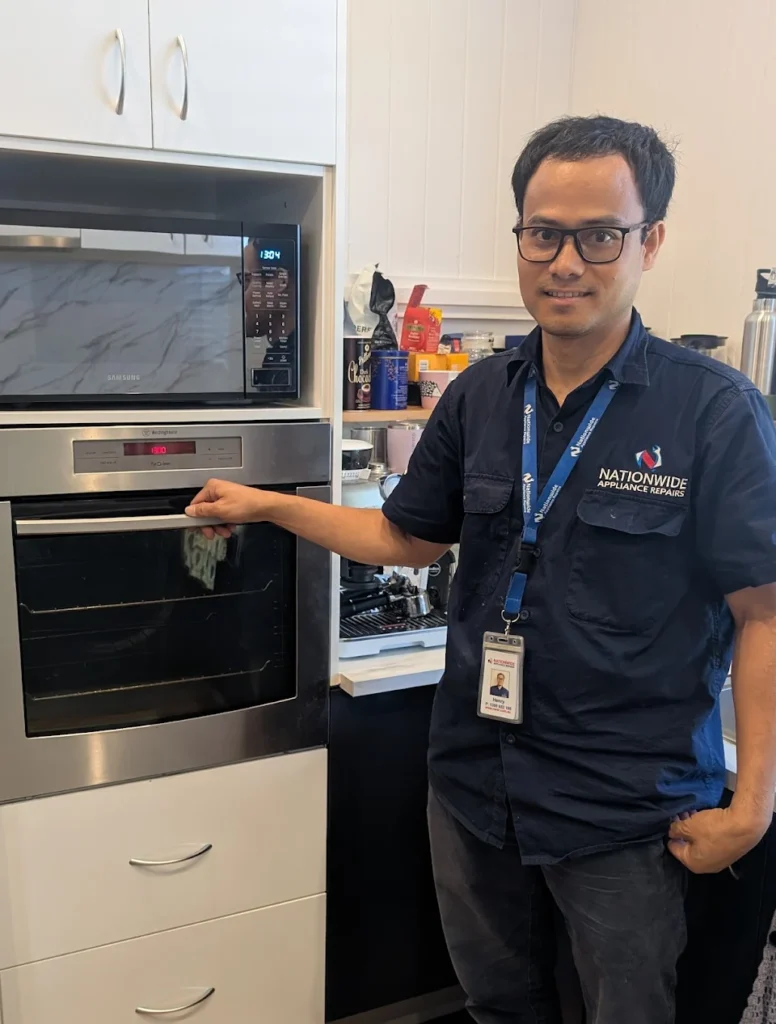
Consider an oven. A home oven typically has electronics, timers, and sensors. A commercial oven is often mechanical or has stripped-down electronics – because when a restaurant kitchen goes down during dinner service, complex repairs aren’t an option. A commercial oven built simply is easier to diagnose and fix quickly.
Commercial appliances also carry different certifications. A commercial dishwasher in a Perth hotel must meet Australian food safety standards for commercial kitchens – different testing, different approved replacement parts, different compliance requirements. This affects both how the appliance operates and how it must be repaired.
The Repair Process Is Completely Different
Diagnosis and Parts Availability
When a home oven fails, a technician visits, diagnoses the problem, and either has the part in their van or sources it within a few days. Some inconvenience, but nothing serious.
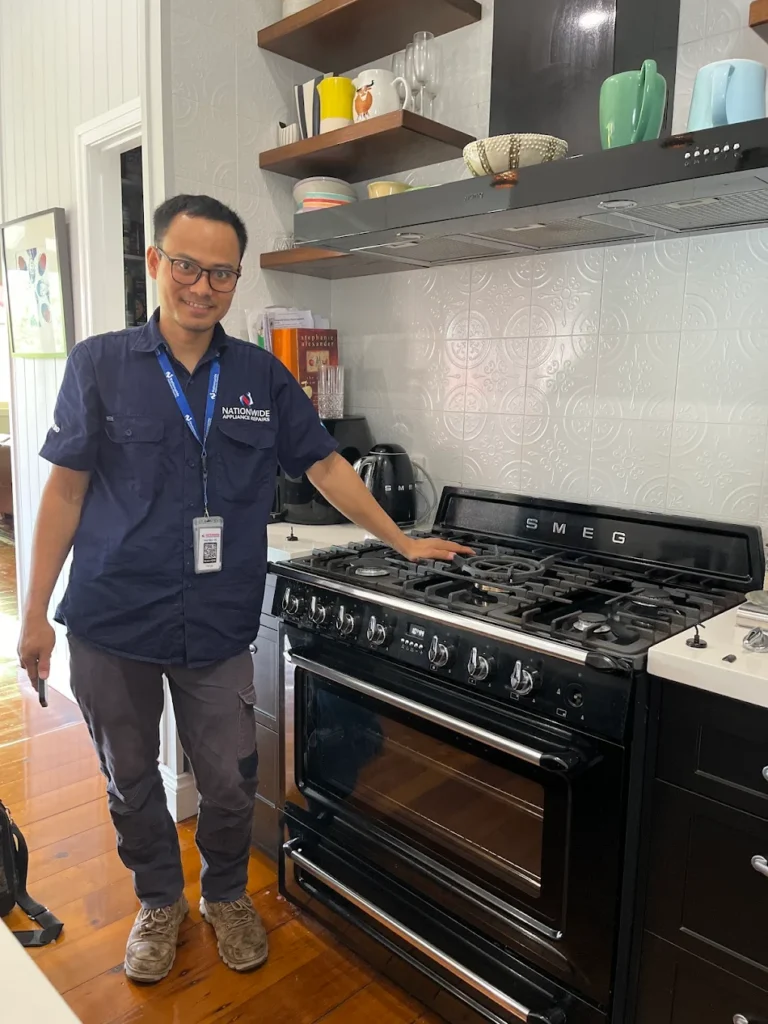
A commercial oven breaking down during lunch service is a crisis. Every minute costs money. The technician must work against a tight timeline, often needing to get it back online the same day. Commercial repair services stock parts more aggressively – precisely because downtime isn’t an option.
Cost Structure and Billing
| Domestic Repairs | Commercial Repairs | |
| Service call structure | Standard fee + labour + parts | Longer diagnostic time + premium parts + potential emergency pricing |
| Parts cost | Standard; widely available | Higher – built to greater spec, ordered in smaller quantities |
| Emergency pricing | Rarely applies | Applies if machine fails at peak hours |
| Maintenance contracts | Not typically available | Common – priority scheduling and discounted rates |
This is exactly why commercial operations budget for preventative maintenance – it’s significantly cheaper than emergency callouts during peak service hours.
Labour and Certification Differences
Technician Qualifications
A domestic appliance technician typically needs solid appliance knowledge and basic electrical competency. Commercial kitchen equipment requires additional qualifications:
- Commercial gas safety certification – required for gas-fired equipment in Australia (fryers, ovens, grills)
- Different electrical standards – commercial voltage and wiring requirements differ from residential
- Food handling compliance – understanding of what “properly repaired” means within a food safety context
- Documentation competency – detailed service records for health inspection compliance
A commercial dishwasher must also meet health department standards. A technician servicing that equipment must be able to certify the work.
Documentation and Records
| Domestic Repair | Commercial Repair | |
| Paperwork produced | Invoice and receipt | Detailed service records, compliance documentation, food safety warranty |
| Record-keeping purpose | Personal reference | Health inspection logs, regulatory compliance |
| Technician responsibility | Fix the fault | Fix the fault AND certify it meets applicable standards |
The Downtime Factor Changes Everything
| Factor | Domestic Repair | Commercial Repair |
| Typical downtime tolerance | Days to weeks is acceptable | Hours to minutes |
| Cost of downtime | Food waste, inconvenience | Revenue loss, staff standing idle |
| Repair urgency | Can usually be scheduled | Same-day or emergency |
| Preventative maintenance | Optional, often skipped | Essential, regularly budgeted |
| Parts availability needed | Standard parts, normal sourcing | Emergency stock required |
| Service call cost tolerance | $154–$198 standard | Often higher for commercial premium |
| Warranty expectations | Basic warranty acceptable | More comprehensive coverage expected |
The core difference: domestic downtime is an inconvenience; commercial downtime is a financial and reputational event.
Why You Can’t Always Use the Same Repair Service
Some companies handle both domestic and commercial work. National Appliance Repairs does – we service kitchens across Melbourne, Sydney, Brisbane, Adelaide, and Perth, handling everything from home oven repairs to commercial kitchen overhauls for restaurants and hospitality venues.
Smaller local repair services often can’t, because they may lack:
- Technicians with the correct certifications for gas and commercial electrical work
- The right parts inventory for commercial equipment (longer lead times if ordering on demand)
- Availability for emergency callouts outside standard business hours
Before booking any service for commercial equipment, confirm they have genuine commercial experience – not just confidence that domestic skills will transfer.
Frequently Asked Questions
Can I use the same technician for both my home oven and my small catering business?
Sometimes, but it carries risk. A technician comfortable with home ovens may not understand commercial equipment requirements, compliance standards, or the urgency commercial operations demand. If you run catering or any food business – even small-scale – use a service certified for commercial work to avoid liability.
What certifications should I look for when hiring a commercial appliance technician?
At minimum, they should be qualified for your specific appliance type:
- Gas equipment → gas fitter certification (mandatory in Australia)
- Kitchen equipment → food safety compliance knowledge for your setting
- Experience → ask about their specific industry (restaurants, cafés, aged care – each has different regulations)
Don’t assume certifications based on reputation alone – ask directly.
Why do commercial appliance parts cost so much more?
Three reasons:
- Built to higher standards – commercial parts endure heavier use and longer operating hours
- Smaller order quantities – no bulk pricing advantages unlike domestic lines
- Proprietary components – some commercial parts aren’t shared with domestic product lines and must be sourced specifically
I run a small café. Do I really need preventative maintenance contracts?
You can manage with reactive repairs, but it costs more long-term. One emergency callout during peak hours typically exceeds the cost of a quarterly maintenance visit. Preventative contracts protect your business by catching small problems before they cause downtime during service – the worst possible time for a breakdown.
Can a commercial appliance be repaired differently even if parts are the same?
Yes. Commercial equipment gets diagnosed by someone trained in how heavily it’s used, the compliance requirements it must meet, and what “working properly” means in a commercial kitchen. A technician trained only on domestic models might miss commercial-specific issues – or not understand why something that seems fine actually falls short of commercial standards.
Getting the Right Service for Your Needs
National Appliance Repairs handles both domestic and commercial repairs across Australia. Whatever your situation – home appliance breakdown or commercial kitchen emergency – we send a team with the right qualifications and parts inventory to resolve it.
Call 1300 434 380 or book online and we’ll confirm your appointment.
Call Us:
or leave a message using the form below