Perth is, by most measures, the most geographically isolated major city in the world. The nearest large city is Adelaide — more than 2,100 kilometres away by road. Sydney is around 3,900 kilometres away by road. That’s not a gap you bridge overnight, and for anything shipped along the ground, it means freight times that the rest of Australia simply doesn’t experience.
For appliance parts, this has real consequences. When a washing machine control board or a dishwasher pump needs to come from an east coast distribution centre — which is where most appliance parts warehouses in Australia are located — Perth customers are at the end of a long logistics chain. Understanding why the wait happens, and what can be done to shorten it, is practical knowledge for anyone managing appliance repairs in Western Australia.
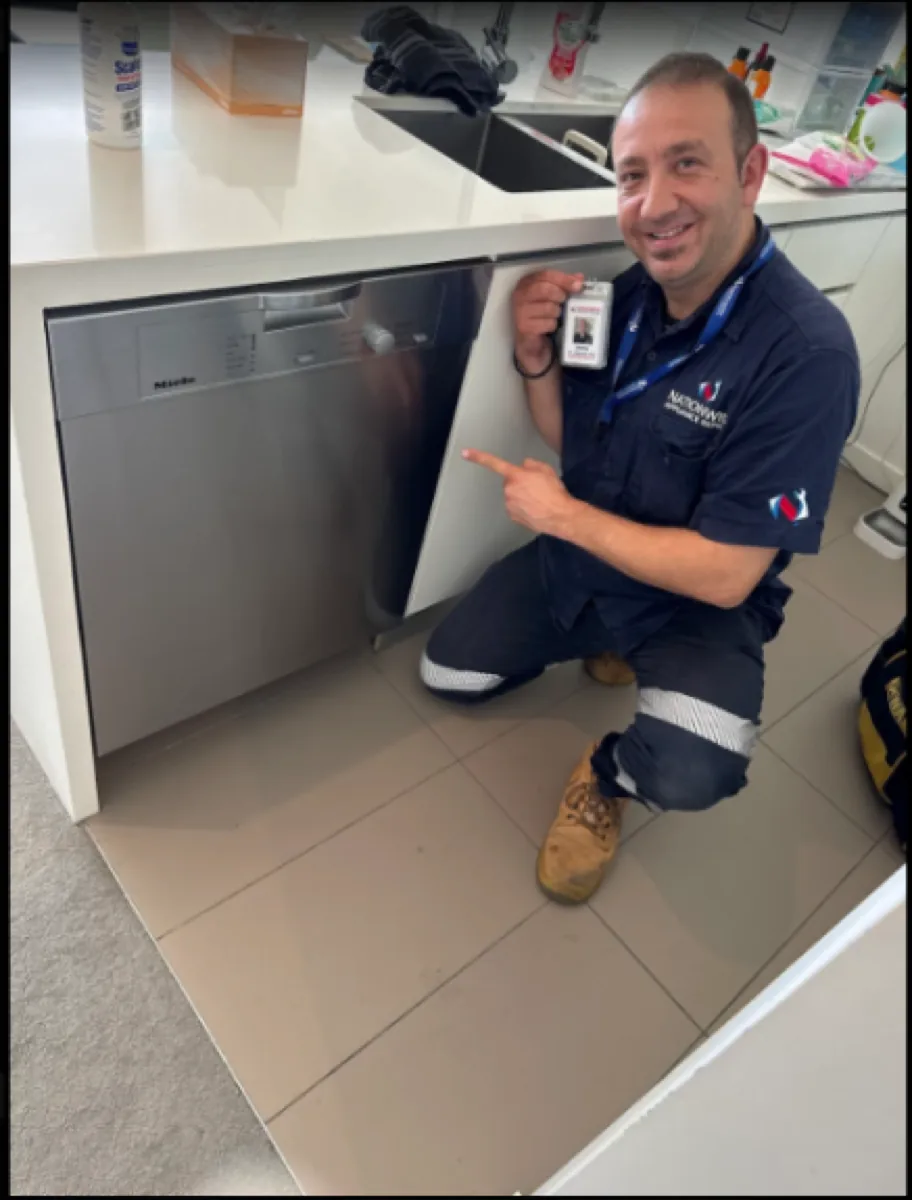
At National Appliance Repairs, we service appliances across Perth and manage parts sourcing for repairs every day. The geographic reality shapes how we operate, and we think it’s worth being transparent about it.
The Geography Problem
Most major appliance brands — Bosch, Fisher & Paykel, Electrolux, Samsung, LG, Miele — run their Australian parts distribution out of warehouses in Sydney, Melbourne, or both. When a technician in Brisbane or Melbourne needs a spare part, it’s often a same-day or next-day order. When the same order goes to Perth, air freight is the fast option; road freight is the default.
Road freight from Sydney or Melbourne to Perth typically takes four to seven business days for standard consignments. Add in any warehouse processing time, and a part that would arrive within 24 hours in Sydney can take a week or more to reach a Perth address.
Air freight is faster — one to two business days in most cases — but it’s significantly more expensive and is generally reserved for urgent orders or high-priority commercial accounts. For standard residential repairs, parts typically travel by road.
The result is a repair timeline that looks quite different from what customers in other capital cities experience. A fault that could be resolved in one or two days on the east coast may require a week to ten days in Perth purely due to transit time — even when the diagnosis is clear and the part is in stock.
When Parts Aren’t Stocked Locally
The secondary issue is local inventory. Parts distributors balance the cost of holding stock against demand. For a high-volume part — a common washing machine pump, a standard oven element — local Perth distributors are likely to carry stock. For less common parts, or for newer model-specific components, the order goes east.
Older or discontinued appliance models can be particularly difficult. If a manufacturer’s part is no longer actively distributed in Australia, it may need to come from an international warehouse or be sourced through a specialist. That adds further time.
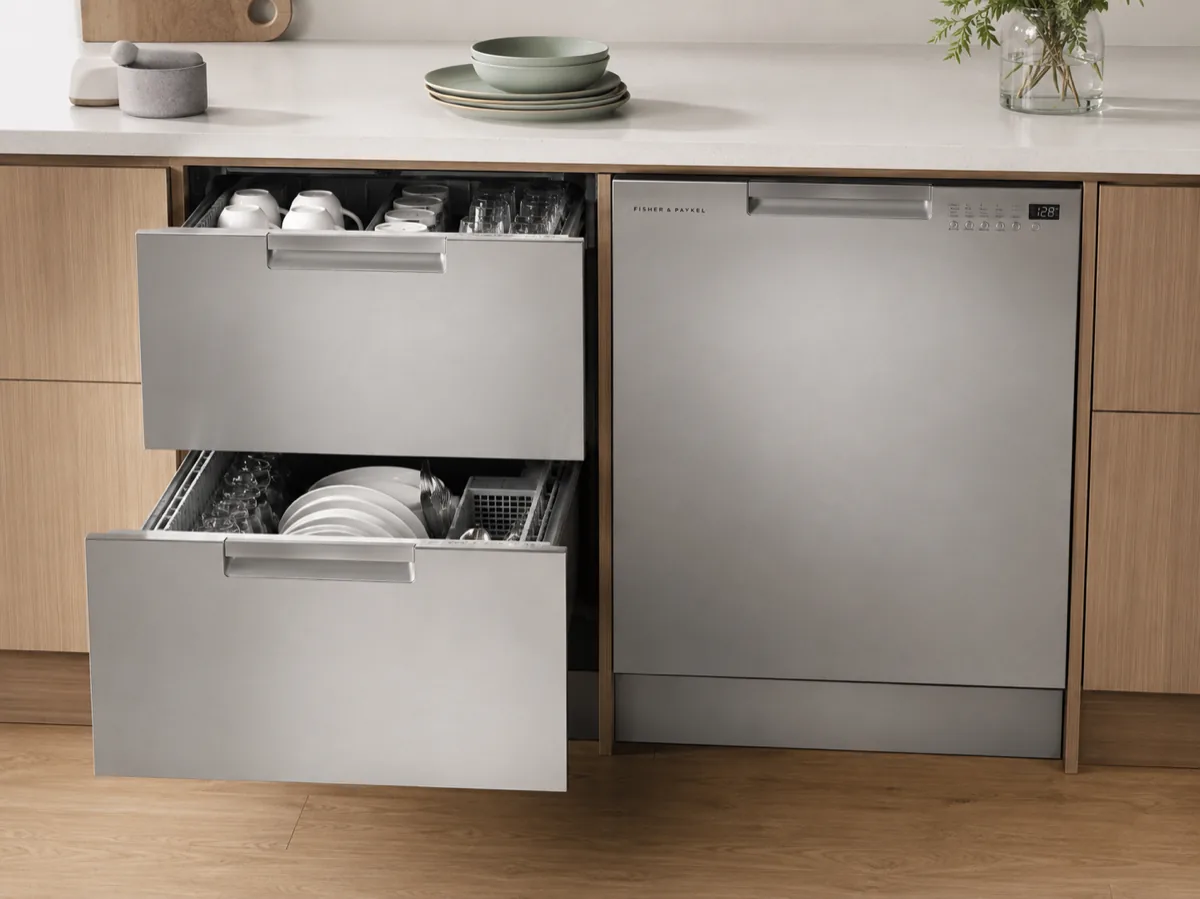
Appliance brands with strong local distribution networks in Perth — and Fisher & Paykel, which manufactures in New Zealand and has well-established Australian distribution, is a notable example — generally have better parts availability in WA than brands that distribute entirely from east coast hubs.
What Affects the Wait (and What Doesn’t)
| Factor | Effect on Wait Time |
|---|---|
| Standard vs air freight | Air freight cuts transit from 5–7 days to 1–2 days |
| Part in Perth local stock | Near same-day turnaround |
| Part shipped from east coast | Add 4–7 days standard freight |
| Discontinued or rare parts | Can extend to weeks; international sourcing may apply |
| Parts ordered Friday afternoon | Warehouse processing often resumes Monday; add 2 days |
| Multiple parts needed | Wait is determined by the last part to arrive |
The factors that genuinely shorten the wait are local stock and air freight. Everything else — the fault type, the brand, the model age — affects which category the part falls into.
How to Avoid the Longest Waits
Use a technician who carries common parts
The most effective way to avoid a wait is to work with a technician whose service van carries stock of the most commonly needed parts. For high-volume repairs — pump replacements, door seal replacements, standard heating elements — a well-stocked technician can complete the repair on the first visit. Ask when booking whether common parts for your appliance brand and type are typically carried on the van.
Describe the fault accurately when booking
The more precisely the fault is described, the better the chance a technician can identify the likely part needed and bring it to the first visit. “Won’t drain” is more useful than “not working.” “Makes a grinding noise on spin” is more useful than “has a problem.” Accurate fault descriptions let an experienced technician make a reasonable parts prediction before they arrive.
Avoid peak storm and holiday periods for non-urgent repairs
Parts warehouses, like all logistics operations, experience slower turnaround around public holidays and during periods of high volume. In Perth, delays compound further because each additional day of processing time in an east coast warehouse becomes proportionally more significant when combined with a multi-day freight leg.
Confirm parts availability before committing to a repair
For older appliances where the age and model might make parts harder to source, it’s worth asking your technician to confirm parts availability before proceeding. Discovering that a part has a three-week wait after the repair has been started is a poor outcome for everyone. A good technician will check availability upfront and discuss options if the timeline is problematic.
Consider the repair vs replace calculation realistically
For appliances that are eight to ten or more years old, a parts delay is also a useful moment to assess whether repair is the right call. If the part costs $250, freight adds $50, and the appliance is twelve years old with an expected remaining life of two to four years, the economics of a like-for-like replacement may be worth running. We’ll always be honest with you about that assessment rather than push a repair that doesn’t make sense.
What We Do to Minimise the Wait in Perth
When we take a booking for an appliance repair in Perth, our approach is:
- Diagnose thoroughly on the first visit — understanding the exact fault means ordering the right part the first time, avoiding secondary delays from incorrect orders
- Carry high-turnover Perth parts stock on our vans — for the most common repair types we see in Perth, parts travel with the technician
- Use air freight for urgent repairs — for appliances where the delay causes genuine hardship (a primary fridge, a washing machine in a household with young children), we can escalate the freight priority
- Source locally where possible — Perth has local parts distributors for many common brands, and we use them
FAQ
Why is my appliance repair taking longer in Perth than a friend in Sydney experienced?
Almost certainly a parts transit issue. Most appliance parts warehouses are on the east coast. What takes one to two days to reach Sydney from a Melbourne warehouse takes five to seven days by road freight to Perth. It’s not the fault of the technician or the repair company — it’s the geography.
Can I speed up the repair by paying for express freight?
Yes, in most cases. Air freight from Sydney or Melbourne to Perth takes one to two business days rather than five to seven. There will be a freight cost associated with this, which we’ll confirm before proceeding. For urgent situations, it’s usually a worthwhile expense.
What if the part for my appliance is no longer made?
Discontinued parts can sometimes be sourced through specialist suppliers in Australia or internationally, or reconditioned parts may be available. In some cases, a comparable alternative part can be used. Your technician should advise on availability and any implications of using a non-original part.
Does the brand of appliance affect how quickly parts arrive in Perth?
Yes. Brands with strong Australian distribution networks — including those with Perth-based distributors — have better local availability. Brands that distribute exclusively from east coast hubs will always face the freight delay. Fisher & Paykel, for example, has well-established Australian distribution that often serves Perth faster than some imported European brands.
Is it worth buying a local brand to make future repairs easier in Perth?
Parts availability and servicing support are worth factoring into any appliance purchase in WA, especially for premium or specialist brands. If local servicing support and parts turnaround matter to you, ask the retailer about the brand’s local distribution before buying.
Conclusion
Parts delays in Perth are a function of geography, not inefficiency. The distance is real, and freight timelines reflect it. The most effective mitigation is working with a technician who carries common parts, describes the fault precisely, and plans the repair with the freight reality in mind.
We at National Appliance Repairs service all major appliance brands across Perth. Our technicians carry stocked vans and know the parts landscape in WA. Call 1300 434 380 to book, and we’ll be upfront about likely wait times before work begins.
Call Us:
or leave a message using the form below