
Gas Cooktop Installation
Licensed Gas Connection | Leak-Tested | Compliance Certificate
Connecting a gas cooktop is licensed work in every Australian state and territory. It has to meet AS/NZS 5601, the gas installation standard, and it has to be leak-tested and certified before anyone cooks on it. There is no version of this job that is fine to do yourself.
National Appliance Repairs installs gas cooktops across Melbourne, Sydney, Brisbane, Adelaide and Perth as part of our appliance installation service, with the gas connection made by a licensed gasfitter and certified.
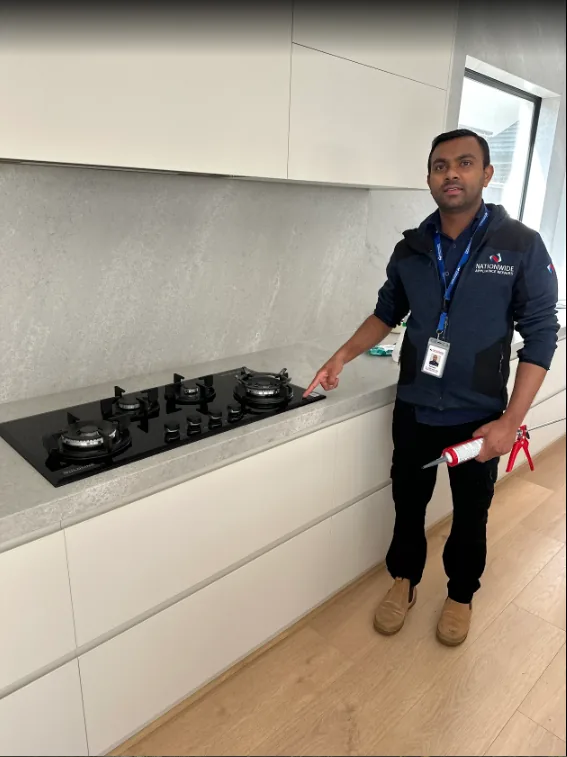

Licensed Gas Connection
Every connection made by a licensed gasfitter, to AS/NZS 5601.

Leak-Tested
The connection is leak-tested before the cooktop is used.

Compliance Certificate
You receive the gas compliance certificate for the work.
What’s Included
Every gas cooktop installation covers the same ground, whether it is a straight replacement or a cooktop going into a new benchtop.
What’s included:
- Checking the benchtop cut-out against the new cooktop’s dimensions
- Confirming your gas type and that the cooktop is configured for it
- Checking the clearances to the rangehood, cabinetry and side walls
- Fitting and sealing the cooktop in the benchtop
- Connecting the gas supply and leak-testing the connection
- Connecting power for the electronic ignition, where the cooktop needs it
- Testing every burner and the ignition
- A gas compliance certificate
- Removing your old cooktop
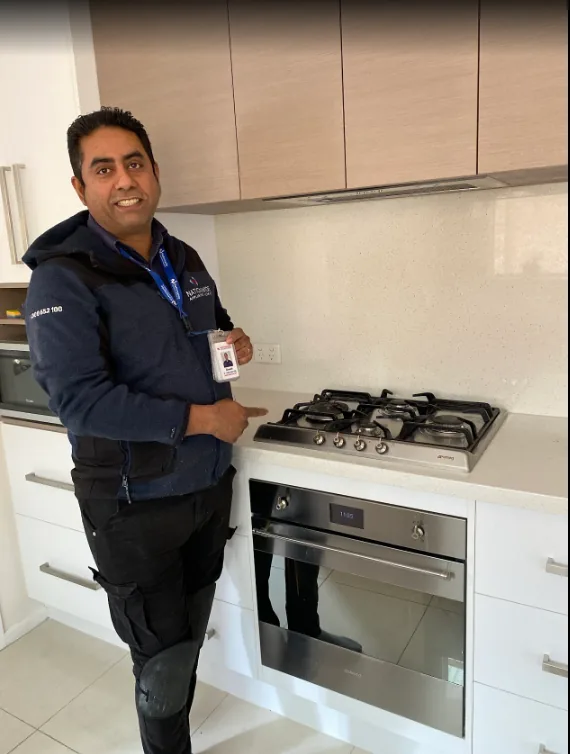
Gas Supply
Natural Gas or LPG
A gas cooktop has to be configured for the gas it burns. Natural gas and LPG are supplied at different pressures and burn differently, so the cooktop’s injectors and settings must match your supply.

Check the data plate
Many cooktops ship configured for natural gas, with conversion parts for LPG. Tell us which gas you have when you book.

Running on the wrong gas
A cooktop on the wrong configuration produces weak or oversized flames, yellow flames, sooting on pans, and incomplete combustion.
Clearances
AS/NZS 5601.1 sets minimum clearances around a gas cooktop, and the 2022 edition raised the overhead clearance for new installations from 30 March 2023.
| Clearance | Minimum |
|---|---|
| To a rangehood, new cooktop in a new or renovated kitchen | 650mm, measured from the top of the trivet |
| To a rangehood, cooktop replaced in an existing kitchen | 600mm, unless the manufacturer specifies more |
| To an exhaust fan | 750mm |
| To any overhead surface | Never less than 450mm |
| To side walls and splashbacks | The standard’s set horizontal distance, or the surface must be protected |
This catches people out when they renovate. If your kitchen is getting new cabinetry and a new rangehood, the 650mm clearance applies even if the gas point has not moved. A rangehood that was compliant at 600mm may need to go up.
Two rules sit on top of those numbers:
- Where the cooktop’s or rangehood’s installation instructions specify a greater clearance, the greater figure applies
- Combustible surfaces inside the clearance zones must be protected
The Compliance Certificate and the Cut-Out
Every gas installation, replacement or alteration should come with a gas compliance certificate from the gasfitter. It records that the work meets the standard and that the connection has been tested. Keep it with the cooktop’s manual and receipt — you may need it for a warranty claim, an insurance claim, or when you sell. If someone offers to connect a gas cooktop without one, that is your signal to stop.
Gas cooktops also vary in cut-out size between brands and models, and between 60cm, 70cm, 75cm and 90cm widths. A replacement that needs a larger cut-out means cutting the benchtop, which on stone, engineered stone or solid timber is specialist work.
Before you buy:
- Check the new cooktop’s cut-out dimensions against your existing opening
- Confirm whether your supply is natural gas or LPG, and that the cooktop matches
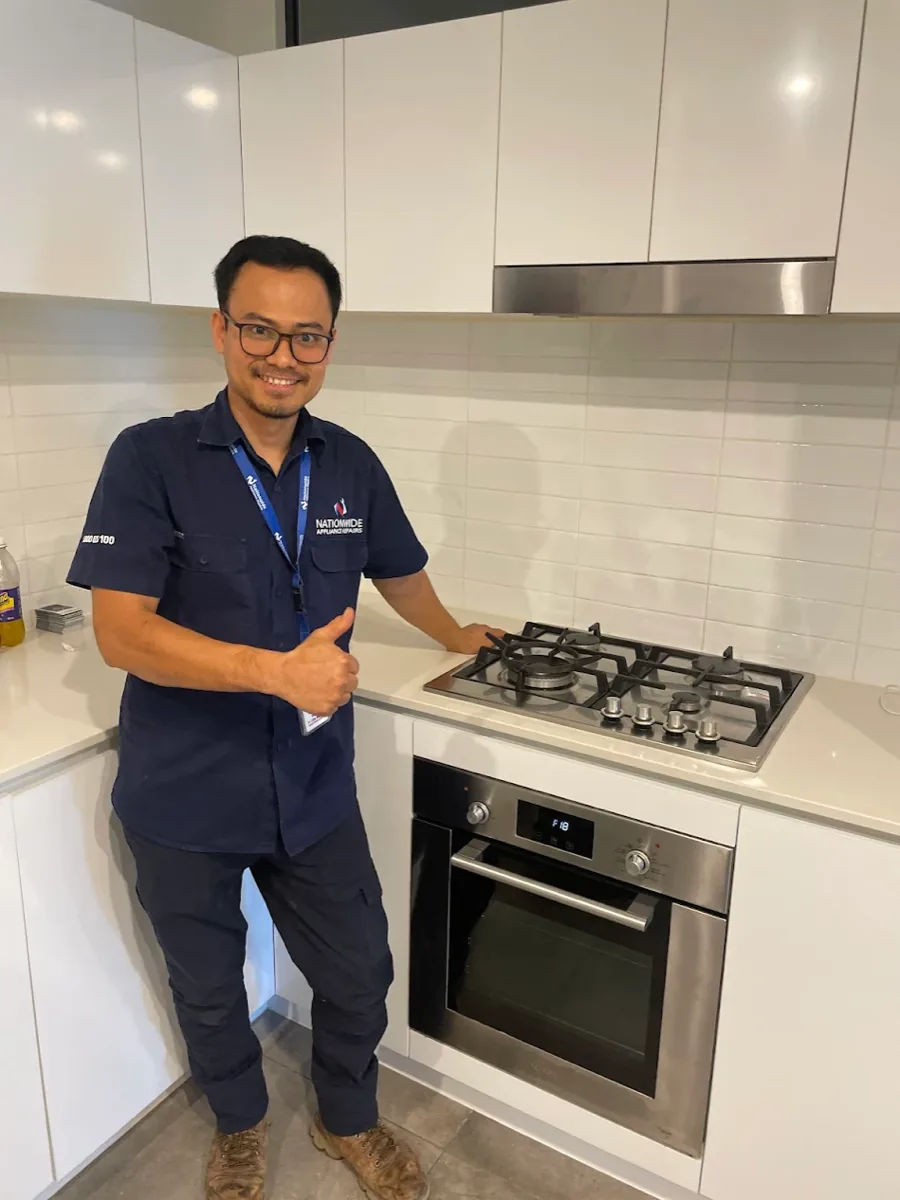
Common Faults
Installation Mistakes We Fix
These are the faults we are called out to repair that started at installation.
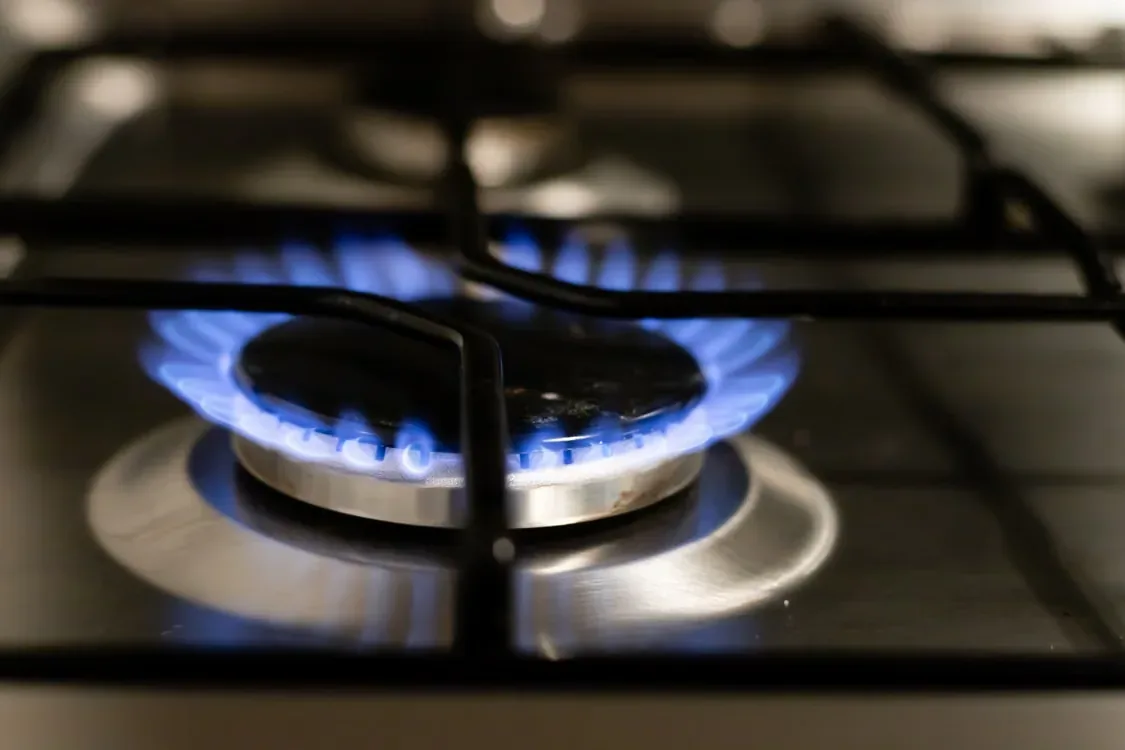

Wrong gas configuration
Poor flames and sooting from day one.
Rangehood too low
Compliant under the old standard, non-compliant after a renovation.
Not sealed in the cut-out
Spills run under the cooktop into the cabinet below.
No power for the ignition
Many cooktops need a power point for the electronic ignition, and it gets missed.
No certificate
The work may be fine, but there is no record that it was tested.
Switching From Gas to Induction
More Australian households are replacing gas cooktops with induction. That takes two trades. A licensed gasfitter disconnects and caps the gas supply safely. A licensed electrician installs a suitable dedicated circuit for the induction cooktop, after checking your switchboard has the capacity.
Induction cooktops also need airflow beneath them, which matters if there is an oven underneath.
What the switch involves:
- A licensed gasfitter to disconnect and cap the gas supply
- A licensed electrician to install a dedicated circuit, after checking switchboard capacity
Client Testimonials
Thousands of Australian families trust National Appliance Repairs. Here's why.
Households and property managers across five capitals trust National Appliance Repairs with their kitchens. Here is what they say.



FAQS
Gas Cooktop Installation Questions
Do I need a licensed gasfitter to install a gas cooktop?
Yes. Gas connection is licensed work across Australia and must meet AS/NZS 5601. It must be leak-tested and come with a compliance certificate.
How high does the rangehood need to be above a gas cooktop?
For a new installation in a new or renovated kitchen, at least 650mm from the top of the trivet. When replacing a cooktop in an existing kitchen, at least 600mm. If the manufacturer specifies more, the greater clearance applies.
Can I use an LPG cooktop on natural gas?
Only if it is converted to suit. A cooktop must be configured for the gas it runs on, and the conversion is part of the gasfitting work.
Why does my gas cooktop need a power point?
For the electronic ignition. Many gas cooktops need mains power to light the burners, so a power point needs to be accessible under the bench.
Do you take the old cooktop away?
Yes. We remove your old cooktop when we install the new one.
Installations Process
Gas Cooktop, Oven and Dishwasher Installation
Book your installation
Call 1300 434 380 or enquire online. Our live team answers in about 30 seconds. Tell us what you are installing, the model number if you have it, and what it is replacing.
Check the site
Before anything is fitted, we check what the new appliance needs against what is already there: the cabinet cut-out, clearances, the electrical supply, the gas type and connection, and the water and drainage. Most installation problems are decided at this step.
Agree the price
You get a clear quote covering the installation and anything the site needs to accept the new appliance. Nothing proceeds without your approval.
Install and connect
The appliance is fitted and levelled to the manufacturer’s specifications. Gas and hardwired electrical connections are made by appropriately licensed trades and certified.
Test, hand over and remove the old one
We test the appliance, walk you through it, hand over your compliance documentation, and take the old appliance away.
Contact us
Book Your Gas Cooktop Installation
Tell us the cooktop model, your gas type, and what it is replacing.
Call us: 1300 434 380

Old Cooktop Removed
*subject to availability
Leak-tested and certified

Servicing Australia since 2009
Call Us:
or leave a message using the form below
Call Us:
or leave a message using the form below